
Oxygen (2021)
Story overview
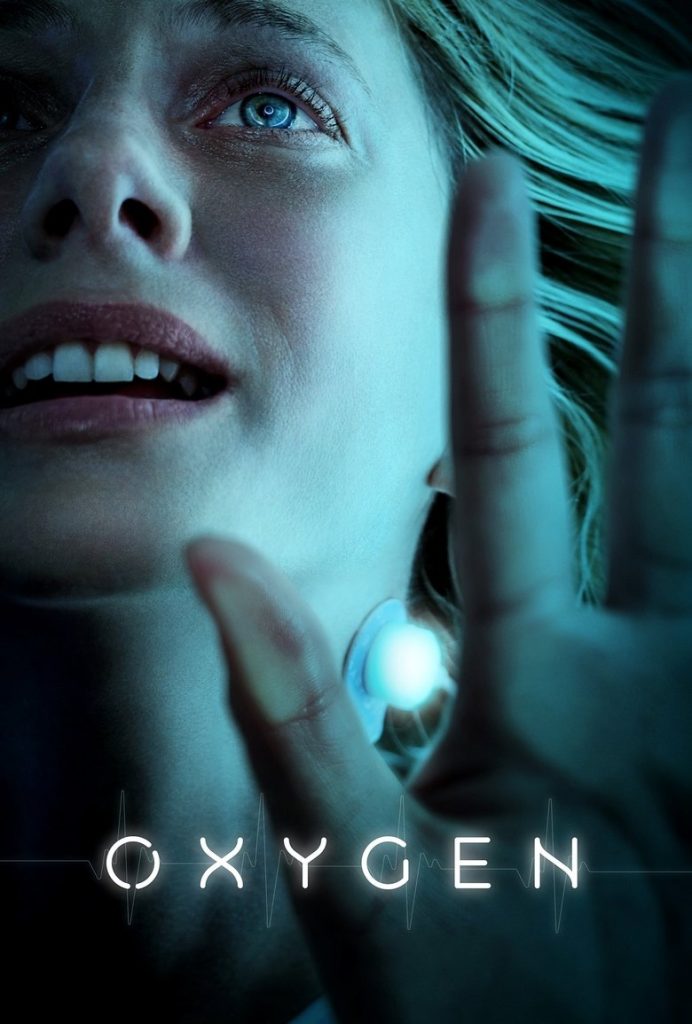
A woman named Elizabeth Hansen awakens inside a high-tech cryogenic pod with no memory of how she arrived there. As she struggles to piece together her identity and circumstances, she discovers her oxygen supply is rapidly depleting. With only an AI interface named MILO for assistance, she must solve the mystery of her confinement and find a way to escape before she suffocates. The film combines claustrophobic tension with psychological thriller elements as Elizabeth confronts fragmented memories and unsettling truths about her past.
Parent Guide
A tense psychological thriller set almost entirely within a cryogenic chamber, focusing on a woman's race against time as her oxygen depletes. While not graphically violent, the film creates sustained anxiety through its premise and emotional intensity.
Content breakdown
No physical combat or weapons violence. Primary peril comes from the constant threat of suffocation as oxygen levels drop. Several medical procedures shown (injections, intubation) in clinical but tense contexts. One scene shows a character experiencing extreme physical distress from oxygen deprivation.
Intense psychological horror elements including claustrophobia, memory loss, and existential dread. The confined space and ticking clock create sustained tension. Disturbing revelations about the protagonist's past and situation. Medical imagery and the constant threat of death may be unsettling.
Minimal strong language. Some tense exclamations in French (subtitled) but nothing extreme. The focus is on psychological tension rather than verbal conflict.
No sexual content or nudity. The protagonist wears medical garments throughout. The film maintains a clinical, survival-focused tone.
No depiction of alcohol, drugs, or tobacco use. Medical substances (sedatives, oxygen) are administered in clinical contexts as part of the plot.
High emotional intensity throughout as the protagonist faces imminent death, memory loss, and psychological distress. Themes of isolation, mortality, and identity crisis create a consistently tense atmosphere. Several emotional breakdowns and moments of despair.
Parent tips
This French sci-fi thriller creates intense psychological tension through its confined setting and life-or-death premise. While there's minimal graphic violence, the constant threat of suffocation and psychological distress may be overwhelming for younger viewers. The film explores themes of memory loss, identity, and mortality in a way that could prompt meaningful discussions with teens about medical ethics, technology, and human resilience. Parents should be prepared for scenes of medical procedures, emotional breakdowns, and existential dread.
Parent chat guide
Parent follow-up questions
—
- Why was the lady trapped in the box?
- Was the computer friend helping or hurting her?
- How did she feel when she couldn't remember things?
- What clues helped Elizabeth solve the mystery of her situation?
- How did the limited oxygen supply create tension throughout the film?
- What do you think the film is saying about human memory and identity?
- How does the film use its single-location setting to explore psychological themes?
- What ethical questions does the film raise about medical technology and consent?
- How does Elizabeth's journey reflect broader human experiences of confinement and survival?
🎭 Story Kernel
Oxygen isn't really about a woman trapped in a cryogenic pod—it's about the terrifying fluidity of identity in a post-human age. The core theme explores whether consciousness alone constitutes personhood when divorced from memory and physical existence. Elizabeth's desperate struggle to survive becomes a philosophical battleground: is she fighting for her biological life or for the right to exist as a unique consciousness? The film suggests that in a future where memories can be manufactured and bodies are disposable containers, the very concept of 'self' becomes the ultimate luxury. The driving force isn't survival instinct but the human need for narrative coherence—she'd rather die as someone than live as no one.
🎬 Visual Aesthetics
The film masters claustrophobia through its visual language. Director Alexandre Aja uses extreme close-ups that fill the frame with Mélanie Laurent's face, making her panic palpable. The sterile blue-white lighting of the cryo-chamber creates a clinical, inhuman atmosphere that contrasts sharply with the warm, organic flashbacks. Camera movements are deliberately restricted—mostly tight pans and zooms within the pod—mirroring Elizabeth's physical confinement. The interface displays use clean, futuristic typography that feels both advanced and impersonal. Most striking is how the pod's medical instruments become both tools of torture and salvation, visually representing technology's dual nature as both prison and lifeline.
🔍 Details & Easter Eggs
💡 Behind the Scenes
Mélanie Laurent spent most of the 17-day shoot confined in an actual cryopod replica that was so airtight, the crew had to regularly open it to prevent oxygen depletion. Director Alexandre Aja intentionally avoided green screens, using practical effects and a rotating pod set to create authentic claustrophobia. The film was shot during COVID-19 lockdowns, which influenced its themes of isolation and respiratory anxiety. Laurent prepared by studying accounts of sensory deprivation and interviewing people who experienced memory loss, wanting to capture the disorientation authentically rather than dramatically.
Where to watch
Choose region:
- Netflix
Trailer
Trailer playback is unavailable in your region.