
Pachamama (2018)
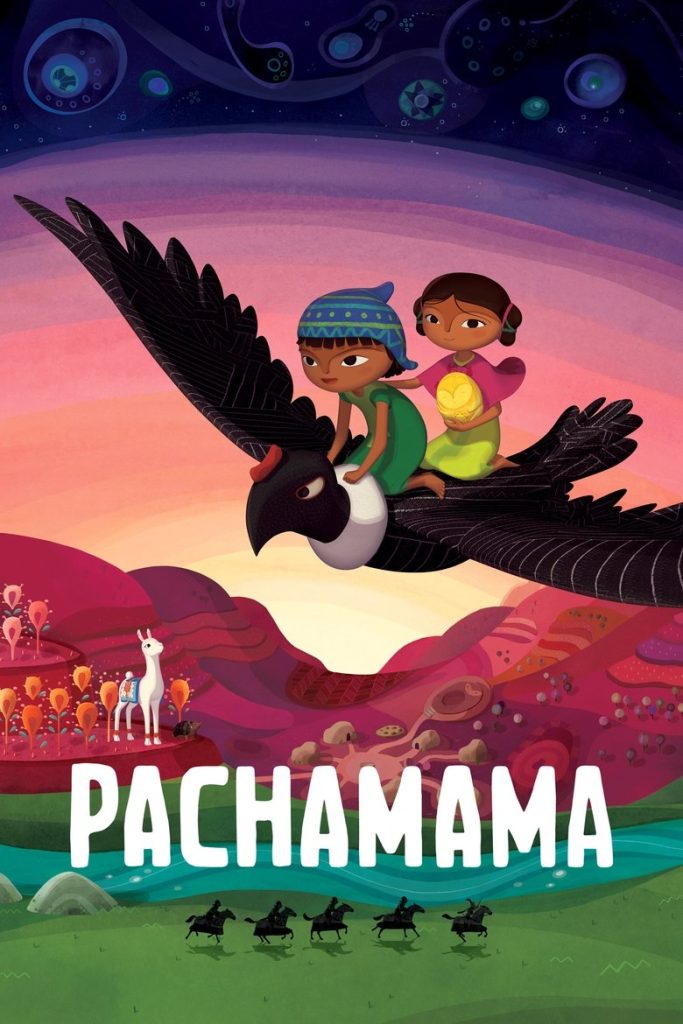
Story overview
Pachamama is a 2018 animated adventure film set in the Andes Mountains. It follows a young boy from a remote village who dreams of becoming a shaman. The story explores themes of cultural heritage, spiritual connection to nature, and personal growth through a family-friendly fantasy lens.
Parent Guide
A gentle animated adventure with cultural and spiritual themes suitable for most children with parental guidance.
Content breakdown
Some adventure sequences with mild peril, such as characters facing natural challenges.
Mildly intense moments related to spiritual visions or cultural rituals that might be unfamiliar to some children.
No concerning language noted.
No sexual content or nudity.
No substance use depicted.
Mild emotional moments related to personal growth and cultural connection.
Parent tips
This film offers a gentle introduction to indigenous Andean culture and spirituality through the eyes of a child protagonist. The PG rating reflects mild adventure elements and cultural themes that younger children might need context for. Parents should be prepared to discuss different cultural beliefs and traditions with their children after viewing.
Parent chat guide
Parent follow-up questions
- What was your favorite part of the movie?
- What do you think the mountains look like?
- How do you think the boy felt when he was dreaming?
- What colors did you see in the movie?
- Would you like to visit a place like that?
- What does it mean to have a dream or goal?
- How do you think living in the mountains might be different from where we live?
- What did you learn about how people can respect nature?
- Why do you think stories from different cultures are important?
- How did the characters show they cared about their home?
- What cultural traditions did you notice in the film?
- How does the film show the connection between people and their environment?
- What challenges might someone face when pursuing their dreams?
- How do different cultures understand nature differently?
- What values did the characters demonstrate throughout the story?
- How does the film represent indigenous perspectives on spirituality?
- What commentary does the film make about cultural preservation?
- How are themes of identity and belonging explored?
- What cinematic techniques help convey the cultural setting?
- How might this story relate to contemporary environmental concerns?
🎭 Story Kernel
At its core, 'Pachamama' is about cultural resistance through ancestral memory. The film expresses how indigenous identity survives not through violent rebellion but through the quiet transmission of tradition from one generation to the next. Young Tepulpai's journey to recover the village's golden Huaca isn't just an adventure—it's an initiation into becoming a guardian of his people's spiritual heritage. The Spanish conquest serves as backdrop to the real conflict: whether Tepulpai will embrace his role as cultural inheritor. The characters are driven by different relationships to the land—the Incas see it as administrative territory, the Spanish as plunder, but the villagers experience it as living mother. The film's true tension lies in whether sacred knowledge can withstand the weight of empire.
🎬 Visual Aesthetics
The animation employs a distinctive textured, almost tapestry-like quality that visually roots the story in Andean textile traditions. Earth tones dominate—ochres, browns, and terracottas—creating warmth against the cold metallic blues of Spanish armor. Camera movements often mimic the rolling Andean landscape, with sweeping pans that follow mountain contours rather than conventional cinematic framing. The Huaca's golden glow isn't just treasure—it's visualized spiritual energy, pulsing with organic light patterns distinct from the harsh, angular reflections of Spanish gold. Action sequences use exaggerated perspectives that evoke pre-Columbian pottery designs, with characters appearing simultaneously in profile and three-quarter view during key moments.
🔍 Details & Easter Eggs
💡 Behind the Scenes
The film's directors spent months in Bolivian and Peruvian communities recording traditional music and consulting with indigenous elders about spiritual practices. Voice actor Andrea Santamaria (Naïra) is actually Quechua-speaking and contributed to dialogue authenticity. Animation was created using a hybrid technique combining 3D modeling with hand-painted texture layers to achieve that distinctive woven look. The character designs were based on archaeological findings from the period rather than generic 'ancient' stereotypes. Several scenes were storyboarded using actual khipu (Andean knot-writing) patterns as compositional guides.
Where to watch
Choose region:
- Netflix
- Netflix Standard with Ads
Trailer
Trailer playback is unavailable in your region.