
Paradise Lost: The Child Murders at Robin Hood Hills (1996)
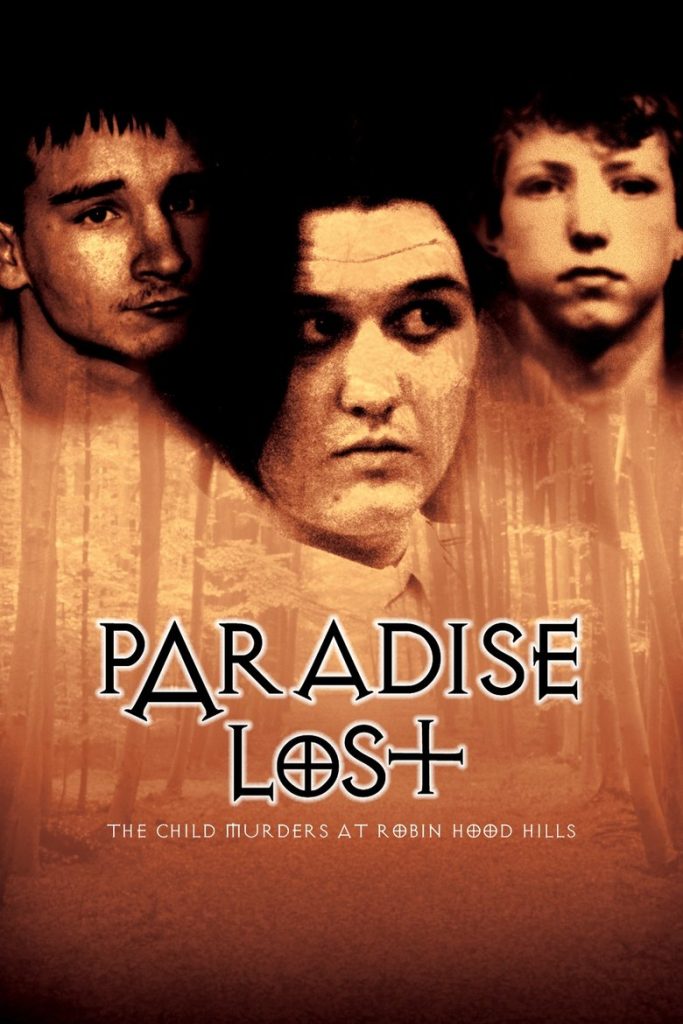
Story overview
This documentary examines the 1993 murders of three young boys in West Memphis, Arkansas, and the subsequent trials of three teenagers accused of the crimes. It explores the investigation, community reactions, and legal proceedings surrounding this tragic case. The film raises questions about justice, prejudice, and the handling of such sensitive criminal matters.
Parent Guide
This documentary examines a disturbing real-life crime case involving child victims and controversial legal proceedings. Due to the serious nature of the subject matter, it's most appropriate for mature audiences who can handle discussions of violent crime and legal injustice.
Content breakdown
The documentary discusses the murders of three children, though it doesn't show graphic violence. Descriptions and discussions of the crimes and their aftermath are central to the film.
The subject matter involves child murders and wrongful accusations, which many viewers will find deeply disturbing. The film explores community fear, grief, and legal controversies surrounding tragic events.
May include strong language in interviews or courtroom footage given the emotional nature of the subject. Specific language content cannot be confirmed without viewing.
No sexual content or nudity is indicated by the documentary nature of the film and its subject matter.
No substance use is indicated as a focus of this crime documentary.
High emotional intensity due to discussions of child victims, wrongful accusations, legal battles, and community trauma. The subject matter is inherently distressing.
Parent tips
This documentary deals with disturbing real-life crimes involving child victims, which may be emotionally challenging for viewers of all ages. The content includes discussions of murder, legal proceedings, and community trauma that could be particularly upsetting for younger audiences or those sensitive to such topics. Parents should consider their child's maturity level and ability to handle serious crime-related content before viewing.
Parent chat guide
Parent follow-up questions
- How do we stay safe when playing outside?
- Who are the people who help keep us safe in our community?
- What should we do if we feel scared or worried about something?
- What are some ways communities work together during difficult times?
- Why is it important to be fair to everyone, even when people are upset?
- How can we show kindness to people who are going through hard times?
- What makes a criminal investigation fair and thorough?
- How might people's beliefs or prejudices affect their judgment in serious situations?
- What responsibilities do communities have when terrible events happen?
- What factors should influence how society handles high-profile criminal cases?
- How can media coverage impact public perception of legal proceedings?
- What ethical considerations arise when documenting real-life tragedies for public consumption?
🎭 Story Kernel
The film is less about solving a crime and more about dissecting a social contagion. It expresses how fear, prejudice, and a desperate need for closure can warp an entire community's sense of justice. The characters are driven by primal forces: the grieving families by a need for vengeance that morphs into certainty, the accused teenagers by sheer bewilderment at being cast as satanic archetypes, and the justice system by pressure to provide a narrative, any narrative, to quell the panic. The real horror isn't occultism, but the spectacle of due process being sacrificed to appease collective trauma.
🎬 Visual Aesthetics
The visual language is starkly observational, employing a vérité style that feels invasive yet necessary. The camera lingers on haunted faces in cramped courtrooms and the bleak, ordinary landscapes of West Memphis, creating a claustrophobic atmosphere. There's no dramatic scoring or stylized reenactments; the power comes from unadorned interviews and courtroom footage. The color palette is drab—muted greys, browns, and institutional greens—mirroring the grim reality and stripping away any sensationalism. This aesthetic forces the viewer to sit in the uncomfortable silence of a profound miscarriage of justice.
🔍 Details & Easter Eggs
💡 Behind the Scenes
The documentary was shot over several years, with filmmakers Joe Berlinger and Bruce Sinofsky gaining unprecedented access. They initially intended to make a film about the murders but ended up documenting the trial itself, becoming de facto investigators. The infamous 'Mr. Bojangles,' a bloodstained man seen near the crime scene, was a piece of evidence the defense desperately pursued but the film crew independently discovered was a transient never properly investigated by police. The project's intimacy is due to the trust built with the defendants' families, who felt abandoned by the system.
Where to watch
Choose region:
- HBO Max
- Amazon Video
- Apple TV
- Google Play Movies
- YouTube
Trailer
Trailer playback is unavailable in your region.