
Paris, Texas (1984)
Story overview
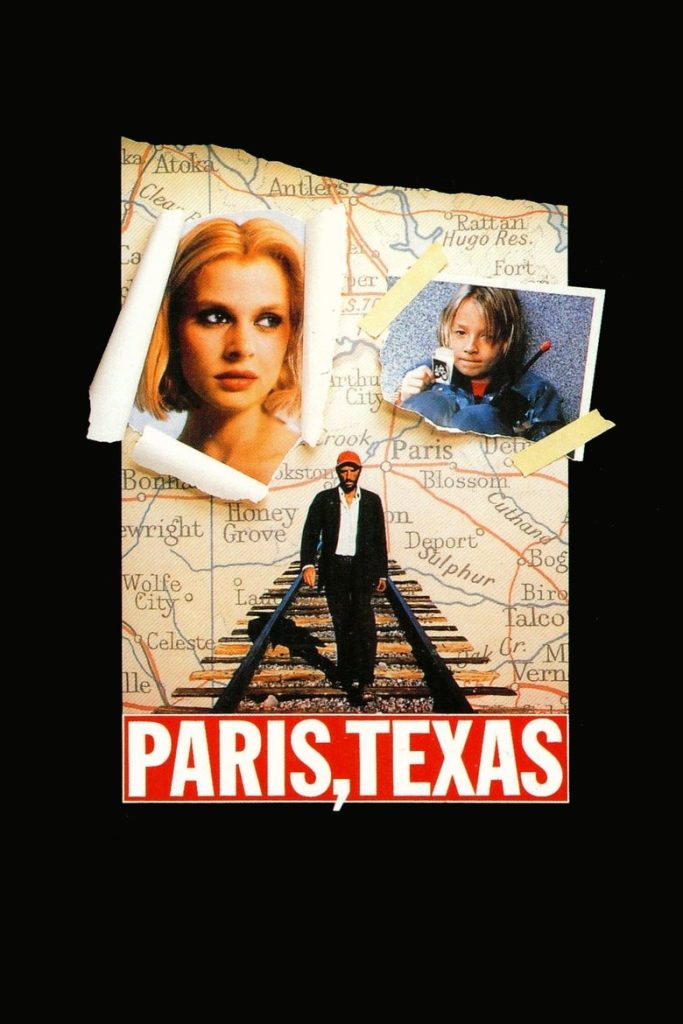
Paris, Texas is a 1984 drama film directed by Wim Wenders. The story follows Travis, a man who emerges from the desert with amnesia after disappearing four years earlier. His brother finds him and helps him reconnect with his past, including his estranged wife and young son. The film explores themes of family, memory, loss, and redemption through slow-paced, atmospheric storytelling set against the American Southwest landscape.
Parent Guide
Paris, Texas is an artistic drama with mature themes of family breakdown, abandonment, and emotional recovery. While not graphically violent or explicit, its emotional intensity and complex themes make it most appropriate for mature teenagers. The R rating primarily reflects thematic elements rather than graphic content.
Content breakdown
No physical violence shown. Some tense emotional confrontations. One scene shows a character with minor facial injuries from a fall. The peril is primarily emotional rather than physical.
Emotionally disturbing themes of family abandonment, parental neglect, and marital breakdown. The peep show scene where a man watches his estranged wife through one-way glass is psychologically intense. The desert wandering scenes create a sense of existential loneliness that may unsettle sensitive viewers.
Occasional mild profanity (hell, damn). No strong or frequent swearing. Language is generally restrained and appropriate to the dramatic context.
No explicit nudity or sexual acts. The peep show scene involves sexual themes as a man watches women (including his estranged wife) in a private booth. Conversation about sexual relationships and infidelity. Some sensual kissing. Thematic treatment of sexuality is mature but not graphic.
Social drinking in bars and restaurants. Characters smoke cigarettes regularly. No depiction of intoxication or substance abuse as a central theme.
High emotional intensity throughout. Themes of abandonment, loss, guilt, and family disintegration. The reunion scenes between father and son, and between estranged spouses, are emotionally charged. The film's slow pace amplifies the emotional weight. May be overwhelming for younger or sensitive viewers.
Parent tips
This R-rated drama deals with mature themes of family breakdown, abandonment, and emotional trauma. The slow pacing and contemplative nature may challenge younger viewers' attention spans. Parents should be prepared to discuss complex emotional issues and the consequences of parental absence. The film's artistic merit makes it more suitable for mature teens interested in cinema as an art form.
Parent chat guide
Parent follow-up questions
—
—
- Why do you think Travis left his family?
- How do you think Hunter felt when his dad disappeared?
- What makes a family strong?
- How does the film use landscape and environment to reflect emotional states?
- What commentary does the film make about American culture and the 'road' myth?
- How does the peep show scene comment on intimacy and connection?
- What does the ending suggest about the possibility of healing from trauma?
🎭 Story Kernel
The film is less about a family reunion than an autopsy of the American dream's failure. Travis isn't just searching for his wife; he's confronting the ghost of his own toxic masculinity and the emotional desert it created. His journey from literal wasteland to the neon purgatory of Houston peep shows charts the distance between the myth of the rugged individual and the reality of profound isolation. The central drive isn't redemption, but the painful, necessary act of witnessing the wreckage he caused, then deliberately removing himself from the picture to allow a healthier future for his son and ex-wife. It's a story of love expressed through self-erasure.
🎬 Visual Aesthetics
Wim Wenders and Robby Müller craft a visual language of profound dislocation. The opening shots of Travis in the vast, red Texan desert establish him as a speck against an indifferent landscape—a man literally emerging from America's mythological heartland, lost. The camera often holds characters in static, framed shots within windows, doorways, and the iconic peep-show glass, visually trapping them in their emotional prisons. The palette shifts from the burnt ochres and blues of the desert to the sickly, artificial neon greens and pinks of Houston's underbelly, mirroring Travis's journey from natural desolation to man-made alienation. The long, unbroken take of Travis's monologue is the film's brutal, visual core.
🔍 Details & Easter Eggs
💡 Behind the Scenes
The screenplay was written by Sam Shepard and L.M. Kit Carson, with Shepard drawing on his own themes of rootless American masculinity. The iconic score by Ry Cooder was largely improvised; his melancholic slide guitar motifs were composed directly in response to the edited footage. Harry Dean Stanton, in his career-defining role, reportedly drew on his own feelings of loneliness and detachment. The film's famous final shot, of Travis walking away down the highway at dawn, was captured in a single, fleeting take as the sun rose, lending it an unrehearsed, ephemeral quality.
Where to watch
Choose region:
- HBO Max
- HBO Max Amazon Channel
- Criterion Channel
- Shout! Factory TV
- Tubi TV
- Amazon Video
- Apple TV Store
- Fandango At Home
Trailer
Trailer playback is unavailable in your region.