Passport (2022)
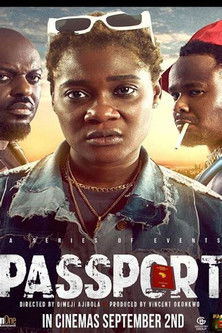
Story overview
Passport is a 2022 drama-comedy-crime film that follows characters navigating unexpected situations involving travel documents and legal boundaries. The story blends humorous moments with tense scenarios as ordinary people get caught up in criminal activities related to passport issues. While maintaining a lighthearted tone at times, the film explores themes of identity, bureaucracy, and the consequences of crossing legal lines.
Parent Guide
A lighthearted crime comedy that deals with passport-related legal issues, suitable for older children with parental guidance to discuss the serious aspects presented humorously.
Content breakdown
May include tense situations related to criminal activities but likely without graphic violence.
Some suspenseful moments as characters navigate legal troubles, but nothing overtly frightening.
May include occasional mild language consistent with crime-comedy genres.
No sexual content expected given the genres and premise.
Possible social drinking scenes typical in adult-oriented comedies.
Characters experience stress and anxiety related to legal situations, balanced with comedic relief.
Parent tips
This film combines comedy with crime elements, which may create mixed messages for younger viewers about serious legal matters. Parents should be aware that while presented with humor, the central premise involves criminal activity that could normalize illegal behavior. Consider watching with children to discuss the difference between fictional entertainment and real-world consequences of similar actions.
The film's tone shifts between comedic and dramatic moments, which might confuse younger children about the seriousness of the situations depicted. Parents may want to preview the film or watch alongside their children to provide context about the legal implications of passport-related crimes. This approach can help children understand that while the film presents these scenarios entertainingly, such actions have serious real-world consequences.
Parent chat guide
Consider exploring themes of identity and legal responsibility that the film touches upon. Talk about why passports and travel documents are important, and what happens when people misuse them. This can lead to broader discussions about following rules, respecting laws, and understanding why certain systems exist to protect people.
Parent follow-up questions
- What was your favorite funny part in the movie?
- Did you see any characters being kind to each other?
- What colors or places did you notice in the movie?
- How did the music make you feel during different parts?
- What would you do if you found something that didn't belong to you?
- What made some parts of the movie funny while other parts seemed serious?
- Why do you think passports are important for traveling?
- How did the characters solve their problems in the story?
- What would you do if you saw someone doing something wrong with important documents?
- What lesson do you think the movie was trying to teach?
- How does the movie balance comedy with crime elements? Does this work effectively?
- What are the real-world consequences of passport-related crimes that the movie might not show?
- How do the characters' motivations drive the plot forward?
- What does the film suggest about identity and how we prove who we are?
- If you could change one thing about how the story handles legal issues, what would it be and why?
- How does the film use genre blending (drama, comedy, crime) to comment on bureaucratic systems?
- What ethical questions does the film raise about identity documentation and personal freedom?
- How might the film's treatment of crime differ from reality, and what effect does this have on viewers?
- What social or political themes does the film indirectly address through its premise?
- How does the film balance entertainment value with responsible portrayal of illegal activities?
🎭 Story Kernel
At its core, 'Passport' is a Kafkaesque nightmare about identity and belonging in a world of arbitrary rules. The protagonist's desperate quest for a travel document becomes a metaphor for the human need for validation from faceless systems. What drives him isn't wanderlust, but the existential terror of being stateless—a non-person in the eyes of the state. The film exposes how bureaucracy weaponizes time and hope, turning simple processes into soul-crushing labyrinths. It's less about escaping a country and more about proving one's right to exist within one.
🎬 Visual Aesthetics
The cinematography masterfully uses claustrophobic framing and a desaturated color palette to mirror the protagonist's trapped existence. Government offices are shot with wide-angle lenses that distort space, making rooms feel both vast and suffocating. The color grading shifts subtly—cool blues dominate bureaucratic scenes, while brief flashbacks to freer times are washed in warm amber. Handheld camerawork during moments of panic contrasts with static, tripod shots during bureaucratic exchanges, visually emphasizing the system's rigid indifference versus human desperation.
🔍 Details & Easter Eggs
💡 Behind the Scenes
The lead actor spent two weeks actually working in a passport office to prepare, learning the specific rhythms of bureaucratic speech. Several scenes were filmed in a functioning government building after hours, using real (but cleared) paperwork as props. The director insisted on practical effects for all document close-ups, hiring a calligrapher to create the various stamps and seals that become visual motifs throughout the film.
Where to watch
Choose region:
- Netflix
- Netflix Standard with Ads