
Patagonia Wings (2020)
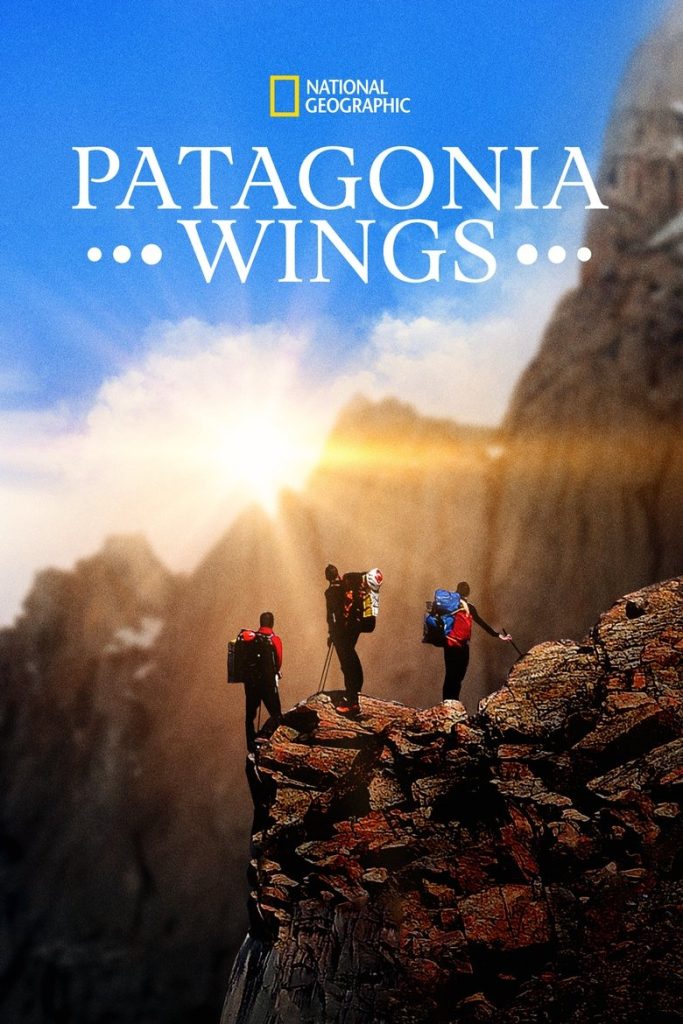
Story overview
This 45-minute French documentary follows writer Sylvain Tesson as he joins the French High Mountain Military Group on a mountaineering expedition in Patagonia. The team aims to honor the legendary Aéropostale aviation pioneers – Mermoz, Saint-Exupéry, and Guillaumet – by climbing the Fitz Roy mountain range and performing a jump from one of its summits. The film combines adventure, history, and breathtaking natural landscapes.
Parent Guide
A safe, educational documentary about mountaineering and historical tribute with no concerning content. Suitable for most children with basic attention spans for documentary format.
Content breakdown
Mountaineering involves inherent risks shown through climbing scenes and high-altitude jumps, but presented as controlled, professional activities without accidents or injuries depicted.
No frightening or disturbing content. Some viewers might experience mild tension during high-altitude scenes, but the tone remains positive and adventurous throughout.
No offensive or inappropriate language. Conversations focus on expedition logistics, historical discussion, and mountaineering terminology.
No sexual content or nudity. Participants wear appropriate mountaineering gear throughout.
No depiction of alcohol, drugs, or tobacco use.
Mild excitement during climbing and jumping sequences. Historical tribute elements may evoke respectful admiration rather than strong emotions.
Parent tips
This documentary focuses on mountaineering adventure and historical tribute rather than dramatic conflict. It's suitable for children interested in outdoor activities, aviation history, or nature. The military presence is for logistical support in extreme environments, not combat. No concerning content is present, but the high-altitude climbing scenes might create mild tension for very young viewers.
Parent chat guide
Parent follow-up questions
- What was your favorite mountain in the movie?
- What colors did you see in the sky?
- How do you think the climbers felt when they reached the top?
- Why do you think the climbers wanted to honor the Aéropostale pilots?
- What equipment do you think is most important for mountain climbing?
- What might be the hardest part of climbing a big mountain?
- How does this expedition connect aviation history with mountaineering?
- What qualities do you think make someone a good team member in extreme environments?
- Why do you think people take on challenging adventures like this?
- How does this documentary present the relationship between humans and extreme nature?
- What historical parallels can you draw between early aviation pioneers and modern adventurers?
- How does the military's role in this expedition differ from typical military portrayals in media?
🎭 Story Kernel
The film's core is a poignant examination of the illusion of escape. Protagonist Mateo's journey to Patagonia, ostensibly to photograph condors, is a thinly veiled attempt to flee his stagnant urban life and failing marriage. The narrative's true engine is the quiet desperation of modern alienation, not adventure. His obsession with capturing the 'perfect' flight mirrors his own inability to move forward authentically. The climax, where he chooses not to take a career-defining shot to avoid disturbing a nesting pair, reveals the story's heart: true freedom isn't found in grand gestures or geographic relocation, but in small, ethical choices that reconnect us to a world beyond the self.
🎬 Visual Aesthetics
Director Ana Silva employs a stark, contrasting visual language. The cramped, desaturated grays of Buenos Aires are shot with tight, handheld frames, creating a sense of claustrophobia. This gives way to the expansive, majestic wide shots of Patagonia, bathed in a palette of cold blues, stark whites, and earthy browns. The camera often lingers on the landscape itself, making the environment a silent, dominant character. The condor flight sequences are notably not hyper-stylized; instead, they use long lenses and natural light, emphasizing the birds' authentic, effortless grace against the brutal, beautiful terrain, visually reinforcing the theme of natural order versus human struggle.
🔍 Details & Easter Eggs
💡 Behind the Scenes
Lead actor Gael Martínez insisted on completing a two-week wilderness survival course to authentically portray the isolation. The condor footage is a blend of expertly trained birds from a sanctuary and discreet, long-range filming of wild populations, requiring a specialist crew to camp for weeks in remote locations. A key scene where Mateo's jeep breaks down was unscripted; the vehicle actually failed, and Martínez's genuine frustration was kept in the final cut, adding a layer of raw authenticity to his character's struggle.
Where to watch
Choose region:
- Disney Plus