
Paths of Glory (1957)
Story overview
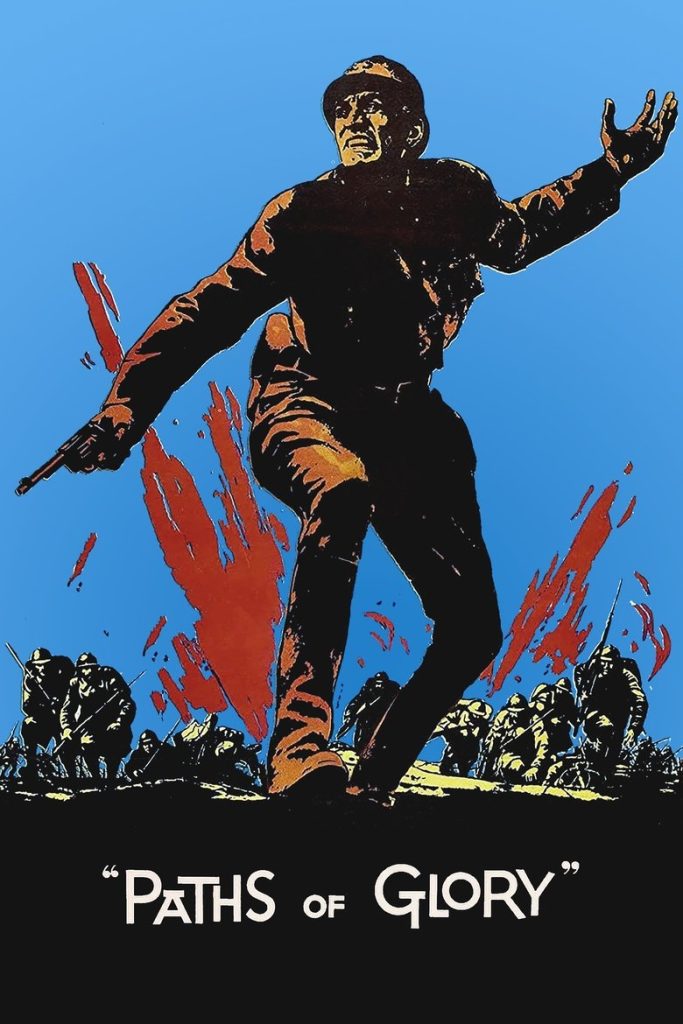
Paths of Glory is a 1957 war drama set in the French Army during World War I. The film follows a commanding officer who defends three soldiers unfairly chosen as scapegoats after a failed offensive. It explores themes of military justice, authority, and the human cost of war through courtroom drama and battlefield scenes. The story highlights moral dilemmas and institutional failures in a tense historical setting.
Parent Guide
A thought-provoking war drama about military injustice suitable for mature teens with guidance due to thematic intensity.
Content breakdown
War scenes show soldiers in combat with gunfire and explosions, but without graphic gore. Tense battlefield sequences and the threat of execution create peril.
Themes of unfair punishment, military injustice, and life-and-death decisions may be disturbing. Tense courtroom drama and the psychological pressure on characters create emotional intensity.
Period-appropriate military language and some tense exchanges, but no strong modern profanity.
No sexual content or nudity present.
Social drinking in officer scenes, consistent with historical military settings.
High emotional intensity from themes of injustice, moral dilemmas, and the serious consequences faced by characters. The film creates tension through ethical conflicts rather than action.
Parent tips
Paths of Glory deals with mature themes of injustice, military authority, and the brutality of war, though it contains minimal graphic violence. The emotional intensity comes from the unfair treatment of soldiers and the moral conflicts faced by officers. Parents should note that while the film is historically significant and critically acclaimed, its depiction of military injustice and tense courtroom drama may be heavy for younger viewers.
The film's black-and-white cinematography and 1950s style might feel dated to some children, but its themes remain relevant for discussions about fairness, leadership, and ethics. The runtime is relatively short at 88 minutes, making it manageable for older children and teens with appropriate guidance.
This film serves as an excellent conversation starter about historical events, moral courage, and how systems can sometimes fail individuals. It's best suited for viewers who can handle discussions about life-and-death decisions and institutional injustice without becoming overly distressed.
Parent chat guide
During viewing, pause if children seem confused about the military hierarchy or legal proceedings. The courtroom scenes involve complex arguments about justice and duty that may need explanation. Be ready to discuss why characters make certain choices and how power dynamics work in military settings.
After watching, focus conversations on the film's themes rather than plot specifics. Ask what children thought about how the soldiers were treated and whether they believe the decisions made were fair. Discuss how people in authority should balance following orders with doing what's right, and connect these ideas to contemporary examples of fairness and justice.
Parent follow-up questions
- What did you notice about how the soldiers looked in their uniforms?
- How did the people in the movie talk to each other?
- What colors did you see in the movie?
- Was anyone being nice or not nice in the story?
- What was your favorite part of watching the movie?
- Why do you think the soldiers had to follow orders?
- What does it mean to be treated fairly?
- How did the officers and regular soldiers act differently?
- What would you do if you saw someone being treated unfairly?
- How did the movie make you feel about war?
- What are some reasons people in authority might make unfair decisions?
- How does the movie show the difference between following rules and doing what's right?
- What responsibilities do leaders have toward the people they're in charge of?
- Why is it important to stand up for others even when it's difficult?
- How does the historical setting affect the story's events?
- How does the film critique military bureaucracy and institutional failure?
- What moral dilemmas do the characters face between duty and conscience?
- How does the film use its courtroom setting to explore themes of justice?
- What contemporary parallels can you draw to the film's depiction of scapegoating?
- How does the black-and-white cinematography contribute to the film's tone and themes?
🎭 Story Kernel
At its core, 'Paths of Glory' is a surgical dissection of institutional cowardice masquerading as honor. The film exposes how military hierarchy becomes a machine for transferring shame downward. General Mireau's impossible attack order isn't driven by strategy but by career ambition—he wants his promotion. Colonel Dax represents the system's last flicker of conscience, but even his heroic defense of the scapegoated soldiers ultimately fails against the machinery of face-saving. The trial isn't about justice but about creating an acceptable narrative for failure. The film's devastating power comes from showing how three random soldiers must die not for their actions, but to preserve the fiction of their superiors' competence.
🎬 Visual Aesthetics
Kubrick's camera becomes a relentless observer of institutional spaces. The tracking shots through the trenches feel claustrophobic and mechanical, mirroring the soldiers' trapped existence. Contrast this with the cavernous, elegant chateau where the generals plot—the visual dichotomy between where orders are given and where they're carried out is stark. The courtroom scenes use rigid symmetry and deep focus to emphasize the predetermined nature of the proceedings. Notice how the execution sequence employs almost documentary-like detachment—the absence of dramatic music or hero shots makes the bureaucratic murder feel chillingly ordinary. The final scene's warm tavern lighting provides the film's only visual warmth, making the German girl's song all the more heartbreaking.
🔍 Details & Easter Eggs
💡 Behind the Scenes
Kirk Douglas fought hard to get this film made when Hollywood studios rejected it as 'too anti-military.' He personally financed part of the production. The stunning chateau used for French headquarters was actually Schloss Schleissheim in Munich—Kubrick filmed in Germany because no French location would host a production critical of their military. The trench sets were so realistic that World War I veterans reportedly experienced flashbacks during filming. Notably, the film was banned in France for nearly 20 years and in US military bases for decades, proving its critique hit too close to home.
Where to watch
Choose region:
- fuboTV
- MGM+ Amazon Channel
- MGM Plus
- Philo
- Amazon Video
- Apple TV
- Google Play Movies
- YouTube
- Fandango At Home
- Tubi TV
- Kanopy
Trailer
Trailer playback is unavailable in your region.