
Paul, Apostle of Christ (2018)
Story overview
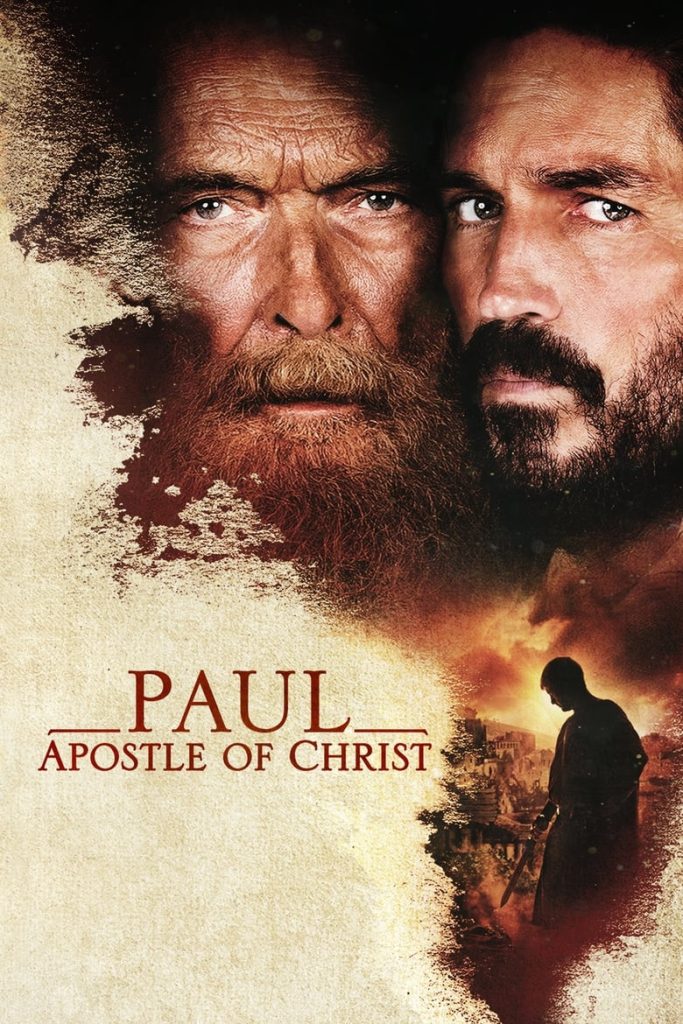
Paul, Apostle of Christ is a 2018 historical drama depicting the final days of the Apostle Paul in a Roman prison. The film focuses on his relationship with Luke, who visits him to document his teachings and experiences. It explores themes of faith, persecution, and forgiveness during early Christian times. The narrative emphasizes spiritual resilience and the spread of Christianity under Roman rule.
Parent Guide
A historical drama about faith and persecution with emotional intensity suitable for mature children.
Content breakdown
References to persecution and imprisonment without graphic violence.
Themes of persecution and impending execution may be emotionally intense for sensitive viewers.
No offensive language noted in typical religious/historical drama context.
No sexual content or nudity present.
No substance use depicted.
Strong themes of faith under pressure, imprisonment, and sacrifice create emotional weight.
Parent tips
This film is suitable for older children and teens due to its mature themes of religious persecution and imprisonment. Parents should be prepared to discuss historical context about early Christianity and Roman rule. The PG-13 rating suggests some intense emotional content, though without graphic violence. It's a thoughtful drama that may inspire conversations about faith, sacrifice, and historical accuracy.
Parent chat guide
Parent follow-up questions
- What did you think about the people in the movie?
- How did the friends help each other?
- What was your favorite part?
- Did you see anyone being kind?
- What colors or places did you notice?
- Why do you think Paul was in prison?
- How did Luke help his friend?
- What does 'faith' mean in this movie?
- How did people show courage?
- What would you do if your friend needed help?
- What historical period does this film represent?
- How does the movie show the challenges early Christians faced?
- What qualities made Paul a leader?
- How does friendship provide strength in difficult times?
- What messages about forgiveness does the film convey?
- How accurate do you think this portrayal of early Christianity is?
- What does the film suggest about the cost of religious conviction?
- How does the cinematography or music enhance the emotional impact?
- What contemporary parallels can you draw to religious persecution today?
- How does the film balance historical drama with spiritual messaging?
🎭 Story Kernel
The film's core is not Paul's dramatic conversion, but his quiet preparation for death. It explores the paradox of faith flourishing in persecution. Luke's motivation isn't heroism but documentation—preserving Paul's legacy as Nero's Rome burns Christians alive. Paul himself is driven by a profound shift from zealot to servant, wrestling with guilt over his violent past while finding peace in his impending martyrdom. The real conflict is internal: how to leave a legacy of love when surrounded by unimaginable cruelty. The story argues that faith's most powerful expressions often come not from public miracles, but from private endurance and whispered wisdom in dark places.
🎬 Visual Aesthetics
The visual language is one of stark contrast and intimate confinement. The palette is dominated by the oppressive grays of Paul's Mamertine Prison cell, punctuated by the warm gold of candlelight and the horrific oranges of Nero's fires. Camera work is deliberately claustrophobic, with tight close-ups on faces during dialogues, making the prison feel both tomb and womb. The few wide shots of Rome emphasize its scale against the Christians' vulnerability. Symbolism is subtle: water represents both cleansing baptism and the threat of drowning in persecution, while chains are shown not just as restraint, but as the earthly tether Paul is ready to shed.
🔍 Details & Easter Eggs
💡 Behind the Scenes
James Faulkner (Paul) and Jim Caviezel (Luke) previously worked together on 'The Count of Monte Cristo.' The Mamertine Prison set was built with meticulous historical accuracy, based on archaeological records. Director Andrew Hyatt chose to shoot in Malta, utilizing locations like the ancient city of Mdina, which stands in for period Rome. Notably, the script intentionally avoids depicting Paul's famous Damascus Road conversion visually, focusing instead on its aftermath and legacy.
Where to watch
Choose region:
- Netflix
- Netflix Standard with Ads
- Amazon Video
- Apple TV
- Google Play Movies
- YouTube
- Fandango At Home
Trailer
Trailer playback is unavailable in your region.