
Pedro Páramo (2024)
Story overview
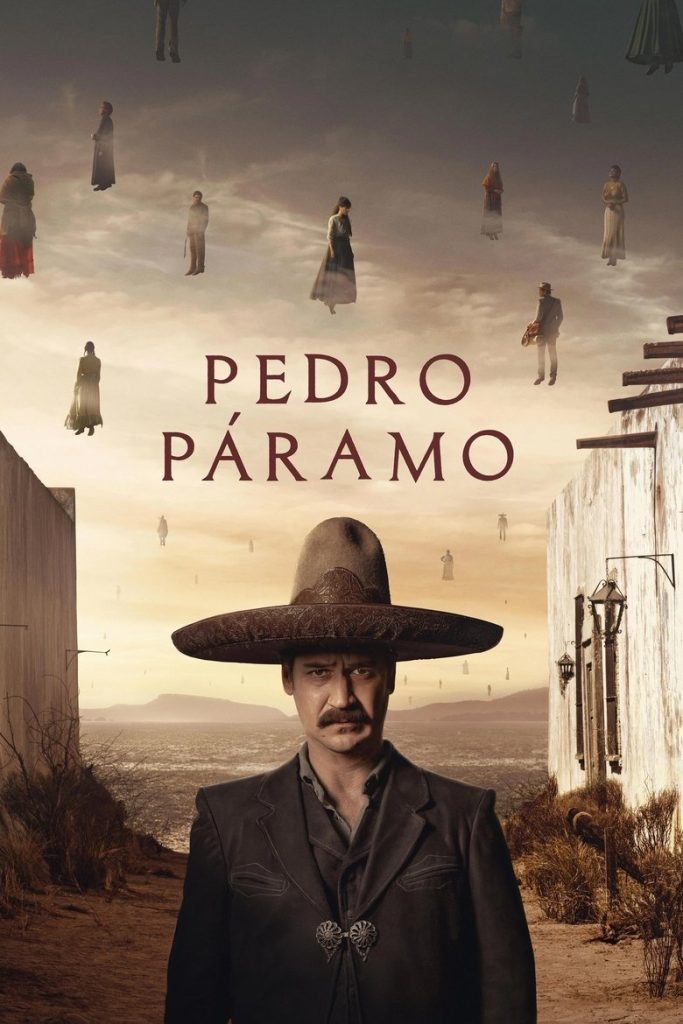
Pedro Páramo is a 2024 drama-fantasy-western film rated R. The story blends elements of magical realism with Western themes, likely exploring themes of memory, death, and redemption in a surreal landscape. It follows characters navigating a mysterious, dreamlike world where past and present intertwine. The film's tone is atmospheric and contemplative, with visual storytelling that emphasizes mood over traditional plot.
Parent Guide
An R-rated atmospheric film blending drama, fantasy, and Western genres with mature themes. Best for older teens and adults due to content intensity and abstract storytelling.
Content breakdown
Likely contains Western-style confrontations or peril typical of the genre. Violence may be stylized or implied rather than graphic.
Fantasy elements and surreal imagery could be unsettling. Themes of death and memory may create an eerie or melancholic atmosphere.
May include strong language consistent with an R rating, though specifics are unknown.
Possible romantic themes or suggestive content, but likely not explicit given the genres.
Could include depictions of alcohol or tobacco use in Western settings.
Deals with heavy themes like loss, regret, and existential questions. The abstract narrative may be emotionally challenging for some viewers.
Parent tips
This R-rated film contains mature content unsuitable for younger viewers. The fantasy and Western elements may appeal to teens, but parents should preview it first due to the R rating. Consider the emotional maturity of your child, as the film's abstract themes and potentially intense scenes require thoughtful engagement.
Parent chat guide
Parent follow-up questions
- What was your favorite part of the movie?
- Did you see any animals or funny things?
- What colors did you like in the movie?
- Was there anything that made you feel happy?
- Can you draw a picture from the movie?
- What was the main character trying to do?
- How did the fantasy parts make the story different?
- What would you do if you visited that place?
- Which scene was most exciting or interesting?
- What did you learn from the characters?
- How did the film mix fantasy with Western elements?
- What themes about memory or family did you notice?
- Why do you think the director chose this visual style?
- How did the music and scenery affect the mood?
- What questions did the movie leave you with?
- How does the film use magical realism to explore human experiences?
- What commentary on society or history might be embedded in the story?
- How did the non-linear narrative impact your understanding?
- What artistic choices stood out to you and why?
- How does this film compare to other fantasy or Western genres you've seen?
🎭 Story Kernel
The film explores the cyclical nature of power, guilt, and the weight of the dead on the living. At its core, it is an examination of the 'cacique' system through the life of Pedro Páramo, a man whose unrequited love for Susana San Juan turns his heart to stone, eventually leading to the literal and metaphorical desolation of Comala. Juan Preciado’s journey serves as the vessel through which we witness the disintegration of a family and a nation. It expresses the idea that the past is never truly buried; it remains a chorus of whispers in a town where time has ceased to function linearly. The narrative grapples with the intersection of religious dogma, revolutionary violence, and the inescapable inheritance of sin, suggesting that we are all haunted by the ghosts of those who came before us.
🎬 Visual Aesthetics
Rodrigo Prieto, transitioning from master cinematographer to director, employs a sophisticated visual language to distinguish between the living and the dead. The film utilizes a shifting color palette—moving from the dusty, sun-bleached ochres of the 'present' to the more vibrant, yet still grounded, tones of the past. The use of natural light and deep shadows emphasizes the liminal space Comala occupies between reality and the afterlife. Prieto’s camera work is fluid, often drifting through walls or across time within a single take, mirroring the novel’s stream-of-consciousness prose. Symbolism is rife, particularly in the depiction of the parched earth and the recurring motif of water, which represents both life-giving desire and the drowning weight of memory. The production design meticulously recreates the early 20th-century Mexican landscape, grounding the supernatural elements in a gritty, tactile reality.
🔍 Details & Easter Eggs
💡 Behind the Scenes
This film marks the directorial debut of Rodrigo Prieto, the Academy Award-nominated cinematographer known for his work with Martin Scorsese and Alejandro González Iñárritu. Interestingly, the lead actor, Manuel Garcia-Rulfo, who portrays Pedro Páramo, is the grand-nephew of Juan Rulfo, the author of the original 1955 novel. The production aimed for high authenticity, filming in various locations across Mexico, including San Luis Potosí. The screenplay was adapted by Mateo Gil, who faced the daunting task of translating Rulfo’s complex, non-linear narrative structure—often considered 'unfilmable'—into a coherent visual experience while maintaining its poetic, haunting essence.
Where to watch
Choose region:
- Netflix
- Netflix Standard with Ads
- VIX
Trailer
Trailer playback is unavailable in your region.