
Pelé (2021)
Story overview
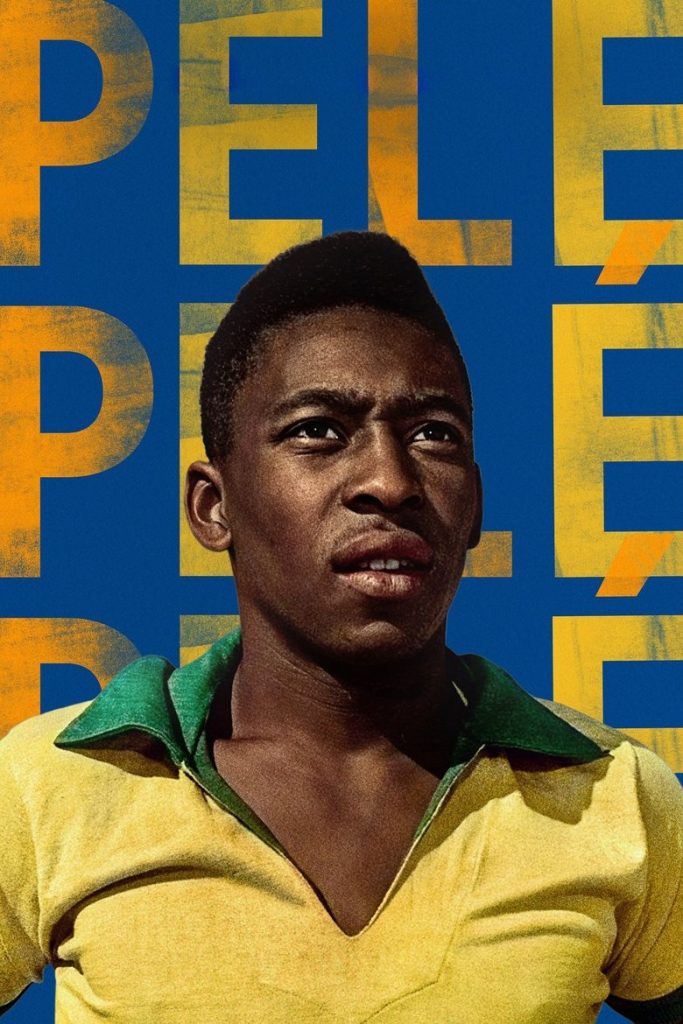
This 2021 documentary chronicles the life of legendary Brazilian footballer Pelé, set against Brazil's turbulent political and social history. Through rare archival footage and exclusive interviews with Pelé and notable figures like Zagallo and Gilberto Gil, it portrays his journey from a young talent to a national hero who transformed football into an art form. The film explores themes of sportsmanship, cultural identity, and perseverance.
Parent Guide
A family-friendly documentary about sports history with educational value. Contains historical context that may require explanation for younger viewers.
Content breakdown
Archival footage includes brief scenes of political protests or unrest in Brazil, but no graphic violence. Football matches show typical sports physicality.
Some historical footage of Brazil's political turmoil might be unsettling for sensitive viewers, but it's not graphic or prolonged.
No offensive language noted. Interviews are respectful and focused on historical narrative.
No sexual content or nudity. Focus is entirely on sports and biography.
No depiction of substance use. Social settings show typical celebrations without emphasis on alcohol or drugs.
Emotional moments related to Pelé's achievements and Brazil's national pride, but not intense. Some historical context might evoke thoughtful reflection.
Parent tips
This documentary is suitable for most families with children aged 8 and up. It focuses on sports history and cultural context rather than mature content. Parents may want to discuss Brazil's political history shown in archival footage, which includes some scenes of protests or unrest. The film's portrayal of Pelé's rise from poverty could inspire conversations about hard work and opportunity. Note that it's in Portuguese with subtitles, which might challenge younger viewers.
Parent chat guide
Parent follow-up questions
- Did you like watching Pelé play football?
- What was your favorite part of the movie?
- Can you kick a ball like Pelé?
- Why do you think Pelé became so famous?
- How did football make people in Brazil happy?
- What does it mean to be 'the king of football'?
- How did Pelé's background influence his career?
- Why was football important to Brazil's identity?
- What challenges did Pelé face on his way to success?
- How does the documentary portray Brazil's political history through sports?
- What makes Pelé's story relevant today?
- How does the film balance personal biography with national narrative?
🎭 Story Kernel
The film's core theme is the tension between national identity and individual genius. It's not just about Pelé becoming the greatest footballer, but about how Brazil's 1958 World Cup victory became a psychological salve for a nation grappling with post-colonial identity and racial inequality. The driving force isn't merely ambition—it's the weight of an entire country's hopes, using football as a vehicle for social cohesion and international recognition. The characters are propelled by this collective need for validation, making Pelé's journey less about personal glory and more about symbolic national redemption.
🎬 Visual Aesthetics
The cinematography employs a dynamic, almost documentary-style approach during matches, using handheld cameras to create visceral immediacy. The color palette shifts deliberately: the drab, muted tones of Pelé's impoverished childhood in Bauru contrast sharply with the vibrant greens of the pitch and the brilliant yellow of Brazil's jersey, visually marking his transition into a national symbol. Slow-motion sequences during key goals aren't just dramatic—they're presented as almost religious moments of national ecstasy. The camera often lingers on crowds' reactions, emphasizing that this story is as much about the spectators as the player.
🔍 Details & Easter Eggs
💡 Behind the Scenes
The film faced significant challenges in recreating period-accurate football sequences. Actor Kevin de Paula, who portrays teenage Pelé, underwent intensive training to mimic the legend's unique playing style, studying hundreds of hours of archival footage. Rather than using CGI for crowd scenes, the production employed over 10,000 extras in São Paulo's Pacaembu Stadium, dressed in 1950s attire. Director Jeff and Michael Zimbalist insisted on shooting in actual Brazilian locations, including Pelé's hometown of Bauru and the Maracanã Stadium, to capture authentic textures. The football matches were choreographed by former professional players to ensure technical accuracy.
Where to watch
Choose region:
- Netflix
- Netflix Standard with Ads
Trailer
Trailer playback is unavailable in your region.