
Perfect Blue (1998)
Story overview
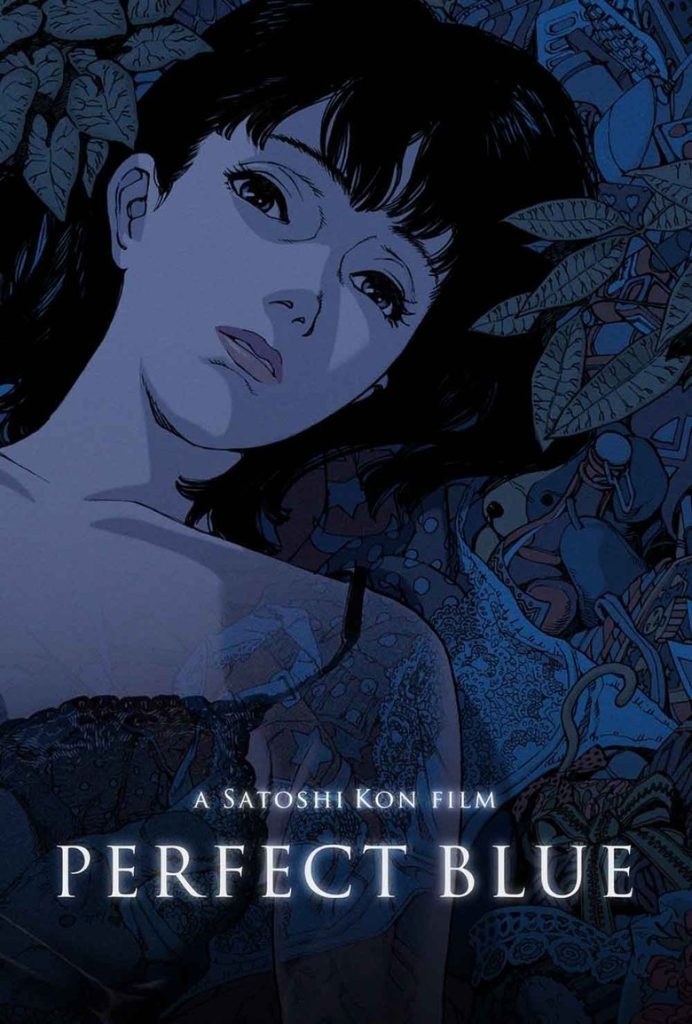
Perfect Blue is an animated psychological thriller from 1998 that follows a former pop star transitioning to acting. As she takes on new roles, she becomes entangled in a series of disturbing events that blur the lines between reality and fantasy. The film explores themes of identity, fame, and psychological unraveling through intense visual storytelling.
Parent Guide
A psychologically intense animated thriller with mature themes and disturbing content, suitable only for older teens and adults.
Content breakdown
Contains psychological violence, stalking, murder themes, and intense peril situations that create sustained tension.
Features intense psychological horror, disturbing imagery, reality distortion, and themes of paranoia and mental breakdown.
May contain some mild language, but the primary concern is the psychological content rather than explicit dialogue.
Contains suggestive themes related to celebrity culture and some implied sexual situations, though not explicit.
No significant substance use depicted in the film.
High emotional intensity throughout with themes of psychological distress, identity crisis, and sustained tension.
Parent tips
Perfect Blue is a mature animated film that deals with intense psychological themes and disturbing content. While it's animated, it's not suitable for children and is best viewed by older teens and adults who can handle its complex narrative and unsettling imagery. Parents should be aware that this film contains strong psychological horror elements that could be deeply disturbing for younger viewers.
Parent chat guide
Parent follow-up questions
- What colors did you see in the movie?
- Did you see any animals or fun characters?
- What was your favorite part of the animation?
- Was there any music you liked?
- How did the pictures make you feel?
- What was confusing about the story?
- How did the animation help tell the story?
- What made you feel uncomfortable or scared?
- Why do you think the main character was having trouble?
- What would you do if you felt confused like the character?
- How does the film show the difference between reality and imagination?
- What pressures do you think the main character faced?
- How did the animation style affect the scary parts?
- What messages about fame and identity did you notice?
- How did the film make you think about mental health?
- How does the film explore themes of identity and self-perception?
- What commentary does the film make about fame and celebrity culture?
- How effective was the psychological horror in creating tension?
- What techniques did the filmmakers use to blur reality and fantasy?
- How does this animated film compare to live-action thrillers you've seen?
🎭 Story Kernel
At its core, 'Perfect Blue' is a harrowing autopsy of identity dissolution in the digital age. The film explores what happens when the curated, public self—Mima's idol persona—is violently shed, leaving no stable core beneath. Her psychological unraveling isn't driven by a single antagonist, but by the collective, parasitic gaze of fandom, media, and the industry that consumed her. The 'Me-Mania' stalker and the phantom 'Mima' are not external monsters, but manifestations of her own fractured psyche and the societal pressures that created it. The film asks if identity is something we possess or something performed for consumption, and what remains when the performance ends.
🎬 Visual Aesthetics
Kon's visual language masterfully blurs the line between Mima's reality and psychosis. The camera often adopts a detached, voyeuristic perspective, mirroring the stalker's gaze and the audience's own complicity. A muted, almost drab color palette grounds the 'real' world, which is frequently invaded by lurid, saturated flashes of fantasy and violence. Clever match cuts seamlessly transition between scenes from the 'Double Bind' drama, Mima's memories, and her present reality, making her disorientation visceral. The use of reflective surfaces—windows, mirrors, TV screens—constantly fractures her image, visually representing her splintering self.
🔍 Details & Easter Eggs
💡 Behind the Scenes
Satoshi Kon's feature directorial debut was originally conceived as a live-action film, but budget constraints led to its animation. This hybrid intention is felt in its cinematic, realistic pacing and shot composition. The screenplay is an adaptation of Yoshikazu Takeuchi's novel, but Kon and writer Sadayuki Murai significantly altered the story, moving the setting from the literary world to the idol industry to critique contemporary media saturation. The film's disturbing content and psychological depth were groundbreaking for anime in 1997, influencing a generation of filmmakers, including Darren Aronofsky, who later purchased the rights to remake it and borrowed its iconic 'bathtub' shot for 'Requiem for a Dream.'
Where to watch
Choose region:
- HBO Max
- HBO Max Amazon Channel
- Amazon Video
- Apple TV
- Google Play Movies
- YouTube
- Fandango At Home
Trailer
Trailer playback is unavailable in your region.