
Peril on the Canvas (2026)
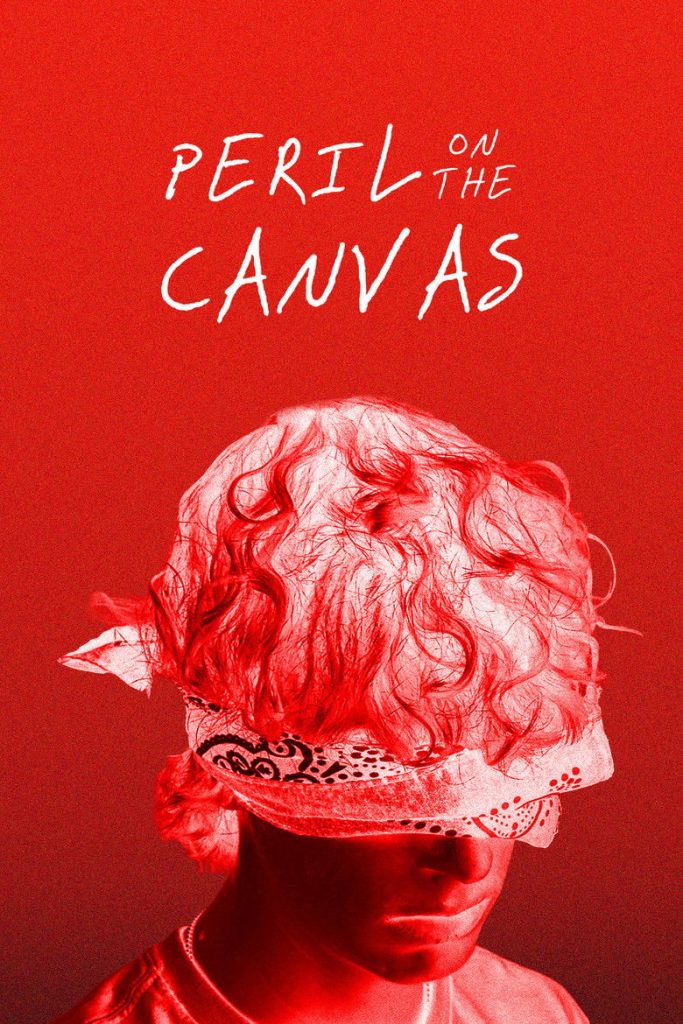
Story overview
Peril on the Canvas is a 2026 horror film directed by Zachary Colmenero, who also stars alongside Aiden McLain and Xander Keller. The story follows a troubled painter experiencing burnout who discovers an online trend called blind painting. When he tries this technique, he accidentally unleashes a parasitic monster that begins to destroy his life and harm those around him. The film explores themes of artistic pressure, mental health, and supernatural consequences, with a runtime of 52 minutes.
Parent Guide
A suspenseful horror film with psychological themes and supernatural elements that may be intense for younger viewers. The focus is on atmospheric tension and the psychological unraveling of the main character rather than graphic content.
Content breakdown
Contains scenes of peril as the parasitic monster threatens characters, with implied harm to people around the painter. No graphic violence shown, but tension and threat are present throughout.
Features a parasitic monster concept that may be disturbing, along with psychological horror elements. The film creates sustained tension and fear through the unseen threat and the painter's deteriorating mental state.
May include occasional mild language related to frustration or fear, but no strong profanity expected.
No sexual content or nudity present in the film.
No depiction of substance use or abuse.
Emotionally intense due to the painter's burnout and mental distress, combined with the horror of the parasitic threat. The film explores themes of isolation and psychological pressure.
Parent tips
This horror film features intense supernatural elements and psychological themes that may be too frightening for younger viewers. The parasitic monster and its effects create a tense atmosphere with scenes of peril. Parents should note the film's focus on a character's mental distress and the horror of an unseen force causing harm. Recommended for mature pre-teens and teenagers who can handle suspenseful, monster-themed horror without graphic violence.
Parent chat guide
Parent follow-up questions
—
- What was the scariest part of the movie for you?
- Why do you think the painter tried blind painting?
- How did the monster make you feel?
- How does the film show the painter's burnout and stress?
- What do you think the monster represents in the story?
- What would you have done differently if you were the painter?
- How does the film use horror elements to explore mental health themes?
- Discuss the symbolism of the parasitic monster in relation to the painter's life.
- What commentary might the film be making about online trends and their consequences?
Where to watch
Streaming availability has not been announced yet.
Trailer
Trailer playback is unavailable in your region.