
Period. End of Sentence. (2018)
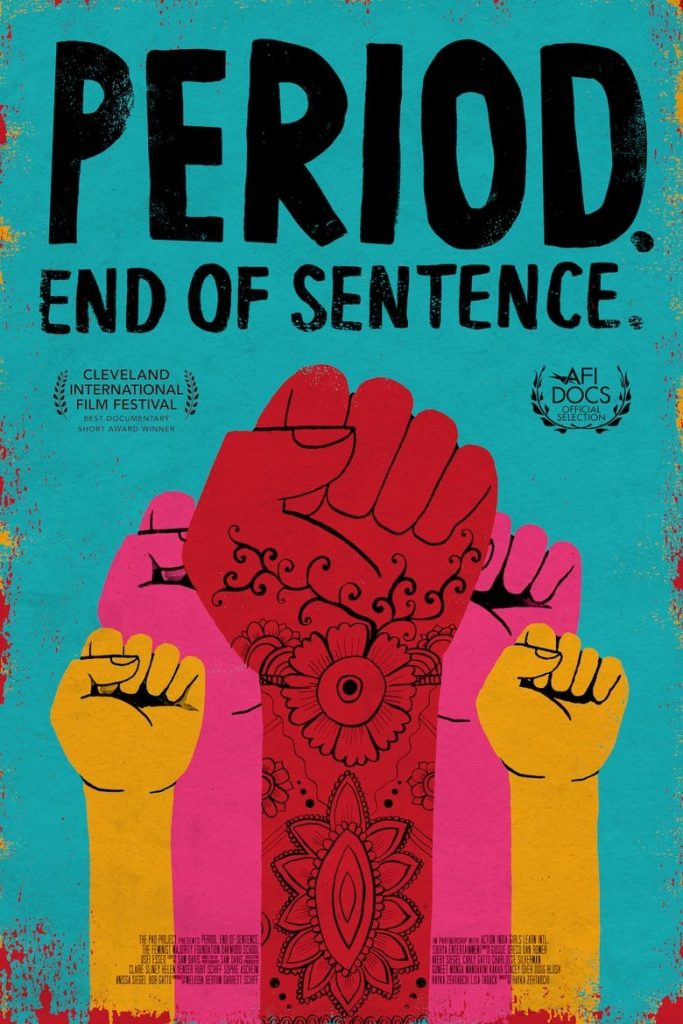
Story overview
This 2018 documentary follows a group of women in rural India who gain economic independence and challenge social taboos by manufacturing and selling affordable, biodegradable sanitary pads. The film focuses on empowerment, health education, and breaking menstrual stigma through community action.
Parent Guide
Educational documentary about menstrual health empowerment with positive messaging and no concerning content.
Content breakdown
No violence, danger, or peril depicted.
No scary or disturbing imagery. The film addresses menstrual health matter-of-factly without graphic visuals.
No strong language. Subtitled Hindi dialogue is respectful and educational.
No sexual content or nudity. Discussion of menstruation is clinical and educational.
No substance use depicted.
Mild emotional moments related to women overcoming stigma and gaining independence, presented positively.
Parent tips
This documentary addresses menstrual health openly but respectfully. It's an excellent conversation starter about bodily changes, gender equality, and global perspectives on hygiene. The film shows women working together positively, with no graphic content. Best for children who have begun learning about puberty or global cultures.
Parent chat guide
Parent follow-up questions
- What did the women in the movie make together?
- How did working together help the village?
- Why were the women making special pads?
- How did having their own business help the women?
- What does 'taboo' mean in the movie?
- How does the film challenge menstrual stigma?
- What economic benefits did the pad machine bring to the community?
- Why is menstrual hygiene important for health and education?
- How does the film connect menstrual stigma to broader gender inequality?
- What systemic changes are needed to improve menstrual health globally?
- How does economic empowerment relate to women's rights in the film?
🎭 Story Kernel
The film's core theme is the dismantling of systemic shame through practical action. It's not just about menstrual hygiene; it's about how economic empowerment becomes the vehicle for social liberation. The characters are driven by a quiet rebellion against generations of stigma—not through grand speeches, but through the tangible act of manufacturing pads. The real antagonist is silence itself, and the plot follows how breaking that silence with machinery and commerce creates a new, self-sustaining dignity. The story expresses that freedom often arrives not as a declaration, but as a skill learned and a product sold.
🎬 Visual Aesthetics
The cinematography employs a grounded, observational style. The camera often sits at eye level in intimate spaces, making the viewer a witness rather than a tourist. The color palette is dominated by the earthy tones of rural Hapur—dusty browns, faded greens, and the vibrant colors of the women's saris, which visually pop against their environment, symbolizing their latent agency. There's a powerful contrast between dark, confined indoor spaces where shame is discussed and the bright, open shots of the women working together at the pad machine, visually mapping their journey from isolation to community.
🔍 Details & Easter Eggs
💡 Behind the Scenes
The film began as a project by students at Oakwood School in Los Angeles, who raised funds to buy the pad machine for the Indian village. Director Rayka Zehtabchi shot the documentary over several weeks in Hapur, Uttar Pradesh. The film's subjects are not professional actors but real women from the community, and the 'Fly' pad machine seen in the film is the actual machine funded by the students. Its Oscar win for Best Documentary Short Subject in 2019 brought unprecedented global attention to the grassroots movement it chronicles.
Where to watch
Choose region:
- Netflix
- Netflix Standard with Ads
Trailer
Trailer playback is unavailable in your region.