
Pitch Perfect (2012)
Story overview
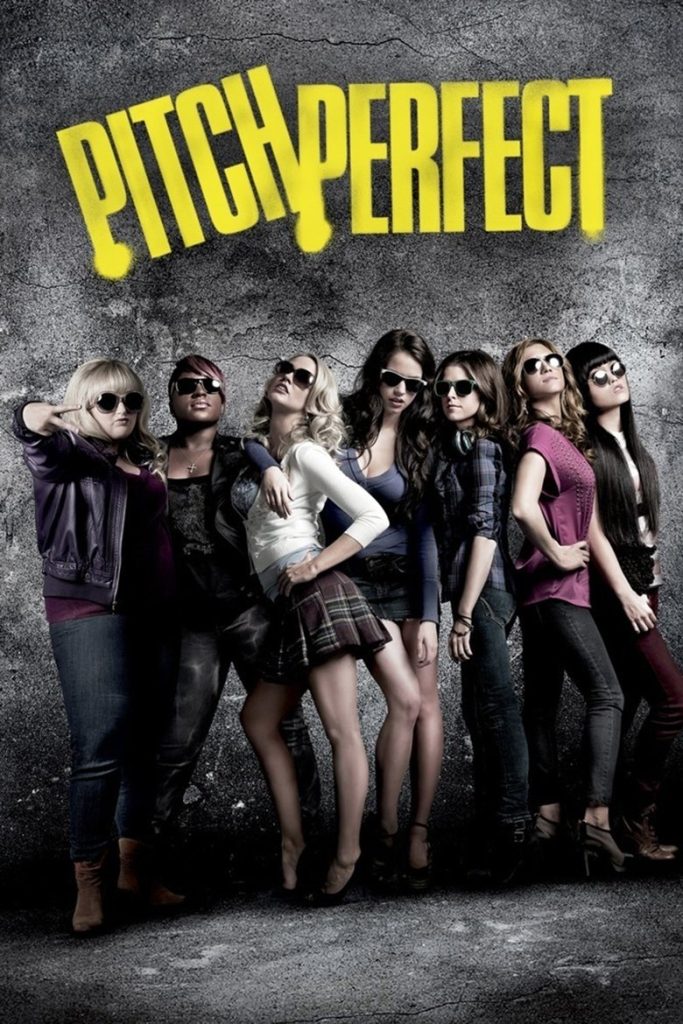
Pitch Perfect is a 2012 musical comedy about college a cappella groups competing in national championships. The film follows Beca, a freshman who reluctantly joins an all-female group called the Barden Bellas as they try to revitalize their reputation and win competitions. Through teamwork, friendship, and creative musical mashups, the characters navigate college life while pursuing their passion for singing.
Parent Guide
Musical comedy with college themes, moderate mature content
Content breakdown
Some comedic physical humor and competitive tension
No frightening or disturbing content
Some strong language and sexual references in dialogue and lyrics
Suggestive humor and innuendo, no explicit content
Scenes depicting college parties with alcohol consumption
Moderate competitive pressure and relationship conflicts
Parent tips
This PG-13 rated musical comedy contains some mature content that parents should consider. The film includes moderate language with some sexual references and innuendo throughout the dialogue and lyrics. While the overall tone is lighthearted and comedic, there are scenes depicting college party culture with alcohol consumption and some suggestive humor that may not be suitable for younger viewers.
Parents may want to preview the film or watch it with their children to discuss the portrayal of college life and peer relationships. The movie's positive messages about teamwork, self-expression, and finding one's voice can provide good conversation starters about pursuing passions while navigating social pressures.
Parent chat guide
For older viewers, conversations could focus on the college setting and how the movie represents campus life versus reality. Discuss the competitive aspects of the story and how characters handle both success and disappointment. These discussions can help contextualize the film's entertainment value while addressing any concerns about mature content.
Parent follow-up questions
- What was your favorite song in the movie?
- Did you like when the groups sang together?
- What colors did you see in the singing competitions?
- How did the characters help each other?
- What sounds did the singers make with their voices?
- What makes a good team according to the movie?
- How did the characters solve their disagreements?
- What did you learn about trying new things from the story?
- Why do you think music was important to the characters?
- How did the characters show friendship to each other?
- How did the movie show different ways people can be creative?
- What challenges did the characters face working as a team?
- How did the college setting affect the characters' decisions?
- What messages about competition did you notice in the film?
- How did the characters balance individuality with group goals?
- How realistically does the film portray college life and social dynamics?
- What did you think about the way the movie handled themes of self-expression versus conformity?
- How did the competitive aspects of the story reflect real-world situations?
- What perspectives on friendship and loyalty did the film present?
- How did the musical elements enhance or distract from the story's messages?
🎭 Story Kernel
Beneath its candy-colored surface, 'Pitch Perfect' is a sharp satire of institutionalized competition and the commodification of authenticity. The Barden Bellas don't just want to win—they're fighting to prove that their specific brand of femininity (quirky, flawed, collaborative) has value in a system that rewards the slick, commercial perfection of their rivals, the Treblemakers. Beca's arc isn't about learning to love a cappella; it's about realizing that collective creation, even within a rigid competitive framework, can be more personally fulfilling than solitary, cynical curation. The film argues that true innovation often comes from embracing the 'mash-up'—of personalities, of musical genres, of tradition and rebellion—rather than pure, polished conformity.
🎬 Visual Aesthetics
The film employs a distinctly televisual, competition-show aesthetic: sharp cuts, rapid montages, and tight close-ups during performances mimic the feel of a live broadcast, emphasizing the pressure-cooker environment. The color palette is collegiate but heightened—Barden University is awash in warm, saturated tones, while the competition stages are stark, cool, and clinically lit, visually separating the messy reality of rehearsal from the sterile arena of judgment. Key emotional moments, like the final riff-off or the 'Cups' sequence, use more intimate, handheld camerawork and natural lighting, creating islands of genuine connection amidst the highly stylized spectacle.
🔍 Details & Easter Eggs
💡 Behind the Scenes
Anna Kendrick's performance of 'Cups (When I'm Gone)' became a global phenomenon, sparking a viral tutorial trend. The song was not originally planned as a major element; Kendrick learned the cup routine from a YouTube video as a party trick, and director Jason Moore liked it so much he wrote it into the script. The iconic riff-off scene was filmed in one marathon 22-hour session. Rebel Wilson improvised many of her character Fat Amy's lines, including her self-given nickname, which was a direct riff on the trope of 'Fat Patricia' from Australian comedy.
Where to watch
Choose region:
- Netflix
- Netflix Standard with Ads
- Amazon Video
- Apple TV
- Google Play Movies
- YouTube
- Fandango At Home
Trailer
Trailer playback is unavailable in your region.