
Playing with Sharks (2021)
Story overview
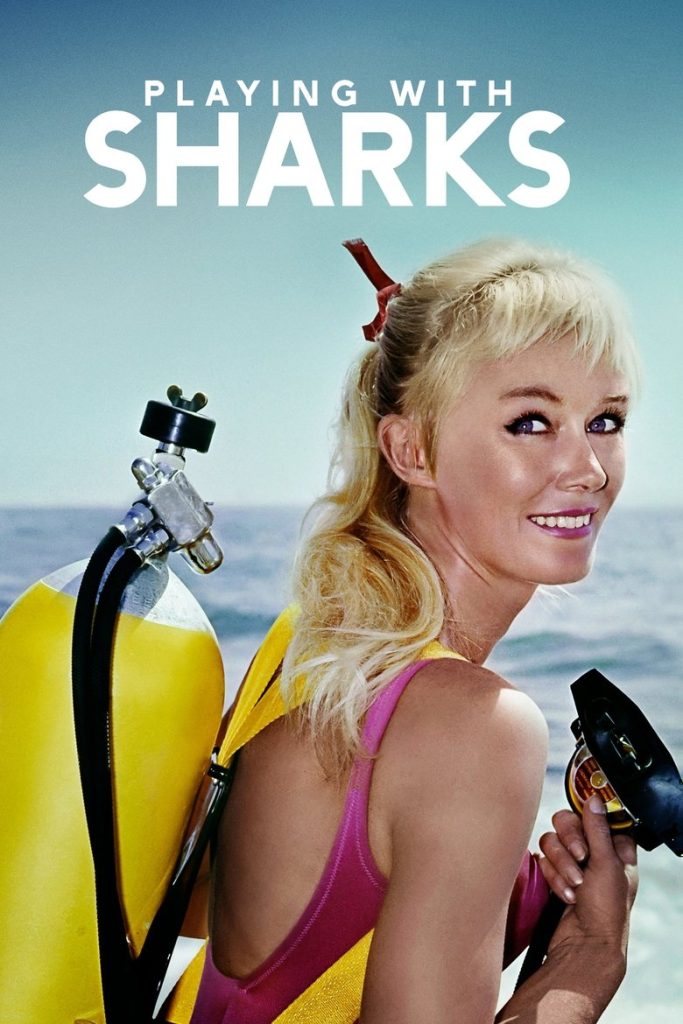
Playing with Sharks is a 2021 Australian documentary that chronicles the remarkable life and work of Valerie Taylor, a pioneering marine conservationist, diver, and cinematographer. The film highlights her fearless approach to studying sharks, including her involvement in filming real sharks for the movie Jaws and her groundbreaking experiments wearing chainmail suits to interact with sharks safely. Through archival footage and interviews, it showcases her contributions to changing public perception and scientific understanding of sharks, emphasizing conservation and respect for these misunderstood creatures.
Parent Guide
This documentary is educational and inspiring, with a focus on marine conservation and scientific exploration. It is appropriate for most children, especially those with an interest in nature, but parents of very young or sensitive viewers should note the underwater scenes with sharks, which might be intense for some.
Content breakdown
Includes underwater footage of sharks swimming and occasional close encounters, but no graphic violence or attacks. Scenes show Valerie Taylor in chainmail suits interacting with sharks, which might be perceived as perilous but are presented in a controlled, scientific context.
Some scenes feature sharks in their natural habitat, which could be startling for children unfamiliar with marine life. The documentary aims to reduce fear by educating viewers, but the size and presence of sharks might be intimidating to sensitive audiences.
No offensive or strong language is present in the documentary, based on its TV-PG rating and educational tone.
No sexual content or nudity; the focus is solely on marine life and conservation.
No depiction or reference to substance use.
The film evokes awe and admiration for nature, with moments of tension during shark interactions. It may inspire emotional responses related to conservation issues, but it is not highly intense or distressing.
Parent tips
This documentary is suitable for children interested in marine life, science, and conservation. It features underwater footage of sharks, including close encounters, but focuses on education and awe rather than fear. Parents may want to discuss the importance of shark conservation and the difference between documentary footage and sensationalized portrayals in movies like Jaws. The film's TV-PG rating indicates it may contain mild thematic elements, but it's generally family-friendly with no graphic violence or strong language.
Parent chat guide
Parent follow-up questions
- What did you see in the ocean?
- Can you name a sea animal from the movie?
- Did you like the sharks? Why or why not?
- What did Valerie Taylor do to study sharks?
- How do sharks help the ocean?
- What can we do to keep sharks safe?
- Why is Valerie Taylor considered a pioneer in marine conservation?
- How did the film change your view of sharks?
- What are some myths about sharks that the documentary debunks?
- Discuss the ethical implications of using chainmail suits in shark research.
- How does this documentary compare to fictional portrayals of sharks in media?
- What role does cinematography play in conservation efforts as shown in the film?
🎭 Story Kernel
The film explores the profound, often paradoxical relationship between humans and sharks, driven by Valerie Taylor's lifelong journey from spearfishing champion to pioneering conservationist. It's not just a biography but a meditation on shifting perceptions—how fear can morph into respect through intimate encounters. The core theme is the tension between exploitation and protection, as Taylor's personal evolution mirrors society's slow awakening to sharks' ecological importance. Her motivations stem from a deep-seated curiosity and guilt, transforming her from predator to guardian, highlighting how understanding can dismantle prejudice and inspire action in marine conservation.
🎬 Visual Aesthetics
The visual style blends archival footage with crisp underwater cinematography, using a muted blue-green palette to evoke the ocean's mysterious depths. Camera movements are fluid, mimicking the sharks' graceful motion, while close-ups on Taylor's face convey raw emotion during key moments. Symbolism emerges through contrasting shots: early aggressive spearfishing scenes give way to serene, almost dance-like interactions with sharks, emphasizing a shift from violence to harmony. The use of vintage film grain in historical clips adds nostalgia, grounding the narrative in a tangible past, while modern high-definition shots underscore the urgency of current conservation efforts.
🔍 Details & Easter Eggs
💡 Behind the Scenes
Valerie Taylor, the film's subject, is a real-life marine conservationist and underwater filmmaker from Australia, with her husband Ron Taylor contributing to iconic shark documentaries like 'Blue Water, White Death'. Filming locations included the Great Barrier Reef and South Australia, leveraging Taylor's personal archives for authenticity. The production faced challenges in capturing rare shark behaviors without interference, often using non-invasive techniques to align with Taylor's conservation principles, blending decades of historical footage with new interviews to create a cohesive narrative.
Where to watch
Choose region:
- Disney Plus
Trailer
Trailer playback is unavailable in your region.