
Plenty (2021)
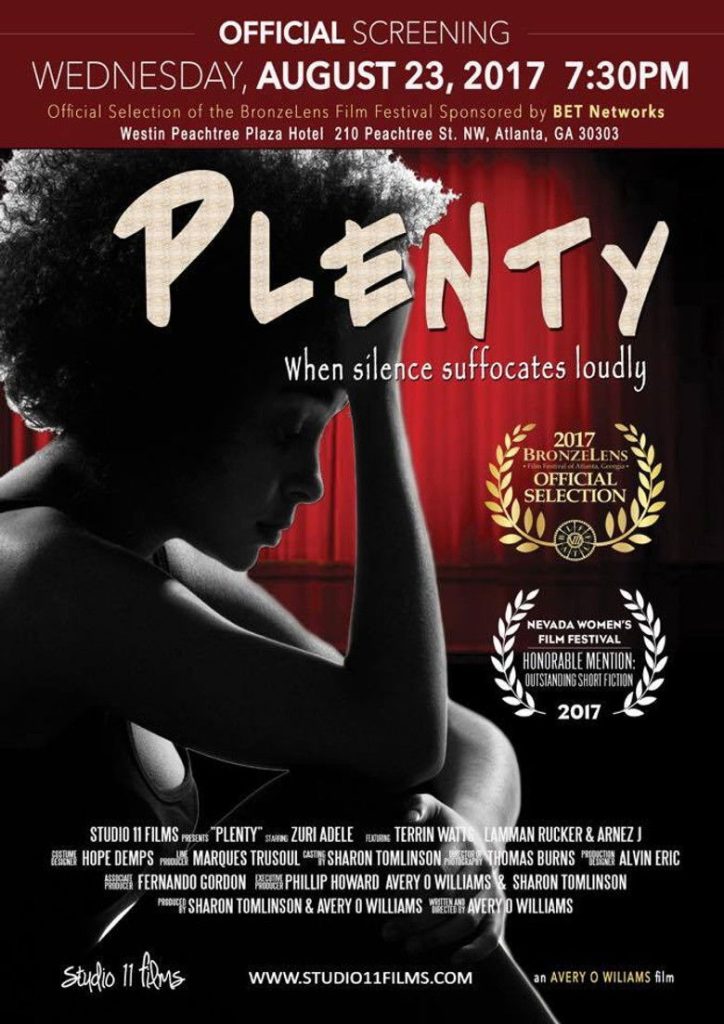
Story overview
Plenty is a 2021 drama film. The movie explores themes of personal growth and relationships. It follows characters navigating life's challenges and opportunities.
Parent Guide
A drama with emotional themes suitable for older children and teens with parental guidance.
Content breakdown
No violent content depicted.
May contain emotionally intense scenes.
No strong language expected in a general drama.
No sexual content or nudity expected.
No substance use depicted.
Contains emotional themes and relationship dynamics.
Parent tips
This drama deals with emotional themes that may require parental guidance for younger viewers. Consider watching together to discuss the characters' decisions and experiences. The content is generally appropriate for older children and teens with some maturity.
Parent chat guide
Parent follow-up questions
- What was your favorite part of the movie?
- How did the characters help each other?
- What made you happy in the story?
- Can you draw a picture from the movie?
- What would you do if you were in the story?
- What problem did the main character face?
- How did the characters show they cared about each other?
- What would you have done differently than the characters?
- What lesson did you learn from the movie?
- How did the characters change during the story?
- What motivated the main character's decisions?
- How realistic were the relationships in the film?
- What would you do in a similar challenging situation?
- How did the movie handle emotional moments?
- What does the title 'Plenty' mean to you after watching?
- How did the film portray personal growth and maturity?
- What social or emotional themes did the movie explore?
- How accurate was the depiction of relationships and conflicts?
- What cinematic techniques enhanced the storytelling?
- How does this film compare to other dramas you've seen?
🎭 Story Kernel
Plenty dissects the corrosive nature of nostalgia and the impossibility of returning to a heightened state of being. Susan Traherne is not driven by trauma, but by the ecstatic clarity she experienced as a young Resistance courier in WWII France. Her subsequent life in post-war Britain is a slow-motion collapse, a series of increasingly desperate performances aimed at recapturing that singular moment of purpose and authenticity. The film argues that her 'madness' is a logical response to a society that demands she trade revolutionary fervor for domestic complacency. Her affairs, her political outbursts, and her final breakdown are all failed attempts to reignite a fire in a world content with embers.
🎬 Visual Aesthetics
Director Fred Schepisi employs a cool, detached visual style that mirrors Susan's alienation. The palette starkly contrasts the lush, sun-drenched flashbacks of France—shot with a handheld, intimate urgency—with the crisp, sterile grays and blues of 1950s/60s London. Camera work is often static and observational in the present, framing Susan as a specimen under glass, while the war sequences feel visceral and immediate. Key symbolism lies in spaces: cramped diplomatic rooms versus the vast French countryside, visually imprisoning Susan in the life she supposedly chose but cannot inhabit.
🔍 Details & Easter Eggs
💡 Behind the Scenes
Meryl Streep, in a career-defining performance, mastered a flawless English accent for Susan. The film faced significant production challenges, including location shoots in France and England under tight schedules. David Hare adapted his own stage play, condensing its episodic structure but retaining its sharp, theatrical dialogue. The supporting cast features a young Sam Neill and Charles Dance, adding to the film's atmosphere of repressed English masculinity against which Susan rebels.
Where to watch
Choose region:
- Amazon Prime Video
- Peacock Premium
- Amazon Prime Video with Ads
- Peacock Premium Plus
- The Roku Channel
- Amazon Prime Video Free with Ads
- Tubi TV
- Amazon Video