
Poisoned: The Dirty Truth About Your Food (2023)
Story overview
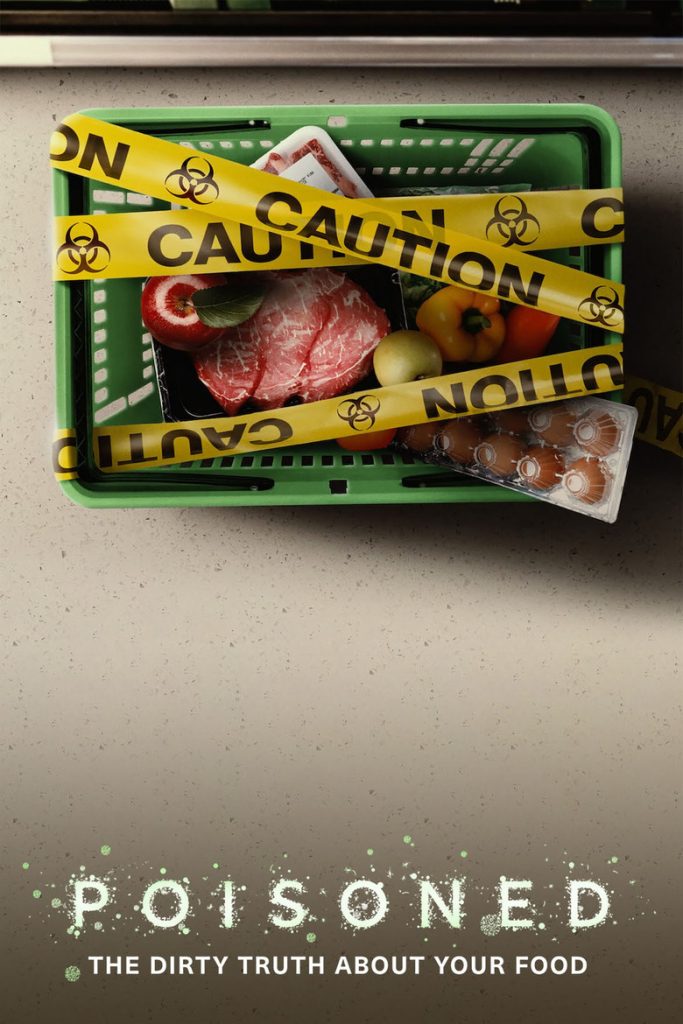
This documentary investigates food safety issues in the modern food industry, examining contamination risks and regulatory challenges. It explores how foodborne illnesses occur and the systems meant to prevent them, blending investigative journalism with scientific explanations. The film aims to inform viewers about potential dangers in everyday food consumption and the importance of food safety measures.
Parent Guide
Educational documentary about food safety issues suitable for older children with parental guidance.
Content breakdown
Discussions of foodborne illness and contamination, but no violent imagery.
Information about food contamination and illness might concern sensitive viewers.
No offensive language expected in documentary format.
No sexual content or nudity.
No substance use depicted.
Serious topic but presented in educational documentary style.
Parent tips
This documentary discusses food contamination and safety issues that might concern children who are learning about where their food comes from. The content is educational but includes discussions of illness and food system failures that could be unsettling for sensitive viewers. Consider watching together to provide context and reassurance about food safety practices in your own home.
Parent chat guide
Parent follow-up questions
- What are some ways we keep our food safe at home?
- Why is it important to wash our hands before eating?
- What are your favorite healthy foods to eat?
- What did you learn about how food gets to our table?
- Why do you think food safety rules are important?
- How can we make good choices about the food we eat?
- What surprised you most about the food safety information in the documentary?
- How do you think food safety affects different communities?
- What responsibility do companies have to keep food safe?
- How does this documentary change your perspective on food regulation?
- What systemic changes might improve food safety?
- How can consumers advocate for better food safety standards?
🎭 Story Kernel
The film serves as a scathing indictment of the United States' fragmented food safety apparatus, revealing how corporate lobbying and regulatory inertia have created a lethal environment for consumers. It moves beyond simple investigative tropes to explore the structural failures that allow pathogens like E. coli and Salmonella to flourish in the supply chain. By tracing the lineage of outbreaks from the 1993 Jack in the Box crisis to contemporary lettuce contamination, the narrative exposes a grim reality: the industry has successfully shifted the burden of safety onto the individual. The core message is one of systemic betrayal, where the agencies tasked with public protection are often hamstrung by the very corporations they are meant to oversee, leaving the American dinner table a site of hidden, preventable risk.
🎬 Visual Aesthetics
Stephanie Soechtig employs a clinical, investigative aesthetic that mirrors the sterile yet high-stakes nature of food science. The cinematography frequently utilizes wide, sweeping drone shots of industrial agricultural landscapes, emphasizing the sheer, uncontrollable scale of modern farming. These are sharply contrasted with intimate, handheld footage of families affected by foodborne illness, creating a jarring emotional resonance. The use of macro-photography on food processing belts transforms everyday items into alien, potentially hazardous objects, effectively stripping away the consumer's sense of security. The lighting in corporate and government interviews is often harsh and unforgiving, visually suggesting an interrogation, while the archival news footage provides a grainy, historical weight that reminds the viewer that these tragedies have been recurring for decades without sufficient resolution.
🔍 Details & Easter Eggs
💡 Behind the Scenes
Poisoned is based on the non-fiction book by Jeff Benedict, who spent years researching the Jack in the Box outbreak and its aftermath. Director Stephanie Soechtig continues her streak of high-impact advocacy filmmaking, following her previous works Fed Up and The Devil We Know, which also scrutinized powerful American institutions. The film features rare, candid interviews with former USDA officials who admit to the 'revolving door' phenomenon, where regulators eventually take high-paying jobs within the food companies they once policed. It premiered at the 2023 Tribeca Film Festival before its wide release on Netflix.
Where to watch
Choose region:
- Netflix
- Netflix Standard with Ads
Trailer
Trailer playback is unavailable in your region.