
Police Story (1985)
Story overview
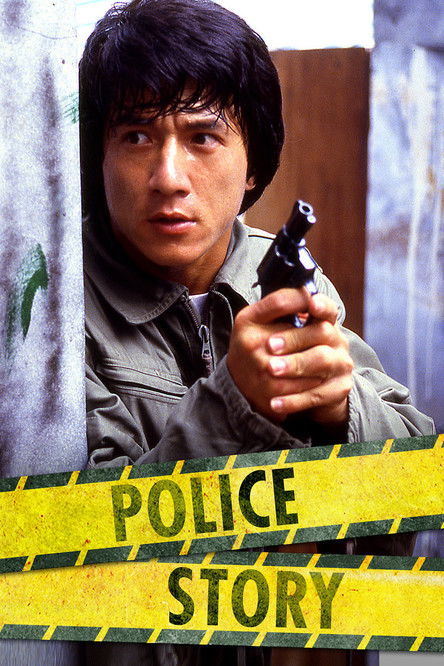
In this 1985 Hong Kong action-comedy, Officer Chan Ka Kui single-handedly arrests a major drug dealer after a chaotic shootout and an intense chase through a slum. He's then tasked with protecting the dealer's secretary, Selina, who plans to testify against him in court. The film blends martial arts, physical comedy, and thrilling stunts as Chan navigates danger and humorous mishaps while keeping Selina safe.
Parent Guide
A classic action-comedy with martial arts, chases, and slapstick humor. Moderate violence and peril are balanced by a playful tone. Suitable for older children and teens who understand stylized action.
Content breakdown
Frequent but non-graphic action violence: fistfights, kicks, gunfire (with no blood shown), car chases, and perilous stunts (e.g., falls, crashes). Violence is often comedic or exaggerated, with no serious injuries depicted.
Some tense moments during chases and confrontations, but nothing genuinely frightening. The comedic tone reduces scariness. No disturbing imagery or themes.
No strong language or profanity. Mild insults or exclamations typical of action films, but nothing offensive.
No sexual content, nudity, or romantic scenes beyond mild flirtation. Characters are focused on the action plot.
Brief references to drug dealing as part of the crime plot, but no depiction of drug use. Social drinking may be shown in background scenes.
Moderate excitement during action sequences, but overall low emotional intensity due to the comedic style. Characters face danger but remain resilient and humorous.
Parent tips
This film features frequent action violence (fistfights, gunfire, chases) and peril, but it's stylized with comedic elements typical of Jackie Chan's work. There's no graphic gore, sexual content, or strong language. The tone is mostly lighthearted despite the crime plot. Best for older kids who can distinguish movie action from reality.
Parent chat guide
Parent follow-up questions
—
- What did you think about the car chase scene? Was it exciting or scary?
- How did Jackie Chan's character show bravery?
- What funny moments did you notice in the movie?
- Why do you think the police officer had to protect the secretary? What does that say about justice?
- How were the action scenes different from what you might see in real life?
- What made this movie both exciting and funny at the same time?
- How does this film reflect Hong Kong cinema of the 1980s compared to modern action movies?
- What ethical questions does the plot raise about police work and witness protection?
- How does Jackie Chan blend comedy with action, and does it affect how seriously we take the violence?
🎭 Story Kernel
At its core, 'Police Story' is about institutional failure and the individual's struggle against systemic incompetence. Chan Ka-Kui isn't just fighting criminals—he's battling a police force more concerned with public image than justice, superiors who'd rather cover up mistakes than solve problems, and a legal system that protects the powerful. The film exposes how 'protect and serve' becomes 'protect the department' when Chan is abandoned by his own colleagues after the botched arrest. His heroic actions are punished, while the wealthy villainess Chu Tao manipulates the system effortlessly. The real tension isn't whether Chan will catch the criminals, but whether he'll survive being crushed between criminals above the law and a police force beneath its duty.
🎬 Visual Aesthetics
Jackie Chan's visual language is brutally practical—every shot serves either character or chaos. The camera doesn't just observe action; it participates, with wide shots that emphasize the terrifying scale of stunts (the bus fight's long take makes you feel every impact) and tight close-ups during emotional beats that ground the spectacle. The color palette shifts from sterile police blues and grays to the vibrant, chaotic primary colors of the shopping mall climax, mirroring Chan's journey from constrained officer to desperate man. Notice how action scenes use deep focus—you see every broken railing, every shattered display case—creating a tactile, dangerous world where consequences are visible and permanent. The famous sliding-down-the-pole-through-lights sequence isn't just a stunt; it's visual storytelling about a man literally burning through institutional barriers.
🔍 Details & Easter Eggs
💡 Behind the Scenes
Jackie Chan broke his pelvis during the pole slide stunt when a light fixture struck him—he completed the shot anyway, then was hospitalized for months. The shopping mall was a real Hong Kong location that granted only two nights of filming, forcing the crew to shoot the entire 10-minute sequence in continuous takes. Maggie Cheung's character was originally smaller, but Chan expanded her role after seeing her comedic timing during rehearsals. Most stunts had no insurance coverage—Chan's stunt team famously operated on trust rather than contracts. The film's budget was minuscule by Hollywood standards, with Chan using practical effects like real cars crashing through real walls rather than CGI.
Where to watch
Choose region:
- HBO Max
- HBO Max Amazon Channel
- Criterion Channel
- Shout! Factory TV
- Apple TV Store
- Fandango At Home
Trailer
Trailer playback is unavailable in your region.