
Pom Poko (1994)
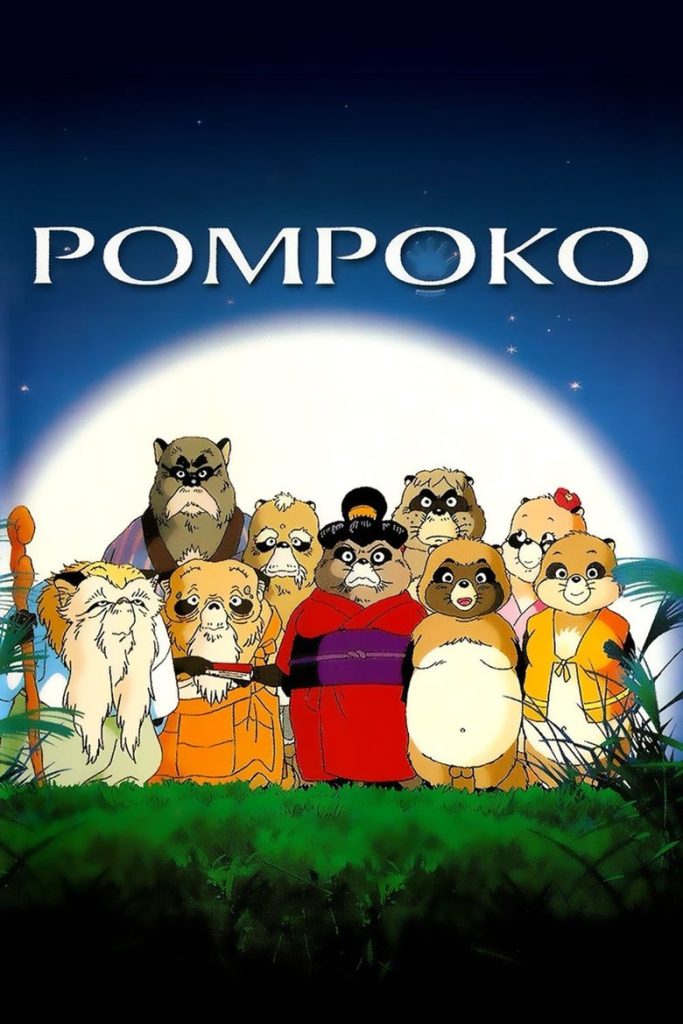
Story overview
Pom Poko is a 1994 Japanese animated film about raccoons whose forest habitat is threatened by urban development. The raccoons use their traditional shape-shifting abilities to transform into various forms, including humans, in creative attempts to save their home. The story blends environmental themes with fantasy elements as the animals work together to confront the challenges of modernization. This imaginative tale explores themes of community, tradition, and the impact of human expansion on nature.
Parent Guide
A thoughtful animated film about raccoons using magical transformations to protect their forest home from development, with environmental themes that may require guidance for younger viewers.
Content breakdown
Some scenes show raccoons in peril from habitat destruction and hunger, with tension as they confront human development. No physical violence between characters.
Mildly disturbing elements include raccoons struggling with displacement and the loss of their home. Some transformation scenes might be surprising but not frightening.
No concerning language in the English version. The original Japanese dialogue is mild and appropriate.
No sexual content or nudity. Some raccoon characters appear in human-like situations that are humorous rather than suggestive.
No depiction of substance use.
Moderate emotional intensity from themes of habitat loss, community struggle, and environmental change. Some scenes may evoke sadness or concern about the raccoons' situation.
Parent tips
Pom Poko presents environmental themes through the perspective of raccoons fighting to save their habitat from development. The film includes some scenes where raccoons are shown struggling with hunger and displacement, which might be emotionally challenging for sensitive viewers. There are also moments where transformed raccoons appear in humorous human-like situations that could prompt questions about cultural differences in humor.
Parents should be aware that the film deals with themes of loss and change as the raccoons' home is transformed by construction. Some scenes depict the animals' desperation and the tension between nature and progress. The PG rating reflects these elements, which are handled in a thoughtful but sometimes intense manner for younger audiences.
The film's runtime of nearly two hours might require breaks for younger viewers, and the cultural context of Japanese animation may differ from Western storytelling conventions. The environmental message is clear throughout, providing opportunities to discuss conservation and how communities respond to change.
Parent chat guide
After the film, talk about the environmental themes and how the raccoons worked together as a community. Ask your child how they might feel if their own neighborhood changed dramatically. Discuss the balance between human development and protecting nature, and explore what solutions might benefit both animals and people.
Consider connecting the film's themes to local environmental issues or conservation efforts in your area. The raccoons' use of traditional skills (transformation) could lead to conversations about preserving cultural traditions while adapting to change.
Parent follow-up questions
- What was your favorite animal in the movie?
- How did the raccoons try to solve their problem?
- What does it mean to have a home?
- Did any parts make you feel sad or happy?
- What colors did you see in the forest?
- Why were the raccoons worried about the new buildings?
- How did working together help the raccoons?
- What does 'transformation' mean in the story?
- How do you think the humans felt about the raccoons?
- What would you do if animals lived where people wanted to build?
- What environmental message did you get from the film?
- How did the raccoons use their traditional skills in new ways?
- What are the pros and cons of urban development shown in the movie?
- How does the film show different perspectives on progress?
- What solutions might work for both animals and humans in such situations?
- How does the film explore the tension between tradition and modernization?
- What cultural values about nature are presented in this Japanese film?
- How effective were the raccoons' strategies, and what alternatives might exist?
- How does animation as a medium help tell this environmental story?
- What real-world parallels can you draw to the film's themes of habitat loss?
🎭 Story Kernel
At its core, 'Pom Poko' is a tragicomedy about cultural extinction disguised as an environmental parable. The tanuki aren't fighting just for their forest—they're fighting for their identity, traditions, and way of being. Their desperation manifests in increasingly absurd tactics, from ghost parades to transforming into humans, revealing how marginalized communities must contort themselves to survive modernity. The film's genius lies in showing how even their most spectacular successes (like the grand illusion of Edo-era Japan) ultimately fail against bureaucratic indifference. Their final transformation into humans isn't victory but assimilation—the ultimate loss of what made them tanuki.
🎬 Visual Aesthetics
Isao Takahata's visual approach masterfully blends three distinct styles: realistic natural landscapes, cartoonish tanuki antics, and hauntingly beautiful traditional Japanese art during transformation sequences. The color palette shifts from vibrant greens during peaceful forest life to washed-out grays as development encroaches. Most striking are the transformation scenes where tanuki stretch and morph like living clay—a visual metaphor for cultural flexibility pushed to breaking point. The camera often adopts low angles, emphasizing the tanuki's perspective as they're literally looked down upon by human society. The 'pom poko' battle scenes are deliberately ridiculous, with testicles used as weapons becoming both comic relief and poignant symbols of desperate, primal resistance.
🔍 Details & Easter Eggs
💡 Behind the Scenes
Director Isao Takahata insisted on realistic tanuki biology despite the fantastical premise, consulting zoologists about their actual behaviors. The film's title comes from the sound of tanuki drumming their bellies in Japanese folklore. Studio Ghibli animators created over 500 different tanuki designs to show individual personalities. The controversial testicle transformations (toned down for international releases) directly reference traditional tanuki folklore where their scrotums symbolize good fortune and adaptability. Voice casting included famous rakugo storyteller Shigeru Izumiya as the elder tanuki, adding authentic oral tradition inflections to the performance.
Where to watch
Choose region:
- HBO Max
- HBO Max Amazon Channel
- Amazon Video
- Apple TV
- Google Play Movies
- YouTube
- Fandango At Home
Trailer
Trailer playback is unavailable in your region.