
Pompeii: Secrets of the Dead (2019)
Story overview
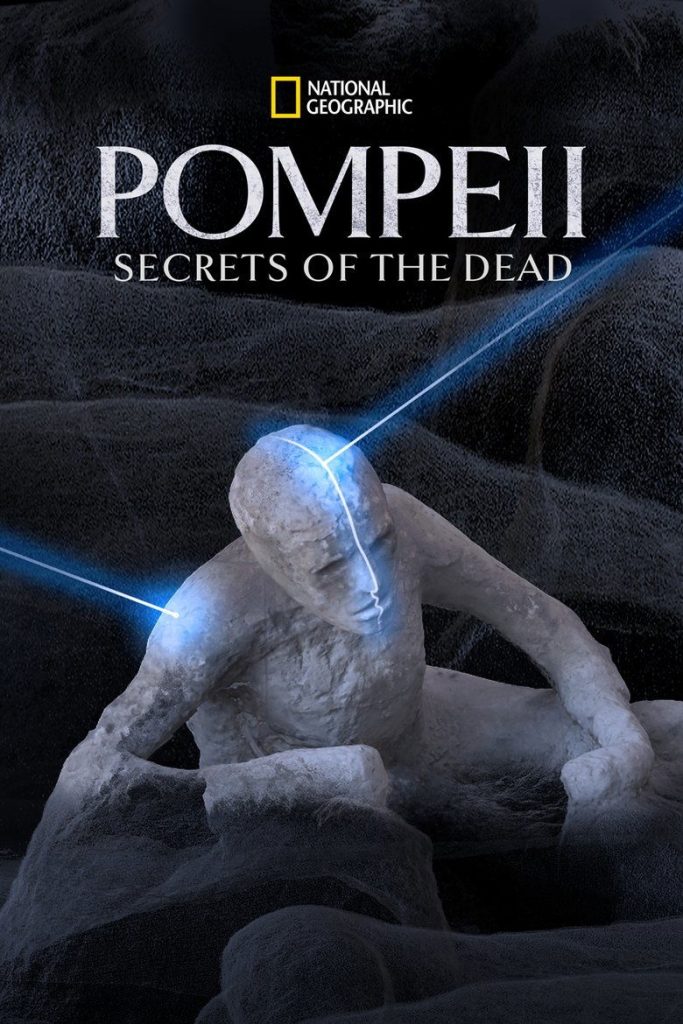
This documentary uses forensic science to examine the preserved remains of Pompeii's victims, investigating why they failed to escape the catastrophic volcanic eruption of Mount Vesuvius in 79 AD. Through non-invasive scanning technology and archaeological analysis, experts reconstruct the final moments and decisions of these ancient Romans, offering insights into human behavior during disasters.
Parent Guide
Educational documentary suitable for school-aged children with interest in history or science. Presents tragic historical events through respectful scientific investigation rather than sensationalism.
Content breakdown
Discusses historical disaster and death, but shows no violent acts or graphic depictions. Focus is on scientific analysis of remains rather than the eruption itself.
May be unsettling for sensitive children due to discussion of mass death, but presentation is clinical and educational rather than frightening. No jump scares or intense imagery.
No inappropriate language. Uses scientific and historical terminology appropriate for educational content.
No sexual content or nudity. Remains are presented respectfully and scientifically.
No depiction or discussion of substance use.
Emotional content relates to historical tragedy but is presented with scientific detachment. May prompt thoughtful discussion about mortality and disaster preparedness.
Parent tips
This educational documentary focuses on scientific investigation rather than graphic depictions. It presents historical tragedy respectfully through forensic analysis. Parents may want to discuss how scientists learn from past events to improve modern disaster preparedness. The content is suitable for curious children interested in history or science.
Parent chat guide
Parent follow-up questions
- What is a volcano?
- What do scientists do?
- How do we learn about people who lived long ago?
- Why do you think some people didn't escape Pompeii?
- How does scanning help scientists understand history?
- What would you do if you saw a volcano erupting?
- What forensic methods did scientists use in this documentary?
- How does studying past disasters help us prepare for future ones?
- What ethical considerations exist when studying human remains?
- How does this documentary balance scientific inquiry with respect for the deceased?
- What psychological factors might influence evacuation decisions during disasters?
- How has forensic archaeology changed our understanding of ancient civilizations?
🎭 Story Kernel
The film isn't just about the eruption of Mount Vesuvius—it's about the forensic reconstruction of lost lives through modern archaeology. The real narrative driver is the tension between scientific detachment and human empathy as researchers piece together the final moments of Pompeii's victims. Through CT scans of plaster casts and DNA analysis, we witness how technology transforms anonymous skeletons into individuals with stories, occupations, and relationships. The film's core theme explores how disaster preserves intimate human details even as it destroys everything, creating a paradox where destruction becomes a form of preservation. The characters are driven by the need to give voice to those silenced for millennia, turning ash-covered remains into testimonies of ordinary lives interrupted.
🎬 Visual Aesthetics
The documentary employs a striking visual dichotomy between sterile laboratory scenes and dramatic historical recreations. Modern sequences feature cool blue and white color palettes in research facilities, emphasizing clinical precision, while ancient Pompeii is rendered in warm earth tones and fiery oranges during the eruption. The camera alternates between steady, observational shots during scientific analysis and dynamic, handheld movements during disaster sequences. Particularly effective is the use of 3D scanning visualizations that gradually reconstruct skeletons into recognizable human forms—a visual metaphor for the entire film's mission. The eruption scenes avoid Hollywood spectacle in favor of more grounded, terrifying realism, with ash clouds depicted as suffocating blankets rather than explosive pyrotechnics.
🔍 Details & Easter Eggs
💡 Behind the Scenes
The production faced unique challenges creating the plaster cast sequences—modern ethical guidelines prevent making new casts of actual remains, so the team used detailed 3D scans of the original 19th-century casts combined with CGI. Filming in Pompeii required special permissions to access restricted archaeological zones, often working at dawn to avoid tourists. The scientific consultants included archaeologists who had worked on the actual Pompeii excavations, ensuring accuracy in both methodology and historical context. Notably, some laboratory scenes were filmed at the same research facilities where the real analyses occurred, using actual scanning equipment rather than props.
Where to watch
Choose region:
- Disney Plus