
Pride (2007)
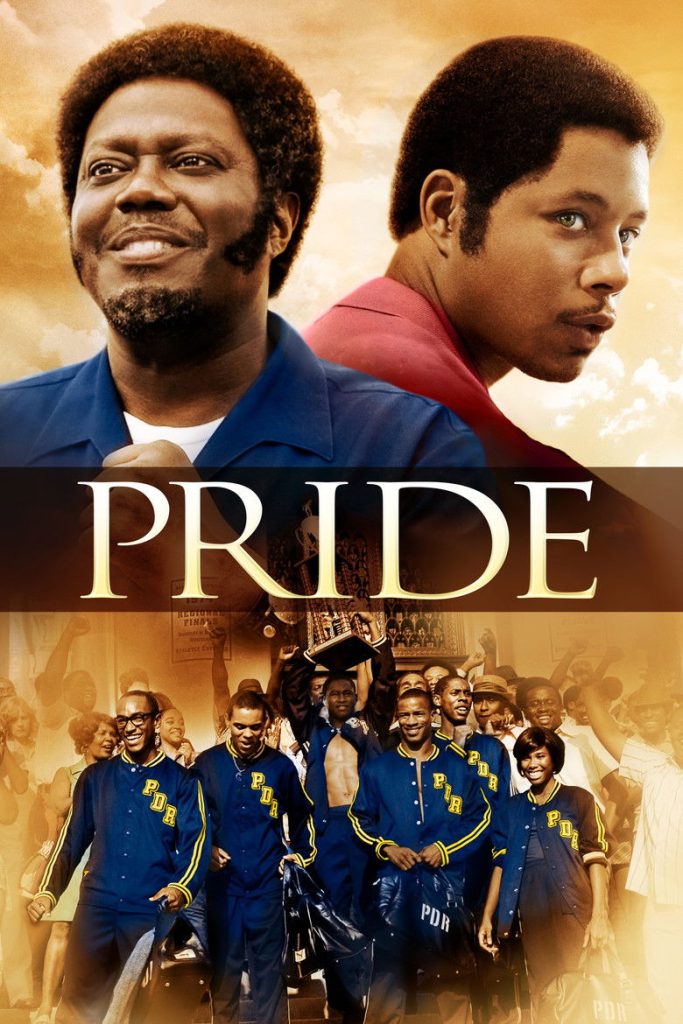
Story overview
Pride is an inspiring 2007 sports drama based on the true story of Jim Ellis, who overcomes racism and institutional barriers to establish Philadelphia's first African-American swim team in the 1970s. The film follows Ellis as he transforms a neglected recreation center into a competitive swimming program, mentoring disadvantaged youth and challenging systemic discrimination while fostering teamwork, discipline, and self-respect among his athletes.
Parent Guide
A family-friendly inspirational sports drama with strong positive messages about overcoming racism through determination and teamwork. Suitable for most children ages 8+ with parental guidance for discussions about historical discrimination.
Content breakdown
No physical violence. Some tense moments during swimming competitions and confrontations about racism. One scene shows a character being threatened with pool closure.
Some emotional intensity related to racial discrimination and institutional barriers. Scenes depicting prejudice and verbal harassment might be upsetting to sensitive viewers.
Occasional mild insults and racially charged language reflecting the historical context. No strong profanity.
No sexual content or nudity. Characters wear standard swimwear appropriate for competitive swimming.
No depiction of alcohol, drugs, or tobacco use.
Emotionally charged scenes dealing with racism, discrimination, and overcoming adversity. Uplifting moments of triumph and personal growth balance the challenging themes.
Parent tips
This PG-rated film is suitable for most children ages 8 and up, offering positive messages about perseverance, racial equality, and teamwork. Parents should be prepared to discuss historical racism and discrimination, as the film depicts prejudice through verbal slurs and institutional barriers. The swimming competition scenes create moderate tension but remain appropriate for family viewing. The film contains no sexual content, substance use, or strong language beyond occasional mild insults related to racism.
Parent chat guide
Parent follow-up questions
- What was your favorite swimming scene?
- How did the team work together?
- Why was it important for the swimmers to practice?
- Why did some people not want the swim team to exist?
- How did Coach Ellis help the swimmers believe in themselves?
- What challenges did the team have to overcome?
- What historical barriers did African-American athletes face in the 1970s?
- How did institutional racism affect the swim team's opportunities?
- What qualities made Coach Ellis an effective mentor?
- How does the film portray systemic racism in sports institutions?
- What strategies did the characters use to challenge discrimination?
- How does this historical story relate to current issues of equality in sports?
🎭 Story Kernel
At its core, 'Pride' explores how solidarity transcends identity politics. The film isn't about gay activists 'saving' miners, but about discovering shared humanity in the face of common oppressors. What drives the characters isn't political ideology, but the fundamental human need for connection and dignity. The real conflict isn't between gay and straight, but between those who build bridges and those who build walls. The movie's genius lies in showing how marginalized groups find strength not by competing for victimhood, but by recognizing their shared struggle against systems that seek to divide and conquer.
🎬 Visual Aesthetics
Director Matthew Warchus employs a warm, naturalistic visual palette that evolves with the narrative. Early London scenes feature muted tones and cramped spaces, reflecting the closeted lives of LGBTQ characters. As the story moves to Wales, the cinematography opens up with sweeping landscapes and warmer colors, mirroring the characters' emotional expansion. The camera often lingers on faces during moments of connection, emphasizing human emotion over political rhetoric. The mining community is shot with the same dignity as the gay activists, visually reinforcing their equal humanity. The film's visual language consistently prioritizes intimacy over spectacle.
🔍 Details & Easter Eggs
💡 Behind the Scenes
The film is based on the true story of LGSM (Lesbians and Gays Support the Miners), with several real-life figures appearing as characters. Bill Nighy's character Dai Donovan is based on an actual miner who became a key ally. Filming locations included actual Welsh mining villages, with many extras being former miners or their families. The iconic 'Pits and Perverts' concert fundraiser depicted actually happened in 1984, raising crucial funds. Director Matthew Warchus insisted on casting Welsh actors for authenticity in the mining community roles.
Where to watch
Choose region:
- HBO Max
- HBO Max Amazon Channel
- Starz Apple TV Channel
- Amazon Video
- Apple TV Store
- Google Play Movies
- YouTube
- Fandango At Home
Trailer
Trailer playback is unavailable in your region.