
Prisoners (2013)
Story overview
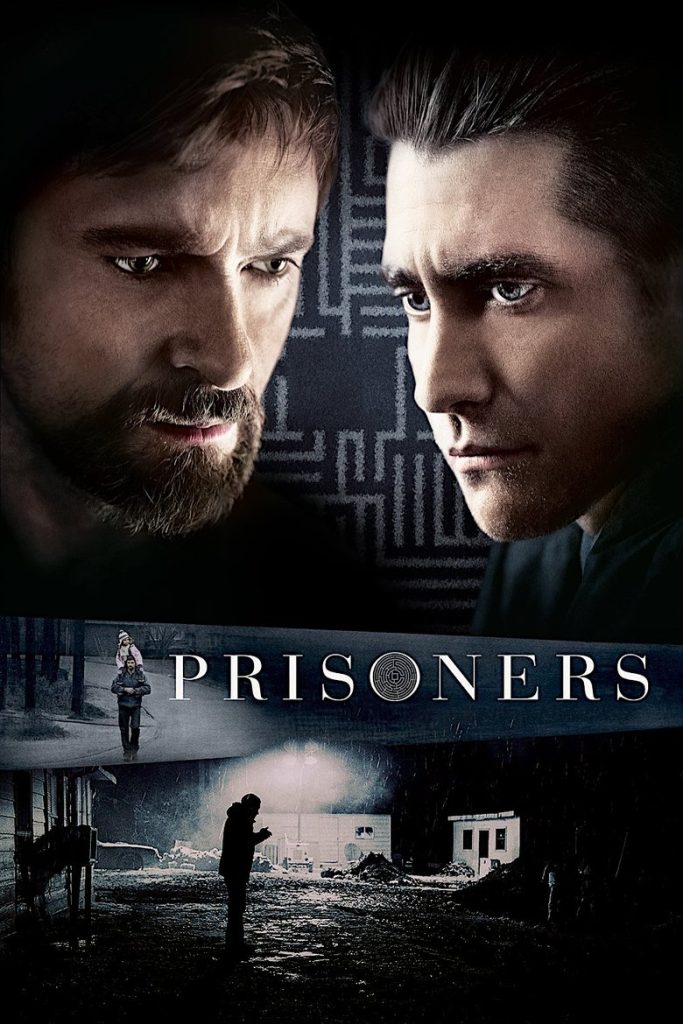
Prisoners is a tense thriller about two families whose young daughters go missing on Thanksgiving. As the police investigation stalls, one desperate father takes matters into his own hands while a determined detective follows every lead. The film explores themes of parental desperation, moral boundaries, and the psychological toll of uncertainty when children are in danger. It presents a gripping examination of how far people will go to protect their loved ones.
Parent Guide
A tense, mature thriller about missing children with strong violence and emotional intensity. Not suitable for children or young teens.
Content breakdown
Contains scenes of torture, violence against captives, and physical confrontations. Some violence is graphic and sustained.
Deals with the terrifying subject of missing children. Contains intense psychological tension, disturbing situations, and sustained dread.
Includes strong language throughout, with multiple uses of profanity in tense situations.
No sexual content or nudity present in the film.
Brief scenes include social drinking by adults in tense situations.
Sustained emotional distress, parental desperation, and psychological tension throughout the lengthy runtime.
Parent tips
This film is rated R for strong disturbing violence, language, and thematic elements. It deals with the terrifying subject of missing children and contains intense scenes of emotional distress, violence, and peril. The content is not suitable for children or young teens due to its mature themes and graphic elements.
Parents should be aware that the film includes scenes of torture, violence against captives, and psychological manipulation that could be deeply disturbing. The emotional intensity is sustained throughout the lengthy runtime, creating a heavy atmosphere of dread and desperation.
While the film has artistic merit and strong performances, its subject matter requires careful consideration before viewing. The R rating should be taken seriously, as the content is genuinely intense and not appropriate for younger audiences.
Parent chat guide
During viewing, be available to pause if needed to discuss reactions or answer questions. The film's length and tension might require breaks for processing. Pay attention to how the film's themes are affecting viewers emotionally.
After watching, create space for discussion about the moral questions raised in the film. Talk about healthy ways to process fear and anxiety about safety. Emphasize the difference between fictional drama and real-world safety measures, and reinforce that while the story is frightening, it's important to maintain perspective.
Parent follow-up questions
- What makes you feel safe when you're playing?
- Who are the people who help keep us safe?
- What should you do if you feel scared or lost?
- Why do you think the parents in the story were so worried?
- What are some ways our family stays safe together?
- How can we help friends who might feel scared or worried?
- What do you think about how the characters handled their fear and worry?
- Why is it important to follow safety rules even when we're in familiar places?
- How can stories like this help us think about being prepared without being too scared?
- What moral questions did the film raise about justice and desperation?
- How does the film explore the psychological impact of uncertainty and fear?
- What responsibility do communities have in keeping children safe, and what limits should there be on individual actions?
🎭 Story Kernel
Prisoners isn't just a kidnapping thriller—it's a brutal examination of moral corrosion. The film asks: How far would you go to save your child? Keller Dover's descent into torture mirrors the very evil he's fighting, blurring lines between victim and perpetrator. Detective Loki's obsessive pursuit represents society's need for order, yet even he's haunted by unsolved cases. The maze metaphor isn't just about the kidnapping—it's about the psychological labyrinths we enter when faced with unimaginable loss. Every character becomes trapped in their own version of imprisonment.
🎬 Visual Aesthetics
Roger Deakins' cinematography creates a world perpetually on the edge of twilight—gloomy, rain-soaked, and drained of warmth. The camera lingers on mundane suburban spaces until they feel claustrophobic. Notice how interiors are shot with shallow focus, trapping characters in their emotional states. The color palette shifts from Thanksgiving warmth to bleak winter grays as hope fades. Most striking is how violence happens just off-screen or in shadows—we hear more than we see, making the horror more psychological than graphic.
🔍 Details & Easter Eggs
💡 Behind the Scenes
Hugh Jackman improvised the emotional breakdown scene where Keller screams in the car—the raw intensity was so genuine it brought crew members to tears. The film was shot during an unusually rainy Pennsylvania winter, with the constant precipitation becoming a character itself. Roger Deakins used special filters to maintain consistent gloomy lighting despite changing weather conditions. Jake Gyllenhaal based Detective Loki's blinking tic on a real person he observed, adding to the character's obsessive nature.
Where to watch
Choose region:
- FilmBox+
- Amazon Video
- Apple TV
- Google Play Movies
- YouTube
- Fandango At Home
Trailer
Trailer playback is unavailable in your region.