Procession (2021)
Story overview
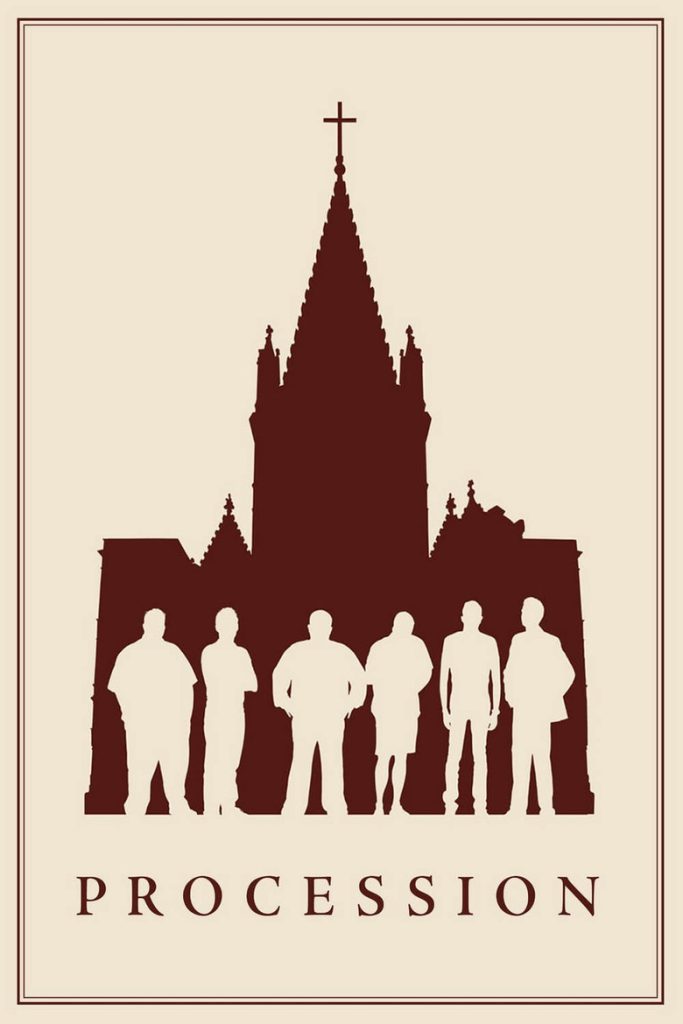
Procession is a 2021 documentary directed by Robert Greene that follows six adult men who were sexually abused by Catholic clergy as children. The film documents their therapeutic process of creating short films based on their traumatic experiences, using art and collaboration to confront their past and find healing. The documentary focuses on their emotional journey, creative expression, and the psychological impact of childhood sexual abuse.
Parent Guide
This documentary contains mature, emotionally intense content about childhood sexual abuse and trauma. It is not suitable for children or young teens. The R rating is appropriate due to the explicit discussions of abuse and its psychological consequences.
Content breakdown
No physical violence is shown, but there are verbal descriptions of sexual abuse and psychological harm. The peril is emotional rather than physical.
Extremely disturbing due to detailed discussions of childhood sexual abuse, trauma, and emotional suffering. The psychological impact is graphically described, which may be deeply unsettling for viewers.
Occasional strong language related to emotional expression, but not excessive. The focus is on emotional content rather than profanity.
Explicit discussions of childhood sexual abuse, though no visual depictions of sexual acts or nudity. The descriptions are graphic and detailed regarding the abuse experiences.
No substance use shown or discussed in the film.
Extremely high emotional intensity throughout. The film deals with trauma, grief, anger, and healing in a raw, unflinching manner. Viewers may experience strong emotional reactions.
Parent tips
This documentary deals explicitly with childhood sexual abuse and trauma. It contains detailed discussions of abuse, emotional distress, and the long-term psychological effects on survivors. The R rating reflects mature themes that require careful consideration. Parents should watch this film themselves first before deciding if it's appropriate for their family. The content is emotionally intense and may be triggering for some viewers, including those with personal experiences of abuse.
Parent chat guide
Parent follow-up questions
—
—
- What does 'healing' mean when someone has been hurt?
- How can art help people express difficult feelings?
- Why is it important to tell a trusted adult if something bad happens?
- How does the film show the long-term impact of childhood trauma?
- What role does creative expression play in processing difficult experiences?
- How do institutions sometimes fail to protect vulnerable people?
- What resources exist for survivors of abuse?
🎭 Story Kernel
Robert Greene's 'Procession' is not about exposing the crimes of Catholic clergy, but about exploring the radical therapeutic potential of art. The film's true subject is the process of reclamation—how six survivors of childhood sexual abuse use filmmaking as a tool to re-enter and re-author their traumatic memories. The driving force isn't justice in a legal sense, but agency in a psychological one. By directing scenes based on their experiences, they transform from passive victims into active creators, confronting locations and archetypes (the priest, the church basement) not to find answers, but to rob them of their paralyzing power. The film argues that healing can be a collaborative, creative act, not a solitary journey toward a fixed point of 'recovery.'
🎬 Visual Aesthetics
Greene employs a deliberate, observational style that blurs the lines between documentary, therapy session, and film set. The camera often sits static, holding on faces as they process intense emotion during scene rehearsals, creating a raw, unfiltered intimacy. The color palette is muted and naturalistic, grounding the film in a stark reality that contrasts with the heightened, dramatized scenes the men create. Crucially, Greene frequently shows the filmmaking apparatus—lights, cameras, crew—reminding us we are witnessing a constructed process. This meta-layer reinforces the core theme: they are building a new narrative framework to contain their pain. The visual language is one of careful, respectful witnessing, not sensationalist exposition.
🔍 Details & Easter Eggs
💡 Behind the Scenes
Director Robert Greene, known for hybrid documentaries, worked closely with therapist Monica Phinney, who was on set throughout the shoot to provide immediate support to the participants. The film was shot in Kansas City, Missouri, near where the survivors grew up, adding a layer of geographical authenticity to their re-enactments. The participants (Mike Foreman, Joe Eldred, Dan Laurine, Ed Gavagan, Michael Sandridge, and Tom Viviano) are not professional actors; their raw performances in the scenes they devised are central to the film's emotional power. Greene's approach required building immense trust, with the survivors having significant control over how their stories were framed and filmed.
Where to watch
Choose region:
- Netflix
- Netflix Standard with Ads
Trailer
Trailer playback is unavailable in your region.