
Prometheus (2012)
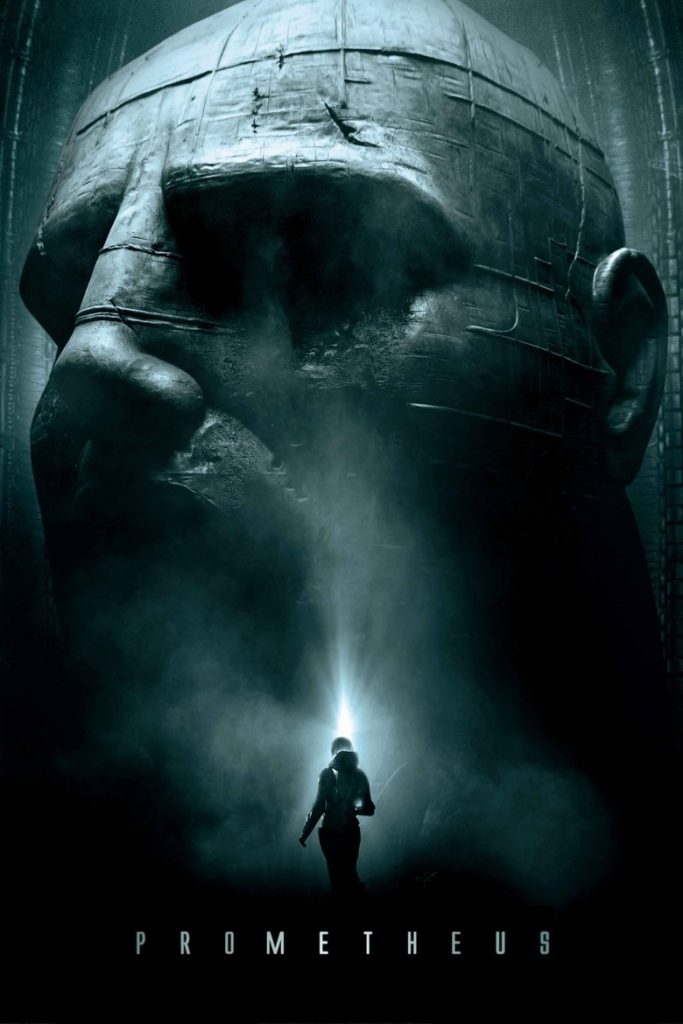
Story overview
Prometheus is a 2012 science fiction adventure mystery film directed by Ridley Scott. The story follows a team of explorers who discover an ancient star map that leads them on a journey to a distant moon in search of humanity's origins. What they find instead are terrifying alien lifeforms and secrets that threaten not only their mission but the future of humanity itself. The film explores themes of creation, faith, and the dangers of seeking answers to questions we may not be prepared to handle.
Parent Guide
Prometheus is an intense R-rated sci-fi horror film that explores deep philosophical questions through graphic and disturbing imagery. While visually stunning and intellectually engaging for mature viewers, it contains content that is inappropriate for children and younger teens.
Content breakdown
Graphic violence includes: alien creatures bursting from human bodies, characters being burned alive with flamethrowers, impalement by alien organisms, surgical procedures gone wrong, characters being crushed or dismembered, and intense life-or-death peril throughout. Medical horror includes a self-performed cesarean section to remove an alien organism.
Extremely disturbing body horror, grotesque alien designs, tense atmospheric horror, jump scares, and psychological terror. The film features decaying alien corpses, transformation sequences, and medical horror that many viewers find deeply unsettling. Themes of existential dread and human insignificance add to the disturbing nature.
Some strong language including 'f**k', 's**t', 'hell', 'damn', and 'god damn'. Language is not excessive but occurs in tense situations.
Brief non-sexual nudity during a medical procedure (cesarean section scene shows upper body). Some sensual undertones in human-android interactions but no explicit sexual content.
Social drinking in one scene where characters have alcoholic beverages. No depiction of intoxication or substance abuse.
High emotional intensity throughout with themes of mortality, betrayal, sacrifice, and existential crisis. Characters face extreme fear, desperation, and psychological trauma. The film explores heavy philosophical questions about human purpose and origins that can be emotionally challenging.
Parent tips
This R-rated film contains intense sci-fi horror elements including graphic body horror, disturbing medical procedures, and violent alien encounters. The film deals with mature themes about human origins and mortality that may be confusing or frightening for younger viewers. Parents should be aware of strong language, brief nudity in a medical context, and scenes of extreme peril. The film's philosophical questions about creation and existence may spark interesting discussions with older teens.
Parent chat guide
Parent follow-up questions
—
—
- What was the scariest part for you?
- Why do you think the scientists wanted to find the Engineers?
- What would you have done differently if you were on the spaceship?
- What do you think the movie was saying about the relationship between creators and their creations?
- How did the film use body horror to explore themes of transformation and mortality?
- What ethical questions did the movie raise about scientific exploration?
- How did the different characters represent different approaches to faith and science?
- What did you think about the ending and what it might mean for humanity's future?
🎭 Story Kernel
Prometheus isn't about finding alien life—it's about the catastrophic arrogance of creation. The central drive isn't scientific curiosity, but a desperate, narcissistic need for validation. Weyland seeks his 'fathers' to demand immortality, Shaw seeks hers to understand her faith, and the Engineers created humanity only to later design a weapon to destroy it. The film explores creation as an act of violence and disappointment. When David asks Holloway what he's willing to do to get answers, he's articulating the film's core question: how much of our humanity will we sacrifice in pursuit of meaning that might not exist? The characters are driven by different forms of the same existential hunger, making their discoveries all the more devastating.
🎬 Visual Aesthetics
Ridley Scott crafts a visual language of sterile perfection masking biological horror. The Prometheus ship gleams with clinical white surfaces that gradually become stained with blood and alien fluids—a visual metaphor for contamination. The holographic interfaces and surgical pods present technology as beautiful but ultimately cold and inhuman. The Engineers' architecture features massive, organic curves that dwarf human characters, emphasizing our insignificance. The color palette shifts from the cool blues and whites of the ship to the warm, earthy tones of the alien structures, then to the visceral reds of the medical bay sequence. Scott uses wide shots to emphasize isolation and claustrophobic close-ups during moments of bodily violation, creating a constant tension between vast cosmic spaces and intimate horror.
🔍 Details & Easter Eggs
💡 Behind the Scenes
Michael Fassbender based David's movements and demeanor on the android from Alien, Greg from The Brady Bunch, and Peter O'Toole in Lawrence of Arabia. The giant head sculpture in the Engineer's chamber was a practical effect weighing over a ton, requiring special rigging. Noomi Rapace performed the cesarean scene herself without a body double—the practical effects team created a transparent belly prosthetic showing the alien fetus inside. The film was shot with 3D cameras specifically designed for the production, with Ridley Scott insisting on natural lighting in the alien structures to maintain atmospheric authenticity.
Where to watch
Choose region:
- HBO Max
- HBO Max Amazon Channel
- Amazon Video
- Apple TV Store
- Google Play Movies
- YouTube
- Fandango At Home
Trailer
Trailer playback is unavailable in your region.