Psycho (1960)
Story overview
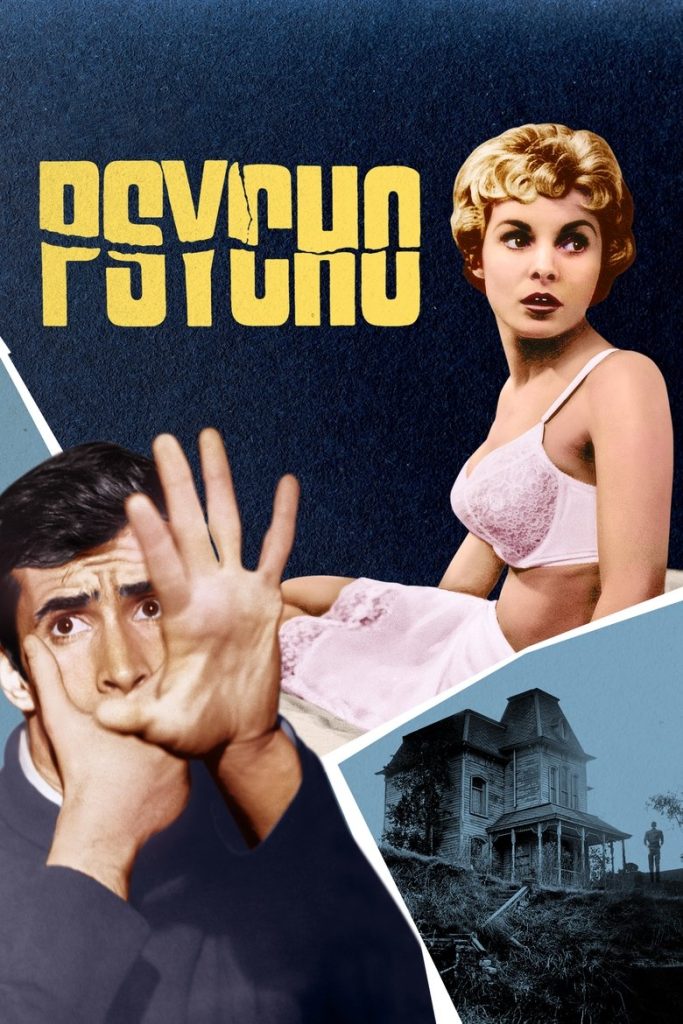
This classic psychological thriller follows a woman who steals money and seeks refuge at a remote motel. The motel's manager appears friendly but has a complicated relationship with his mother. The story explores themes of deception, mental instability, and unexpected danger in seemingly ordinary places.
Parent Guide
A psychological horror classic with intense themes and suspenseful scenes that require mature understanding.
Content breakdown
Contains sudden violent attacks including a famous shower scene, though not graphically gory. Psychological peril and threat throughout.
Intense psychological horror, suspenseful atmosphere, themes of mental instability, and disturbing revelations.
Minimal strong language by modern standards.
Brief suggestive content and partial nudity in the shower scene.
No notable substance use depicted.
High tension, suspense, and psychological distress throughout the narrative.
Parent tips
This film contains intense psychological horror elements that may be disturbing for younger viewers. The famous shower scene involves sudden violence, though it's not graphically gory by modern standards. The central character's mental health issues and the film's exploration of deception and murder make it suitable only for mature audiences who can handle psychological tension.
Parents should be aware that the film creates suspense through atmosphere, music, and suggestion rather than explicit violence. The themes of mental illness and the twist ending could be confusing or frightening for children. The R rating reflects the mature psychological content rather than graphic violence or language.
Parent chat guide
During viewing, pause if children seem overwhelmed by tension and ask how the film makes them feel. Point out how the director builds suspense without showing graphic violence.
After watching, discuss how the film handles themes of deception and mental health. Ask what elements made the story suspenseful and how the characters' decisions affected the plot.
Parent follow-up questions
- What parts of the movie made you feel scared?
- What would you do if you felt unsafe somewhere?
- How can you tell if someone is being honest?
- Why do you think the characters made the choices they did?
- How did the music and sounds affect how you felt during the movie?
- What makes a place feel safe or unsafe?
- How does the film create suspense without showing everything?
- What do you think about how the movie portrays mental health?
- Why do you think this movie is considered a classic?
- How does the film explore themes of deception and appearance versus reality?
- What techniques does the director use to build psychological tension?
- How does the film's historical context affect how we view it today?
🎭 Story Kernel
At its core, 'Psycho' explores the disintegration of identity and the monstrous potential lurking beneath societal norms. Norman Bates isn't driven by supernatural evil but by a tragically fractured psyche—a son consumed by his mother's domineering presence. The real horror isn't the violence itself but how ordinary people can compartmentalize monstrous acts. Marion Crane's theft sets the plot in motion, but the film reveals how we all carry secret shames that make us vulnerable. Hitchcock suggests that sanity is a fragile construct, easily shattered by unresolved trauma and desperate attempts to maintain normalcy.
🎬 Visual Aesthetics
Hitchcock's visual language creates unease through calculated restraint. The black-and-white cinematography isn't just period-appropriate—it emphasizes moral ambiguity and psychological shadows. The famous shower scene's rapid editing (78 cuts in 45 seconds) fragments reality much like Norman's fractured mind. Bernard Herrmann's screeching violin score becomes a visual element in itself, painting anxiety across the screen. Notice how the camera often acts as a voyeur, peering through windows and keyholes, implicating the audience in the violation of privacy. The Bates house's vertical lines and the motel's horizontal ones create visual tension mirroring Norman's internal conflict.
🔍 Details & Easter Eggs
💡 Behind the Scenes
Anthony Perkins was so committed to Norman Bates that he suggested the character's nervous habit of chewing candy corn, which Hitchcock kept. The shower scene used chocolate syrup as blood since it photographed better in black-and-white. Janet Leigh developed a lifelong fear of showers after filming. Hitchcock bought the rights to Robert Bloch's novel anonymously to keep prices low, then purchased every available copy to preserve plot secrecy. The entire production cost only $800,000 but revolutionized horror cinema forever.
Where to watch
Choose region:
- TCM
- Amazon Video
- Apple TV
- Google Play Movies
- YouTube
- Fandango At Home
- Spectrum On Demand
Trailer
Trailer playback is unavailable in your region.