
Pulp Fiction (1994)
Story overview
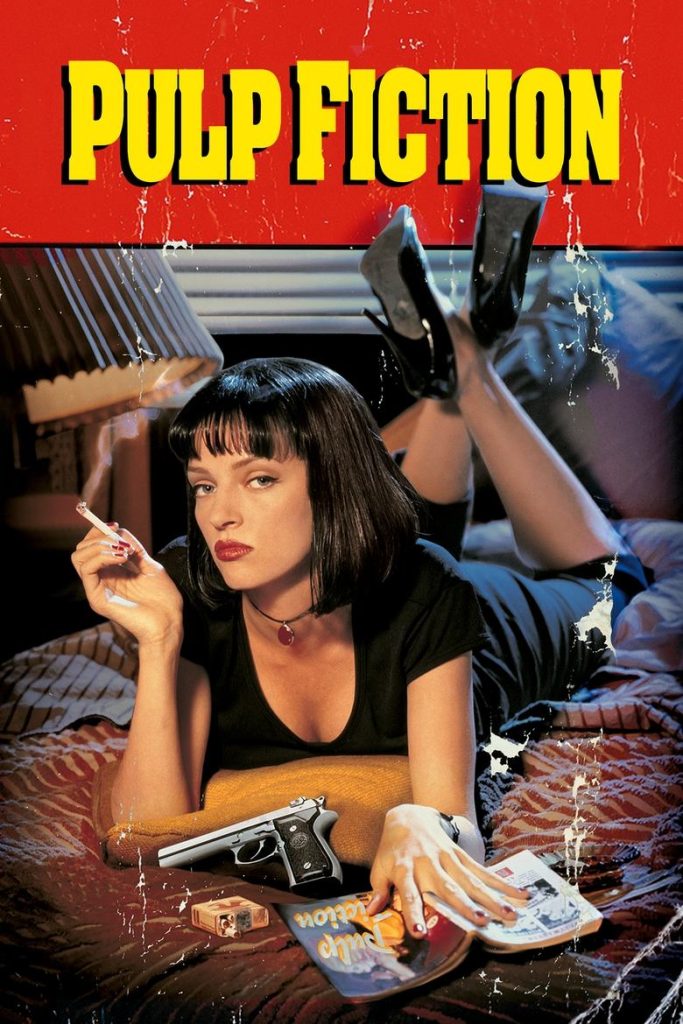
Pulp Fiction is a stylized crime film that weaves together multiple interconnected stories involving hitmen, criminals, and other underworld figures. The narrative unfolds in a non-linear fashion, jumping between different time periods and perspectives. The film blends intense violence with dark humor and philosophical dialogue, creating a unique cinematic experience that has become highly influential.
Parent Guide
This film contains intense mature content including graphic violence, strong language, drug use, and sexual references that require significant parental discretion.
Content breakdown
Frequent graphic violence including shootings, stabbings, torture, and blood effects. Characters are killed and injured in realistic ways.
Intense situations and psychological tension throughout. Some scenes involve captivity and implied threats.
Pervasive strong profanity including racial slurs and sexual references throughout dialogue.
Sexual dialogue and references. Brief suggestive dancing. No explicit nudity shown.
Frequent drug use including injection, snorting, and smoking. Characters are shown under the influence.
High tension throughout with morally complex situations and sudden violent outbursts.
Parent tips
This film contains very strong violence including shootings, stabbings, and graphic injuries, along with pervasive strong language and drug use. The R rating is appropriate as the content is unsuitable for viewers under 17 without parental guidance. Parents should be aware that the film's non-linear structure and mature themes require significant emotional maturity to process.
Parent chat guide
Parent follow-up questions
- What colors did you see in the movie?
- Did you hear any music you liked?
- What was your favorite part to watch?
- How did the movie make you feel?
- What do you think the movie was about?
- How did the characters talk to each other?
- What parts seemed real and what parts seemed like a movie?
- Would you want to be friends with any of the characters?
- Why do you think the story was told out of order?
- What messages did you get about violence in the movie?
- How did the music affect different scenes?
- What choices did characters make that had consequences?
- How does the film's structure affect your understanding of the story?
- What commentary does the film make about crime and morality?
- How does the dialogue contribute to character development?
- What cinematic techniques stood out to you and why?
🎭 Story Kernel
At its core, 'Pulp Fiction' explores the fragile line between chance and destiny within a criminal underworld. The film argues that redemption and damnation are often arbitrary, determined by split-second decisions rather than moral character. Characters are driven by primal needs—Vincent seeks validation through cool detachment, Jules searches for spiritual meaning in violence, Butch pursues masculine honor through betrayal, and Mia craves escape from her gilded cage. The non-linear structure dismantles traditional cause-and-effect, suggesting that in this universe, consequences are cyclical rather than linear, and grace can appear in the most profane moments.
🎬 Visual Aesthetics
Tarantino crafts a hyper-stylized Los Angeles through deliberate visual choices. The camera often adopts a low-angle perspective, elevating characters to mythic status while trapping them in their environments. The color palette favors warm, saturated tones—especially the iconic yellows and oranges—that create a nostalgic, almost dreamlike quality contrasting with the brutality. Action sequences are shot with a steady, observational camera that refuses to glorify violence, instead presenting it as mundane and messy. The recurring motif of characters framed in doorways and through windows visually reinforces their isolation and the barriers between their intersecting lives.
🔍 Details & Easter Eggs
💡 Behind the Scenes
The iconic dance scene between Vincent and Mia was largely improvised—Travolta drew from his disco experience, while Thurman's awkward charm emerged from her genuine discomfort with the choreography. The mysterious briefcase's glowing contents were created simply with a light bulb and orange gel paper. Harvey Keitel's character Winston Wolfe was written specifically for him after Tarantino admired his work in 'Mean Streets.' The film's famous adrenaline shot to the heart was medically inaccurate but became so iconic that emergency departments reportedly received calls from people attempting to replicate it.
Where to watch
Choose region:
- Netflix
- Paramount+ Amazon Channel
- Paramount+ Roku Premium Channel
- Netflix Standard with Ads
- Paramount Plus Essential
- Paramount Plus Premium
- Amazon Video
- Apple TV
- Google Play Movies
- YouTube
- Fandango At Home
- Spectrum On Demand
- Plex
Trailer
Trailer playback is unavailable in your region.