
Qala (2022)
Story overview
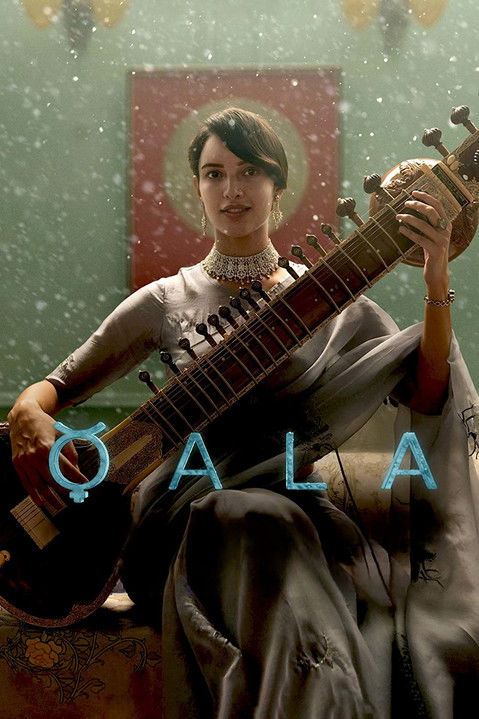
Qala is a 2022 Indian drama film about a talented young singer named Qala who struggles with the pressures of her rising music career. Haunted by past traumas and her mother's critical disapproval, she battles internal voices of doubt while navigating the demanding entertainment industry. The film explores themes of mental health, family conflict, artistic pressure, and self-acceptance through emotional storytelling and musical performances.
Parent Guide
Qala is an emotionally intense drama that explores mental health struggles, family conflict, and artistic pressure. While lacking graphic violence or explicit content, its mature themes and psychological intensity make it most appropriate for older teens and adults who can process complex emotional narratives.
Content breakdown
No physical violence shown. Some tense emotional confrontations and psychological distress. One scene shows a character experiencing a panic attack. References to past trauma and emotional abuse.
Psychological distress is central to the plot. Scenes depicting anxiety, depression, and emotional breakdowns. Haunting flashbacks and disturbing memories. The film creates an atmosphere of psychological tension rather than traditional scares.
Minimal strong language. Some emotional outbursts and heated arguments. The original Hindi dialogue may contain culturally specific expressions that convey frustration or distress.
No sexual content or nudity. The focus is entirely on emotional and psychological themes. Some scenes show characters in traditional performance attire appropriate for musical settings.
No depiction of substance use. Characters may drink tea or water in social settings, but no alcohol, drugs, or smoking shown.
High emotional intensity throughout. Themes of depression, anxiety, parental rejection, and psychological trauma. Characters experience significant emotional distress, breakdowns, and internal conflict. The film creates a heavy emotional atmosphere that could be overwhelming for younger viewers.
Parent tips
This film deals with mature themes including mental health struggles, emotional abuse, and parental pressure. While there's no graphic violence or explicit content, the psychological intensity and emotional weight make it more suitable for older teens and adults. Parents should be prepared to discuss themes of perfectionism, family expectations, and mental wellness if watching with mature teenagers.
Parent chat guide
Parent follow-up questions
—
—
—
- What emotions did you notice Qala experiencing throughout the film?
- How did her relationship with her mother affect her mental health?
- What messages about success and pressure did you take from the story?
- What would you do differently if you were in Qala's situation?
- How does the film show the importance of mental health awareness?
🎭 Story Kernel
At its core, 'Qala' is a devastating exploration of intergenerational trauma and the psychological violence of conditional maternal love. The film's true engine isn't Qala's ambition, but her mother Urmila's pathological transference of her own failed dreams and grief for her deceased son onto her daughter. Every choice Qala makes—from her career to her romantic entanglement with Jagan—is a desperate, twisted attempt to earn a love that was poisoned from the start. The narrative masterfully reveals that Qala's pursuit of validation in the male-dominated music industry is merely a surface symptom; the real battleground is the childhood bedroom where her mother's favoritism for her brother forged an unbreakable chain of inadequacy. The film posits that some inheritances aren't wealth or talent, but wounds that never scar over.
🎬 Visual Aesthetics
The film's visual language is a chilling character study in itself. Director Anvita Dutt employs a stark, almost painterly contrast between warm, golden-hued flashbacks of Qala's childhood—which feel like gilded cages—and the cold, blue-tinged present of her success, emphasizing her emotional isolation. The camera often frames Qala in tight close-ups or through mirrors and windows, visually trapping her within her own psyche and the expectations of others. The recurring visual motif of snow is brilliantly dualistic: it represents the pristine, silent world of classical music she inhabits, but also the emotional frost and mental decay slowly consuming her. The climactic scenes use disorienting, swirling camera movements to externalize her psychological unraveling, making her internal chaos viscerally palpable.
🔍 Details & Easter Eggs
💡 Behind the Scenes
The film is a spiritual successor to director Anvita Dutt's previous film 'Bulbbul', also exploring trauma through a female lens within a period setting. Actress Triptii Dimri, who plays Qala, reportedly learned Hindustani classical vocals for months to lend authenticity to her performance, though the complex songs were voiced by playback singer Shashaa Tirupati. The haunting soundtrack, composed by Amit Trivedi, uses traditional Indian instruments in unconventional, sometimes dissonant ways to mirror Qala's fractured mental state. Much of the film was shot in real, heritage locations in Himachal Pradesh during winter, with the extreme cold becoming a tangible character that influenced the actors' performances, adding a layer of physical harshness to the emotional narrative.
Where to watch
Choose region:
- Netflix
- Netflix Standard with Ads
Trailer
Trailer playback is unavailable in your region.