
Rab Ne Bana Di Jodi (2008)
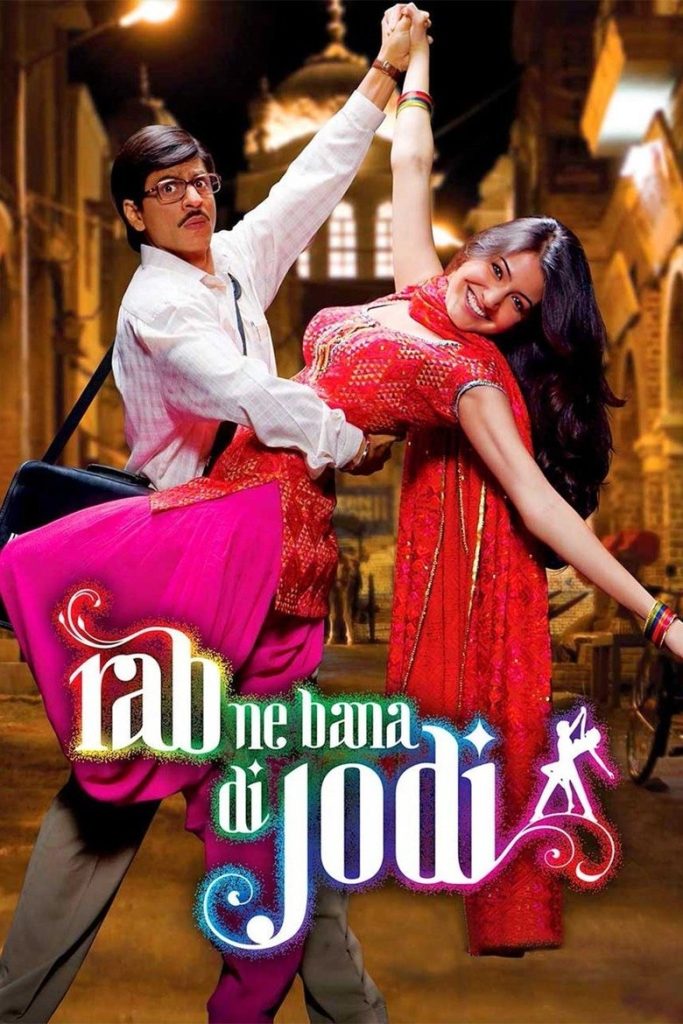
Story overview
Rab Ne Bana Di Jodi is a 2008 Indian romantic comedy-drama about an ordinary, shy man who falls in love with his vibrant, outgoing wife. Through a series of events, he adopts a different persona to connect with her, leading to humorous and heartfelt situations. The film explores themes of love, identity, and self-acceptance within a marriage, blending lighthearted comedy with emotional moments.
Parent Guide
A gentle romantic comedy suitable for most families, with positive messages about love and self-acceptance.
Content breakdown
No violence or physical danger depicted.
No frightening or disturbing content.
No offensive language.
Mild romantic themes and brief, non-explicit references to relationships.
No depiction of substance use.
Some emotional moments related to relationships and self-discovery, handled gently.
Parent tips
This film is generally family-friendly but contains some emotional themes about relationships and identity that may require explanation for younger viewers. The romantic elements are mild and appropriate for most ages, focusing on emotional connection rather than physical intimacy. Parents should be aware that the story involves deception as a plot device, which could prompt discussions about honesty in relationships.
Parent chat guide
Parent follow-up questions
- What was your favorite song or dance in the movie?
- How did the characters show they cared about each other?
- What made you laugh during the film?
- Which character did you like best and why?
- What colors or clothes did you notice in the movie?
- Why do you think the main character pretended to be someone else?
- How did the wife show kindness to her husband?
- What lessons about friendship did you see in the movie?
- How did music help tell the story?
- What would you do if you wanted to make a new friend?
- What does the film teach us about being true to ourselves?
- How did the characters' different personalities affect their relationship?
- What role does honesty play in building trust between people?
- How does the movie show that people can change and grow?
- What makes a marriage or partnership work well according to this story?
- How does the film explore the tension between tradition and personal desire?
- What commentary does the movie make about societal expectations in relationships?
- How do the characters navigate cultural norms while pursuing happiness?
- What does the story suggest about the balance between individuality and compromise in relationships?
- How does the film use humor to address serious themes about identity and love?
🎭 Story Kernel
At its core, 'Rab Ne Bana Di Jodi' is a profound exploration of authentic selfhood versus performative identity in the context of modern Indian marriage. The film interrogates whether love is earned through grand, external gestures or recognized in the quiet, consistent devotion of a genuine personality. Surinder's transformation into Raj isn't about deception, but about accessing a suppressed, more expressive side of himself to meet Taani's emotional wavelength. The driving force is his desperate, selfless love that prioritizes Taani's happiness—even if it means she falls for an idealized version of him—over his own need for recognition. The climax reveals that true connection transcends both the ordinary 'Suri' and the flamboyant 'Raj'; it's the synthesis of his complete, loving soul that Taani ultimately embraces.
🎬 Visual Aesthetics
The film employs a deliberate visual dichotomy to mirror its thematic conflict. Surinder's world is framed in static, medium shots with a muted, beige-and-brown color palette, reflecting his orderly, subdued life. In stark contrast, Raj's sequences burst with dynamic, handheld camerawork, saturated colors (especially vibrant yellows and reds), and energetic dance sequences that literally and figuratively 'move' the frame. The transformation scenes are key—the camera often lingers on Surinder's meticulous process of becoming Raj, focusing on details like the wig, mustache, and clothing, making the artifice visually tangible. This isn't just a change of costume but a cinematic shift in energy, emphasizing that Raj is a performance, a character within the character.
🔍 Details & Easter Eggs
💡 Behind the Scenes
The film marked the directorial debut of Aditya Chopra, who hadn't directed since 'Mohabbatein' (2000). Anushka Sharma was a complete newcomer, discovered through a nationwide modeling contest. A key challenge was maintaining Shah Rukh Khan's dual-role disguise; the 'Raj' look, especially the mustache and hairstyle, was tested extensively to ensure it was convincing enough for Taani (and the audience) to not recognize Surinder. The iconic yellow Patiala suit worn by Taani during the 'Phir Milenge Chalte Chalte' sequence became a major fashion trend. Interestingly, the film's working title was reportedly 'Band Baaja Bride', but was changed to the more thematic 'Rab Ne Bana Di Jodi' (A Match Made by God).
Where to watch
Choose region:
- Netflix
- Netflix Standard with Ads
- Apple TV
- Google Play Movies
- YouTube