
Ratcatcher (1999)
Story overview
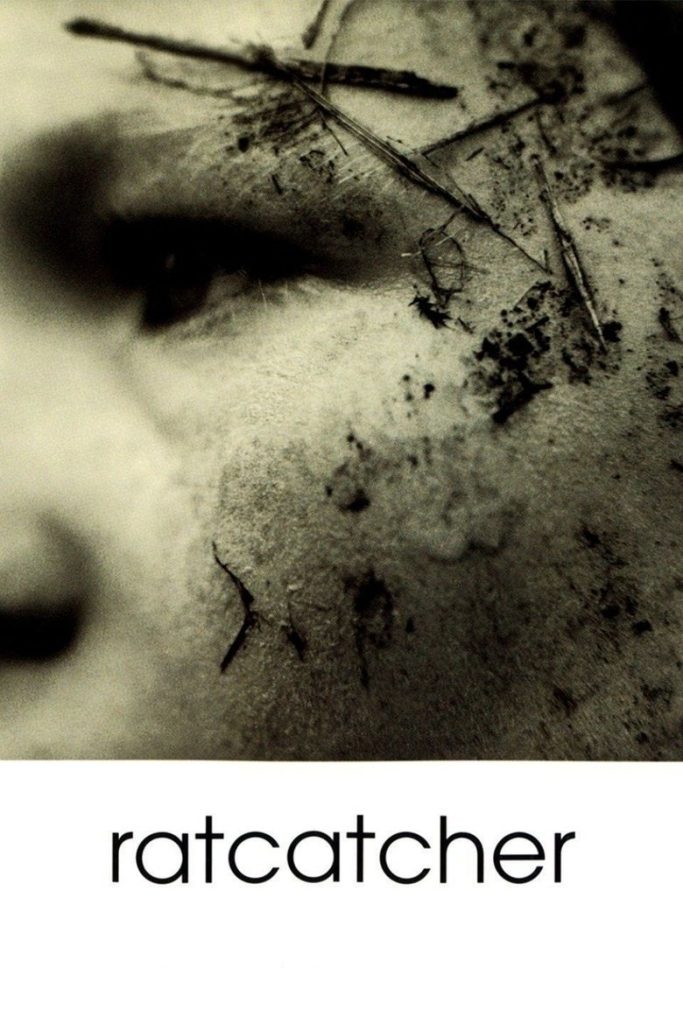
Ratcatcher is a 1999 drama film set in a working-class neighborhood during a garbage strike. The story follows a young boy navigating the challenges of his environment, exploring themes of childhood, poverty, and resilience. Through his perspective, the film portrays the struggles and small moments of hope in a difficult setting.
Parent Guide
A serious drama with mature themes about poverty and childhood resilience. Best for teenagers who can process complex social issues.
Content breakdown
Some tense situations and realistic portrayals of difficult living conditions
Themes of poverty and hardship may be emotionally challenging for sensitive viewers
Realistic dialogue appropriate to the setting
No significant sexual content or nudity
No notable substance use depicted
Serious themes and realistic portrayal of hardship create emotional weight
Parent tips
This film deals with mature themes related to poverty and difficult living conditions that may be challenging for younger viewers. Parents should be prepared to discuss the realistic portrayal of hardship and its emotional impact. The film's slow pace and serious tone make it more suitable for older children and teenagers who can process complex social issues.
Parent chat guide
Parent follow-up questions
- What did you notice about where the children played?
- How did the characters show they cared about each other?
- What colors or sounds did you remember from the movie?
- What was your favorite part of the story?
- How did the movie make you feel?
- What challenges did the main character face in his neighborhood?
- How did the characters help each other during difficult times?
- What did you learn about different ways people live?
- How did the setting affect the characters' daily lives?
- What would you do if you lived in that environment?
- How does the film show the impact of poverty on childhood?
- What responsibilities did the young characters have in their community?
- How did the film portray resilience and hope in difficult circumstances?
- What social issues does this film help us understand better?
- How does the cinematography contribute to the film's mood?
- How does the film use realism to comment on social inequality?
- What commentary does the film make about community and isolation?
- How does the protagonist's perspective shape our understanding of his world?
- What artistic choices enhance the film's emotional impact?
- How does this film compare to other coming-of-age stories in different settings?
🎭 Story Kernel
At its core, 'Ratcatcher' explores the suffocating weight of guilt and the desperate search for escape within a powerless existence. The film isn't about a single tragic event but about the psychological aftermath that traps 12-year-old James Gillespie. His accidental role in a friend's drowning becomes the central, unspoken trauma that colors every interaction. The narrative is driven by James's internal struggle—his guilt manifests as a withdrawn silence, a fascination with the titular vermin, and a yearning for the mythical new housing development, a symbol of cleanliness and escape from the literal and moral filth of his Glasgow tenement life during the 1973 binmen strike. The characters are propelled by a collective powerlessness against their squalid environment, where small acts of cruelty or tenderness become monumental in the absence of any larger hope.
🎬 Visual Aesthetics
Lynne Ramsay's visual language is one of stark, poetic realism. The camera often adopts James's perspective, creating an intimate, ground-level view of the world. The color palette is dominated by muted browns, greys, and the dull yellow of straw, immersing us in the grime of the garbage-strewn canals and tenements. This drabness makes moments of visual poetry—like James burying himself in the golden wheat field near the new houses, or the slow-motion shot of a mouse balloon tied to a string floating skyward—feel transcendent. The symbolism is potent but never forced: the rats represent the pervasive, inescapable filth, while the stagnant canals mirror the stagnant lives and the hidden, submerged guilt that James carries.
🔍 Details & Easter Eggs
💡 Behind the Scenes
Lynne Ramsay's feature debut is semi-autobiographical, drawing on her own memories of growing up in Glasgow during the 1970s. The young lead, William Eadie, was a non-professional actor discovered by Ramsay in a Glasgow shopping centre. The film was shot on location in Glasgow, with the notorious Govanhill and Sighthill areas standing in for the 1973 setting. The production meticulously recreated the period, including the piles of uncollected garbage resulting from the real-life strike by dustmen (garbage collectors) that occurred in Glasgow in the early 1970s, which forms the film's oppressive backdrop.
Where to watch
Choose region:
- HBO Max
- HBO Max Amazon Channel
- Criterion Channel
- Fandango At Home
Trailer
Trailer playback is unavailable in your region.