
Raya and the Last Dragon (2021)
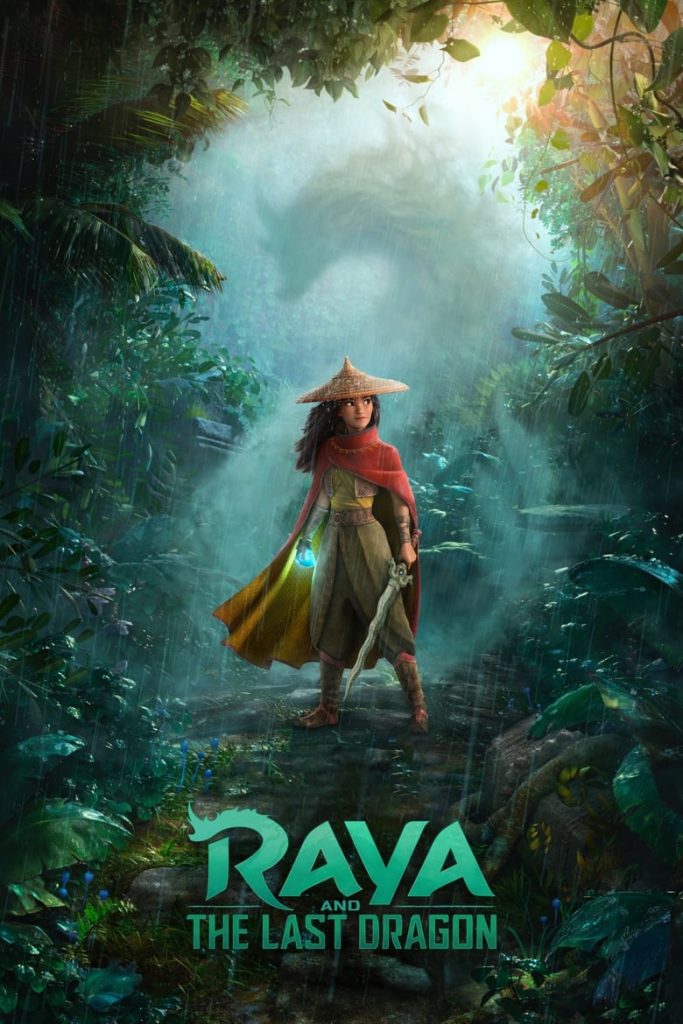
Story overview
Raya and the Last Dragon is a 2021 animated fantasy adventure set in the world of Kumandra, where humans and dragons once coexisted peacefully. After an ancient evil force returns, a young warrior named Raya embarks on a quest to find the last surviving dragon and heal her divided homeland. The film explores themes of trust, unity, and perseverance as Raya faces challenges and works to bring people together against a common threat.
Parent Guide
An animated fantasy adventure with moderate action and emotional themes about trust and unity.
Content breakdown
Fantasy action includes martial arts-style combat, magical attacks, and perilous situations. Characters face threats and some tense chase sequences.
Some dark magical elements and creature designs might be momentarily unsettling for sensitive viewers. Themes of betrayal and loss are present.
No concerning language noted.
No sexual content or nudity.
No substance use depicted.
Themes of loss, distrust, and sacrifice create emotional moments. Characters experience betrayal and must make difficult choices.
Parent tips
This PG-rated animated adventure contains moderate fantasy action and peril that may be intense for younger viewers. Scenes include martial arts-style combat, magical threats, and moments where characters face danger or betrayal. The emotional themes of loss, distrust, and sacrifice are woven throughout the story, which may resonate differently with children depending on their sensitivity.
Parents should be aware that the film deals with themes of division and conflict between different groups, which could prompt discussions about cooperation and understanding. The story emphasizes the importance of trust and unity, but also shows characters making difficult choices and facing consequences. The visual style is vibrant and engaging, with imaginative creature designs and action sequences typical of animated adventures.
Parent chat guide
This film provides opportunities to talk about trust, forgiveness, and what it means to be a leader. You could explore why characters sometimes struggle to cooperate and how they overcome those challenges. The fantasy elements allow for creative discussions about imagination and storytelling while connecting to real-world themes of community and responsibility.
Parent follow-up questions
- What was your favorite animal or creature in the movie?
- How did Raya show she was brave?
- What colors did you like seeing in the different places?
- How did the characters help each other?
- What made you laugh or smile during the story?
- Why was it hard for the different groups to trust each other?
- What did Raya learn about working with others on her journey?
- How did the characters show they cared about their home?
- What would you do if you had to help people who didn't agree?
- What part of the adventure was most exciting to you?
- What does the story suggest about how communities can heal after conflict?
- How do the characters balance their personal goals with what's best for everyone?
- What different types of courage do you see characters display?
- How does the film show that trust can be difficult but important?
- What leadership qualities does Raya develop throughout her journey?
- How does the film explore the concept of sacrifice for the greater good?
- What commentary might the story offer about societal divisions and reconciliation?
- How do the characters' perspectives on trust evolve throughout the narrative?
- What does the film suggest about the relationship between individual responsibility and community wellbeing?
- How are traditional hero's journey elements adapted in this story?
🎭 Story Kernel
At its heart, 'Raya and the Last Dragon' critiques tribalism through the lens of fantasy, arguing that collective survival hinges on vulnerability and shared sacrifice rather than hoarded power. Raya's journey from guarded warrior to bridge-builder mirrors the film's central thesis: unity isn't about erasing differences but embracing interdependence. The Druun, as a metaphor for societal decay, only dissipate when characters relinquish control—Sisu's naive optimism isn't weakness but a radical act of faith. The climax subverts typical heroics, emphasizing that saving the world requires giving up what you cherish most, a poignant commentary on modern polarization.
🎬 Visual Aesthetics
The film's visual language blends Southeast Asian motifs with dynamic, wuxia-inspired action, using a desaturated palette for the fractured lands that bursts into vibrancy as trust is restored. Water symbolism flows throughout—Sisu's fluid movements and the river sequences reflect emotional currents and renewal. Camera work in fight scenes emphasizes agility over brute force, mirroring Raya's evolving strategy from isolation to collaboration. Color-coding each tribe (like Kumandra's greens or Talon's blues) visually reinforces their identities, while the Dragon Gem's glow acts as a beacon of hope against the bleak, stone-gray Druun.
🔍 Details & Easter Eggs
💡 Behind the Scenes
The voice cast includes Awkwafina as Sisu, bringing improvisational humor that shaped the dragon's quirky persona, and Kelly Marie Tran as Raya, marking Disney's first Southeast Asian lead. Inspired by cultures like Laos, Thailand, and Vietnam, the production team conducted extensive research trips to ensure authentic representation in settings like the floating market of Talon. Directors Don Hall and Carlos López Estrada aimed to avoid a 'chosen one' narrative, focusing instead on community—a shift reflected in the script's multiple revisions to balance action with emotional depth.
Where to watch
Choose region:
- Disney Plus
- Amazon Video
- Apple TV
- Google Play Movies
- YouTube
- Fandango At Home
Trailer
Trailer playback is unavailable in your region.