
ReMastered: The Lion’s Share (2019)
Story overview
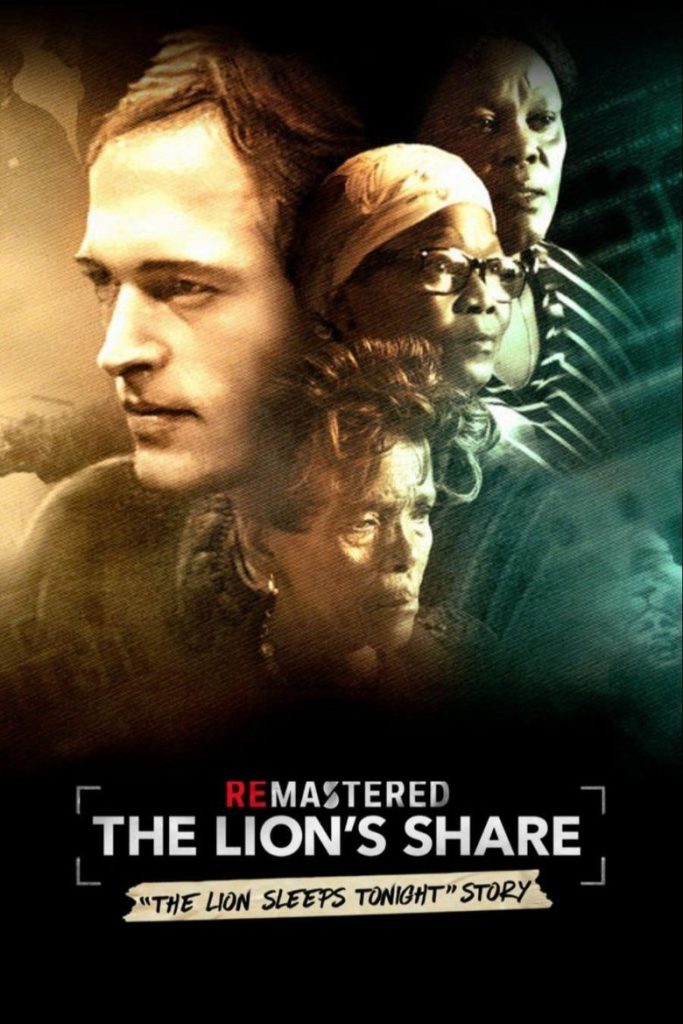
This documentary explores the story behind the famous song 'The Lion Sleeps Tonight,' originally written by South African musician Solomon Linda. It follows a journalist's investigation into how Linda's family was denied fair compensation for decades while the song generated millions in royalties for others. The film examines themes of copyright, cultural appropriation, and social justice in the music industry.
Parent Guide
A thought-provoking documentary about music history, copyright law, and social justice that's appropriate for older children and teens with guidance. The content is educational but deals with complex themes of exploitation and inequality.
Content breakdown
No physical violence or peril depicted. The conflict is legal and ethical rather than physical.
Some viewers might find the injustice suffered by the Linda family emotionally disturbing. Discussions of poverty and exploitation could be upsetting to sensitive children.
No offensive language noted in the documentary. The language is appropriate for all ages.
No sexual content or nudity present.
No depiction of substance use.
The documentary explores themes of injustice, exploitation, and family struggle that can be emotionally engaging. The Linda family's decades-long fight for recognition and compensation creates a narrative of perseverance against unfair systems.
Parent tips
This documentary deals with complex themes of copyright law, racial injustice, and corporate exploitation that may require explanation for younger viewers. The emotional content focuses on the Linda family's struggle for recognition and compensation rather than graphic or violent material. Consider watching together to discuss the historical and ethical issues presented.
Parent chat guide
Parent follow-up questions
- What was your favorite part of the movie?
- What animals did you see in the movie?
- What music did you like hearing?
- Why was the Linda family sad about the song?
- What does 'copyright' mean?
- How do you think the reporter helped the family?
- Why do you think it took decades for the Linda family to get compensation?
- What does 'cultural appropriation' mean in this context?
- How does the music industry sometimes take advantage of artists?
- What systemic factors allowed the exploitation of Solomon Linda's work to continue for so long?
- How does this case reflect broader issues of racial and economic inequality in entertainment?
- What ethical responsibilities do corporations have when profiting from cultural works?
🎭 Story Kernel
The film's core theme is institutionalized theft disguised as business-as-usual. It's not just about Solomon Linda's song 'The Lion Sleeps Tonight' being stolen—it's about how Western corporations systematically profited from apartheid-era exploitation while black creators died in poverty. The driving force isn't greed alone, but a colonial mindset that treats African creativity as raw material to be extracted. The real conflict is between historical amnesia and painful remembrance, showing how intellectual property laws become tools of continued oppression when divorced from justice.
🎬 Visual Aesthetics
The documentary employs a stark visual contrast between archival apartheid footage and contemporary interviews. Grainy black-and-white clips of township life juxtapose sharply with clean, modern talking-head segments, visually reinforcing the temporal disconnect between the crime and its consequences. Camera work remains steady during legal explanations but becomes handheld when showing Solomon Linda's grave, creating an emotional pivot. The color palette shifts from warm tones during discussions of the song's global success to cold blues when detailing the family's poverty, mirroring the emotional journey from celebration to exploitation.
🔍 Details & Easter Eggs
💡 Behind the Scenes
The documentary is part of Netflix's 'ReMastered' series focusing on music-related controversies. Director Fritz Mitchell previously worked on 'The Two Killings of Sam Cooke.' The Linda family interviews were conducted in Soweto, where Solomon Linda originally performed with the Evening Birds. Archival footage came from the South African Broadcasting Corporation's apartheid-era archives, some never previously seen internationally. The film's score intentionally avoids using 'The Lion Sleeps Tonight' until the final credits, making its eventual appearance feel like a reclamation.
Where to watch
Choose region:
- Netflix
- Netflix Standard with Ads
Trailer
Trailer playback is unavailable in your region.