
ReMastered: The Miami Showband Massacre (2019)
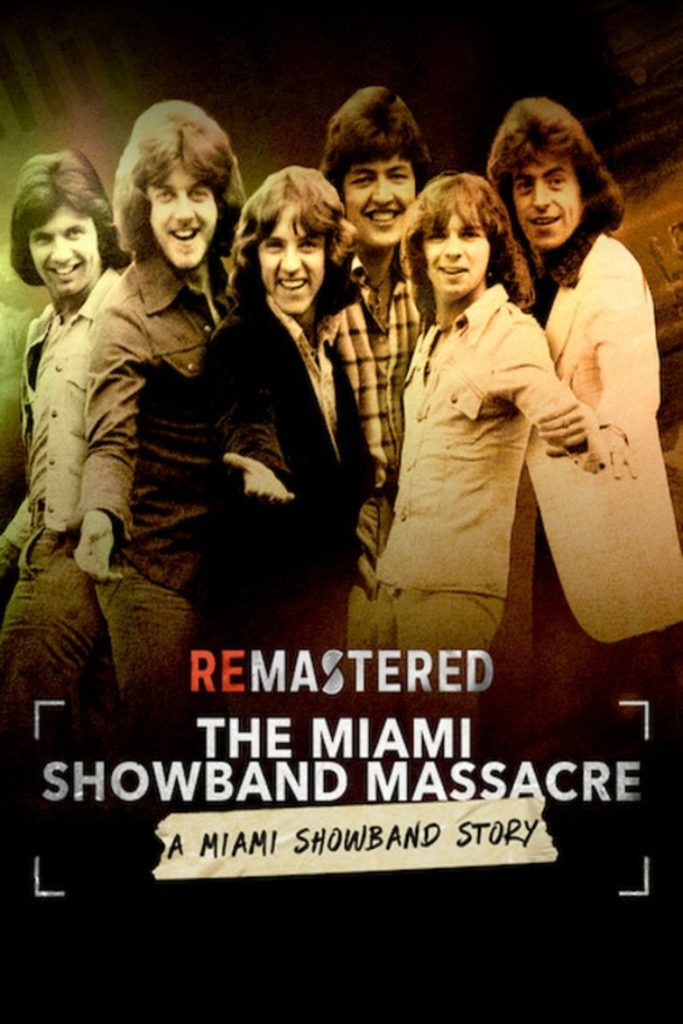
Story overview
This documentary examines the 1975 Miami Showband massacre in Northern Ireland, where three band members were killed in an ambush by Ulster loyalists. The film investigates potential government connections to the crime, featuring interviews with survivors, journalists, and experts who explore the historical context of the Troubles and allegations of collusion.
Parent Guide
This documentary examines a violent historical event and allegations of government collusion. While it doesn't contain graphic imagery, the subject matter involves murder, terrorism, and political corruption. Recommended for mature viewers who can process complex historical and political content.
Content breakdown
The documentary discusses a violent ambush that resulted in three deaths, but does not show graphic violence or reenactments. There are descriptions of the attack and its aftermath, along with discussions of terrorism and political violence during the Troubles.
The subject matter involves murder, political violence, and conspiracy theories about government involvement in killings. The documentary includes emotional interviews with survivors and family members, and explores disturbing allegations of state collusion with paramilitary groups.
May include occasional mild language related to the historical context and emotional interviews, but no strong profanity is expected in this documentary format.
No sexual content or nudity present.
No depiction or discussion of substance use.
Contains emotional interviews with survivors and discussions of traumatic events. The film explores grief, loss, and the search for justice decades after the massacre. The political allegations add an additional layer of emotional complexity.
Parent tips
This documentary deals with a violent historical event and political conspiracy theories. It includes discussions of terrorism, murder, and government corruption. While it doesn't show graphic violence, the subject matter is serious and may be disturbing for younger viewers. The film is best suited for mature teenagers who can understand complex political conflicts and historical context.
Parent chat guide
Parent follow-up questions
—
—
- What do you think a documentary is?
- Why do you think people make movies about things that happened a long time ago?
- How do you think the families of the band members felt?
- What did you learn about the Troubles in Northern Ireland from this documentary?
- Why do you think some people believe the government was involved in the massacre?
- How does this documentary help us understand political conflicts today?
- What questions do you have about the investigation shown in the film?
- How do documentaries differ from fictional movies in how they tell stories?
🎭 Story Kernel
The film's core theme is the weaponization of culture during conflict, using the Miami Showband massacre as a brutal case study. It explores how the band's cross-border popularity and unifying music made them targets for paramilitaries seeking to destabilize Northern Ireland. The documentary reveals this wasn't random violence but calculated terrorism designed to destroy symbols of unity. What drives the narrative is the tension between art's power to connect communities and political forces determined to maintain division through fear. The film argues that when music transcends borders, it becomes dangerous to those invested in conflict.
🎬 Visual Aesthetics
The documentary employs a stark visual contrast between vibrant performance footage and grim archival materials. Concert scenes burst with saturated colors and dynamic camera movements, capturing the band's energy. These sharply cut to grainy, desaturated newsreels and crime scene photos, creating visual whiplash that mirrors the tragedy's impact. Interviews are framed intimately, often in shadowy interiors that suggest hidden truths. The most powerful visual motif is the recurring juxtaposition of musical instruments with forensic evidence—guitars beside bullet casings, microphones near bloodstained clothing—visually reinforcing how art was violently interrupted by politics.
🔍 Details & Easter Eggs
💡 Behind the Scenes
Director Stuart Sender spent three years gaining trust with survivors who had refused previous documentary requests. The film's most chilling interview—with a former paramilitary member—was conducted anonymously in shadow, requiring special legal arrangements. Archival researchers discovered previously classified police documents showing British security forces had prior intelligence about the plot. Several band members' families provided never-before-seen home videos, including the last rehearsal footage shot days before the attack.
Where to watch
Choose region:
- Netflix
- Netflix Standard with Ads
Trailer
Trailer playback is unavailable in your region.