
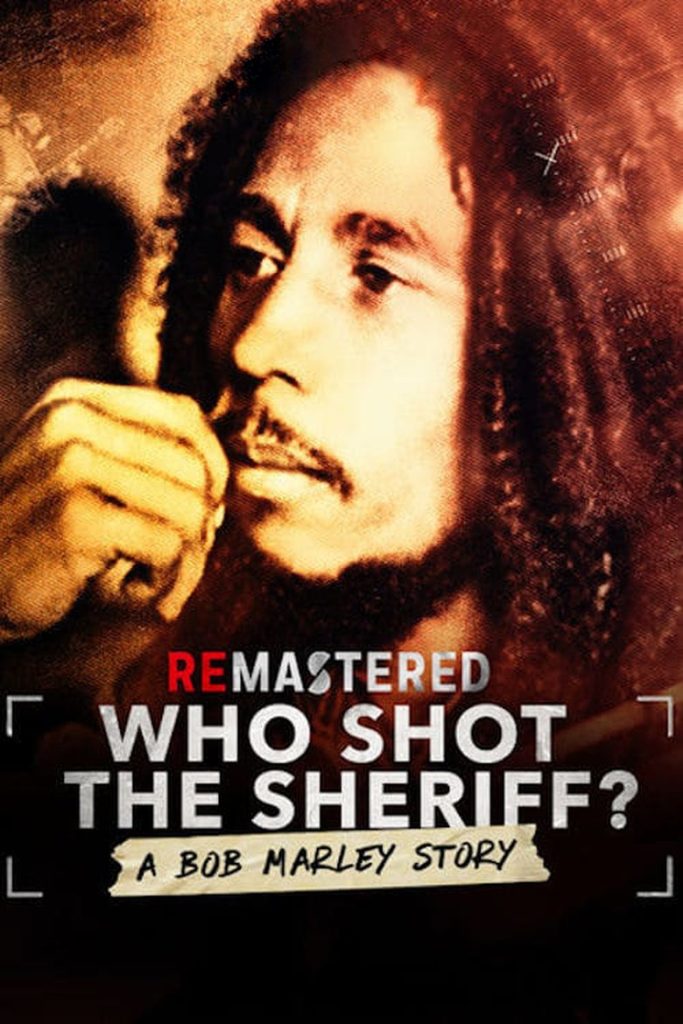
ReMastered: Who Shot the Sheriff (2018)
Story overview
This documentary explores the 1976 assassination attempt on reggae legend Bob Marley during Jamaica's intense political conflict. It examines the historical context of rival political groups, the investigation into who was responsible, and features archival footage and interviews with key figures.
Parent Guide
Documentary examining political violence and historical investigation. Suitable for mature middle schoolers and up who can handle discussions of real-world conflict and assassination attempts.
Content breakdown
Discusses assassination attempt and political violence, but no graphic violence shown. Includes descriptions of shooting and historical context of armed conflict.
Thematic discussion of violence and political conflict could be disturbing to sensitive viewers, but presented in documentary/investigative style rather than sensationalized.
No concerning language noted in documentary context.
No sexual content or nudity.
May include historical references to marijuana culture in reggae context, but not depicted or promoted.
Deals with serious themes of political violence, assassination attempts, and historical conflict. Could provoke anxiety about real-world violence in sensitive viewers.
Parent tips
This documentary deals with mature themes including political violence and assassination attempts. While there's no graphic violence shown, the subject matter involves real-life peril and historical conflict. Best for older children who can understand historical context and discuss political violence appropriately.
Parent chat guide
Parent follow-up questions
—
- What is a documentary?
- Who was Bob Marley and why was he important?
- What does 'assassination' mean?
- Why were there political conflicts in Jamaica in the 1970s?
- How do investigators figure out what happened in historical events?
- What role did music play during this political conflict?
- What were the competing political ideologies in Jamaica during this period?
- How does this documentary approach historical investigation differently from entertainment media?
- What are the ethical considerations when investigating and presenting historical violence?
🎭 Story Kernel
At its core, 'ReMastered: Who Shot the Sheriff' isn't just a true-crime investigation into the 1976 assassination attempt on Bob Marley; it's a forensic examination of how political violence corrupts cultural purity. The film argues that the shooting was Jamaica's original sin—the moment when partisan politics (represented by the rival JLP and PNP parties) weaponized a nation's soul by targeting its most unifying figure. Marley's refusal to take sides in the election, choosing instead to host the 'Smile Jamaica' concert as a peace offering, made him dangerous to both factions. The documentary suggests the real tragedy wasn't the physical wound but how the attempt extinguished Marley's political activism, forcing him into exile and leaving Jamaica's democratic ideals permanently scarred.
🎬 Visual Aesthetics
The visual language masterfully mirrors Jamaica's fractured psyche through contrasting archival aesthetics. Grainy, chaotic newsreel footage of 1970s Kingston street violence—all shaky cameras and stark shadows—is juxtaposed against serene, sun-drenched shots of Marley's Tuff Gong studio and concert preparations. This creates a visual dialectic between political darkness and musical light. The color palette deliberately drains during political segments (muted grays, oppressive blues) while warming during musical sequences (golden hour concert shots, vibrant reds and greens of Marley's attire). Interviews are framed in tight close-ups, emphasizing the weight of decades-old secrets, while wider shots of modern Kingston show lingering geographical scars from that era.
🔍 Details & Easter Eggs
💡 Behind the Scenes
Director Kief Davidson gained unprecedented access to Marley's inner circle by partnering with the Marley family estate, who had previously rejected numerous documentary requests. The film's most chilling interview—with former JLP enforcer 'Jim Brown'—was conducted in an undisclosed location under strict security protocols, as the subject still feared retaliation. Archival researchers discovered previously unseen Jamaica Defense Force footage of the 1976 election turmoil in a Kingston storage facility that had survived multiple hurricanes. Notably, several political figures interviewed requested their faces be shadowed or voices altered, revealing how the events remain dangerously present in Jamaican consciousness.
Where to watch
Choose region:
- Netflix
- Netflix Standard with Ads
Trailer
Trailer playback is unavailable in your region.