
Remember the Titans (2000)
Story overview
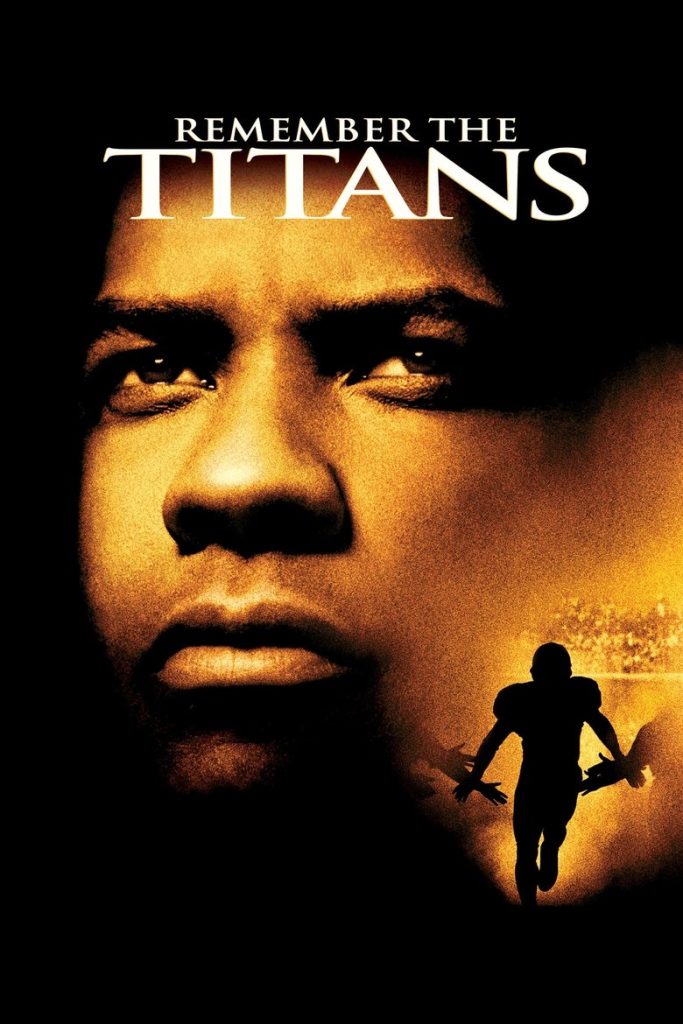
Remember the Titans is a 2000 drama film based on true events about a high school football team in Virginia during the early 1970s. The story follows a newly integrated school where Black and White students must come together under a new African American coach. The film explores themes of racial prejudice, teamwork, and overcoming adversity through sports. It portrays how the team and community learn to respect each other despite initial tensions.
Parent Guide
Uplifting sports drama about racial integration with positive messages about teamwork and respect. Some emotional intensity and historical prejudice depicted.
Content breakdown
Football game action with tackles and collisions typical of the sport. Some tense confrontations between characters but no graphic violence.
Emotional scenes of racial tension and prejudice. Some characters face discrimination and hostility, which may be upsetting to sensitive viewers.
Occasional mild language and racial slurs used in historical context to depict prejudice. No strong profanity.
No sexual content or nudity.
No substance use depicted.
Strong emotional themes about racism, integration, and personal growth. Characters experience conflict, anger, and reconciliation.
Parent tips
This film provides an excellent opportunity to discuss historical racial integration and the importance of teamwork and respect. Parents should be prepared to talk about the racial slurs and prejudice depicted, as these are central to the story's conflict. The PG rating reflects some intense emotional moments and mild language, but overall it's an uplifting story about overcoming differences.
Consider watching with children ages 8 and up to help them understand the historical context and emotional themes. The football action is exciting but not overly violent, making it engaging for sports fans while delivering meaningful messages about equality and cooperation.
Parent chat guide
For younger viewers, emphasize the friendship and teamwork aspects. For older children and teens, delve deeper into the historical context of school integration and how prejudice affects communities. Relate the film's messages to current events or personal experiences with diversity and inclusion.
Parent follow-up questions
- What was your favorite part of the football game?
- How did the players help each other on the team?
- What does it mean to be a good friend?
- Why is it important to share and take turns?
- What colors were the players' uniforms?
- How did the players feel when they first met each other?
- What made the team start working together better?
- Have you ever had to work with someone who was different from you?
- What does 'teamwork' mean to you?
- Why do you think some people were mean to others at first?
- What historical events were happening when this story took place?
- How did the coaches help the players overcome their differences?
- What would you do if you saw someone being treated unfairly?
- How can sports bring people together?
- What lessons about leadership did you notice in the film?
- How does this film portray the challenges of racial integration in the 1970s?
- What societal pressures influenced the characters' behavior?
- How do the film's themes relate to current discussions about diversity and inclusion?
- What leadership qualities were most effective in bringing the team together?
- How might this story be different if it happened today?
🎭 Story Kernel
At its core, 'Remember the Titans' isn't about football winning games—it's about integration winning humanity. The film explores how systemic racism fractures communities, then demonstrates that genuine connection requires vulnerability, not just tolerance. Coach Boone's brutal training camp forces white and Black players to see each other as teammates before they can see each other as equals. The real conflict isn't on the field but in the stands, homes, and police stations where prejudice persists even as the team unites. The movie argues that progress happens when individuals choose relationship over tradition, shown through Gerry Bertier's transformation from captain of segregation to champion of unity.
🎬 Visual Aesthetics
The film's visual language mirrors its racial themes through deliberate framing and color symbolism. Early scenes use stark divisions—white players on one bus, Black players on another—with camera angles emphasizing separation. As integration progresses, shots become more fluid, with overlapping frames during the Gettysburg speech creating visual unity. The football sequences employ documentary-style handheld cameras during tense moments, then shift to sweeping cinematic shots during triumphs. Notice how the color palette evolves from muted, divided tones in Alexandria to vibrant, shared hues during the final championship game, visually tracking the community's emotional journey.
🔍 Details & Easter Eggs
💡 Behind the Scenes
Denzel Washington trained with real football coaches to perfect his sideline demeanor, while the actors underwent actual two-a-day practices to build authentic team chemistry. Many supporting players were real Virginia high school athletes. The film's iconic 'Left Side, Strong Side' chant was developed during rehearsals and became so effective that the cast used it to bond off-camera. Though set in 1971 Virginia, parts were filmed in Georgia due to tax incentives, with the championship game shot at Atlanta's former Herndon Stadium.
Where to watch
Choose region:
- Disney Plus
- Hulu
- Amazon Video
- Apple TV
- Google Play Movies
- YouTube
- Fandango At Home
Trailer
Trailer playback is unavailable in your region.