
Requiem for a Dream (2000)
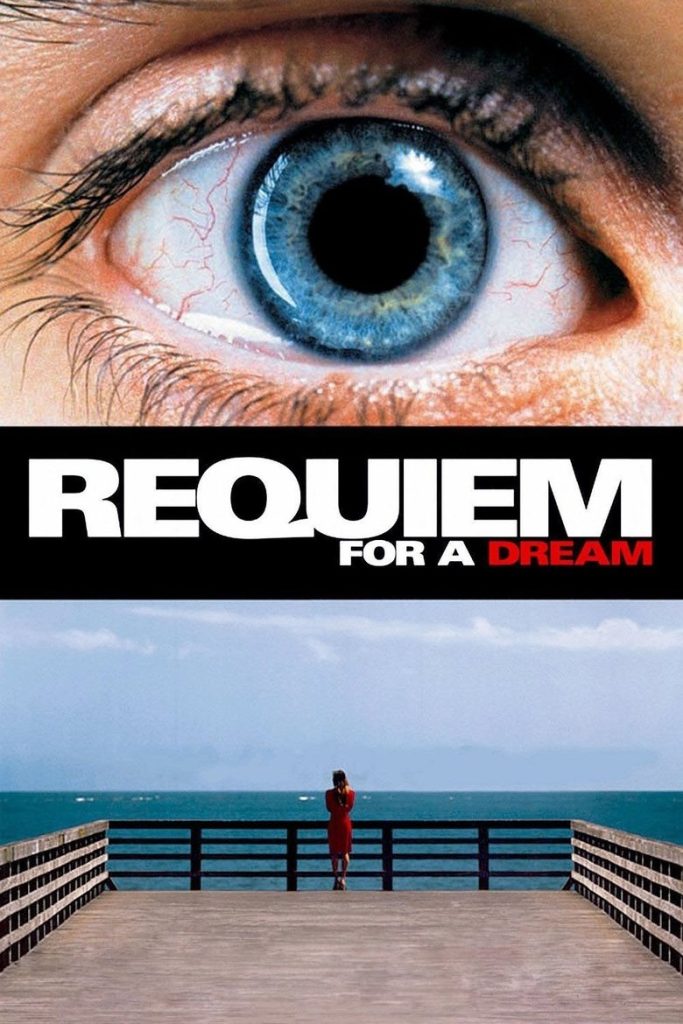
Story overview
This intense drama follows four individuals whose lives spiral downward due to drug addiction. The film portrays how their initial hopes and dreams become consumed by substance abuse, leading to devastating consequences. Through their interconnected stories, it shows the physical, psychological, and social destruction caused by addiction in raw, unflinching detail.
Parent Guide
Extremely intense film about addiction with graphic content throughout. Only suitable for mature adults.
Content breakdown
Includes medical procedures, self-harm, and violent situations related to addiction.
Psychological torment, hallucinations, and disturbing imagery throughout.
Frequent strong profanity and aggressive dialogue.
Graphic sexual content and full nudity in multiple scenes.
Extensive depiction of drug use, preparation, and addiction consequences.
Extremely distressing themes of hopelessness, desperation, and psychological suffering.
Parent tips
This film contains extremely disturbing content that is inappropriate for viewers under 18. The NC-17 rating reflects graphic depictions of drug use, sexual content, violence, and psychological torment. Parents should be aware that the film's portrayal of addiction is intentionally harrowing and may be traumatic even for mature adults. The intense themes and explicit scenes make this unsuitable for family viewing.
Parent chat guide
Parent follow-up questions
- What makes you feel happy and safe?
- What do you do when you feel sad?
- Who can you talk to if you need help?
- What are some healthy things we can do together?
- What do you know about things that can hurt our bodies?
- Why is it important to make healthy choices?
- How can friends help each other stay safe?
- What would you do if someone offered you something dangerous?
- What are some pressures kids might face as they get older?
- How can media sometimes exaggerate or simplify real problems?
- Why do you think people might make unhealthy choices even when they know the risks?
- What are healthy ways to cope with stress or disappointment?
- What did you think about how the film portrays addiction consequences?
- How does media representation of drug use compare to reality?
- What support systems exist for people struggling with addiction?
- How can we recognize warning signs in ourselves or others?
- What responsibilities do we have regarding substance use decisions?
🎭 Story Kernel
At its core, 'Requiem for a Dream' is about the universal human yearning for connection and purpose, and how that yearning becomes monstrous when funneled through addiction. It's not just about drugs; it's about the addiction to dreams themselves—Sara's to television fame, Harry and Marion's to a better life, Tyrone's to dignity. Their shared pursuit of happiness becomes a shared descent into hell, revealing how capitalism, media, and isolation prey on these vulnerabilities. The film argues that the American Dream, when unattainable, can be the most potent and destructive narcotic of all.
🎬 Visual Aesthetics
Darren Aronofsky employs a brutal, repetitive visual grammar to mirror addiction's cycle. The 'hip-hop montages' of drug preparation—tight close-ups, rapid cuts, percussive sound—are as ritualistic and seductive as the high itself. The color palette shifts with each character's spiral: warm golds and reds in the hopeful early scenes drain to cold, clinical blues and greens in the hospital and prison. The infamous 'ass-to-ass' sequence uses a disorienting, fish-eye lens to depict degradation, while the final, devastating triptych of fetal positions—Sara in electroshock, Harry amputated, Marion prostituted—is a visual chorus of human ruin.
🔍 Details & Easter Eggs
💡 Behind the Scenes
Ellen Burstyn's Oscar-nominated performance was fueled by personal pain; she channeled grief from her recently deceased husband and the euthanasia of her dog. The infamous 'ass-to-ass' club scene was filmed in a real, defunct Brooklyn theater, with extras recruited from actual underground clubs. Jared Leto and Jennifer Connelly did not meet off-camera during filming to preserve the tension and desperation of their on-screen relationship. The script is a remarkably faithful adaptation of Hubert Selby Jr.'s novel, with Selby himself making a cameo as the prison guard who processes Tyrone.
Where to watch
Choose region:
- Peacock Premium
- Peacock Premium Plus
- Amazon Video
- Apple TV
- Google Play Movies
- YouTube
- Fandango At Home
- The Roku Channel
- Fandango at Home Free
- Tubi TV
- Kanopy
- Hoopla
- Plex
- Plex Channel
Trailer
Trailer playback is unavailable in your region.