
Requiem for the Dead: American Spring 2014 (2015)
Story overview
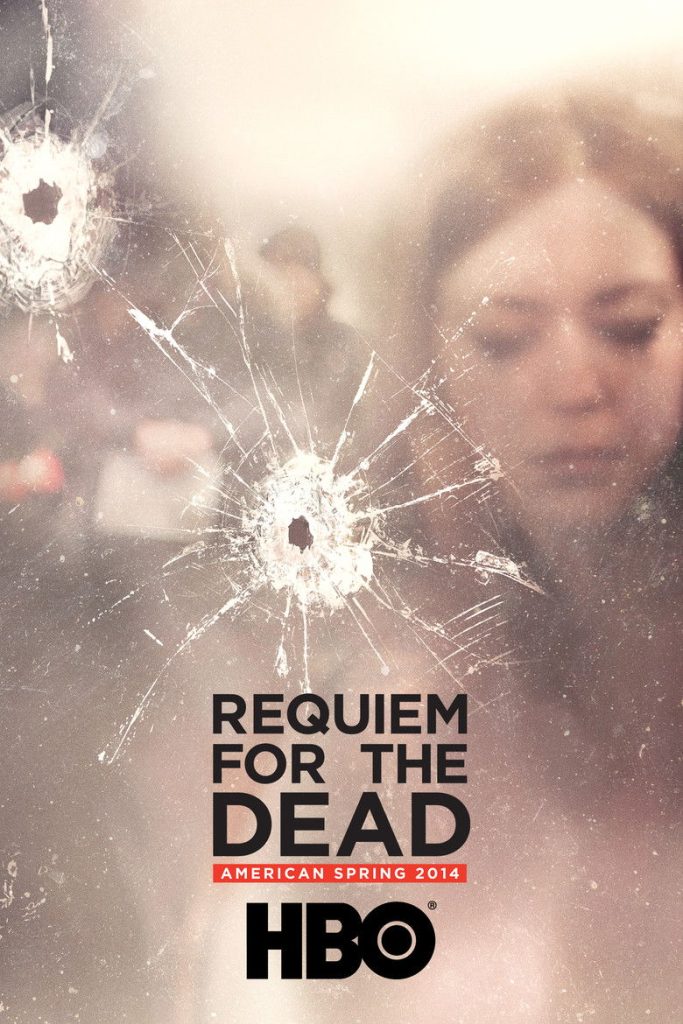
This documentary uses real footage and audio to explore gun violence in America, focusing on individual stories of victims from accidents, random shootings, disputes, and suicides, highlighting the scale of the issue with statistics like 32,000 deaths per year.
Parent Guide
A serious documentary with intense real-world content, best for mature teens and adults due to its graphic and emotional nature.
Content breakdown
Includes real footage and audio related to gun violence, such as 9-1-1 calls and news stories depicting deaths, which can be graphic and disturbing.
The film covers tragic stories of death, which may be emotionally upsetting and provoke anxiety, especially for sensitive viewers.
May contain occasional strong language in real audio clips, but not a primary focus.
No sexual content or nudity is present in this documentary.
No depiction of substance use.
High emotional intensity due to real-life tragedies and the serious theme of gun violence, which can lead to sadness or distress.
Parent tips
This film deals with mature themes of death and violence; preview it first to assess suitability for your child, as it may be distressing. Consider watching together to discuss the content and provide context, especially for younger viewers.
Parent chat guide
Parent follow-up questions
—
- What is gun violence?
- How can we stay safe around guns?
- Why do you think gun violence happens?
- How does this film show the impact on families?
- What societal factors contribute to gun violence?
- How can communities address this issue?
🎭 Story Kernel
The film is not a conventional narrative but a stark, unflinching meditation on the normalization of gun violence in American society. It expresses the collective trauma of a nation through the absence of plot-driven characters, instead presenting victims as spectral figures whose lives are defined solely by their violent ends. What 'drives' this presentation is a profound grief and anger at systemic failure—the characters are propelled not by personal ambition, but by the societal forces that led to their deaths. The core theme is the dehumanization inherent in statistics, challenging viewers to see each loss as an individual tragedy rather than a news headline.
🎬 Visual Aesthetics
The visual language is deliberately austere and documentary-like, employing static shots, surveillance footage aesthetics, and a desaturated color palette that evokes news reports and official records. This creates a sense of cold, bureaucratic detachment, mirroring how society processes mass violence. The camera often lingers on empty spaces—a bedroom, a sidewalk, a car—where violence occurred, emphasizing absence over action. There is no stylized 'action'; violence is implied through aftermath or clinical description. The symbolism lies in this emptiness, representing both the physical void left by victims and the moral void in the cultural response.
🔍 Details & Easter Eggs
💡 Behind the Scenes
The film is a cinematic adaptation of the 'Gun Violence Memorial' project. It uses strictly verified data and case details from a specific temporal period (Spring 2014). The 'actors' are not performers in a traditional sense; the voices narrating victim details are often real family members or advocates, and the visuals frequently incorporate actual photographs and home video clips provided by victims' families, with permissions. It was shot on location in various American cities and towns where the documented incidents occurred, using minimal crews to maintain a respectful, unobtrusive presence. The director has stated the editing process involved meticulously cross-referencing every visual and audio element with public records and family accounts to ensure factual accuracy.
Where to watch
Choose region:
- HBO Max
- HBO Max Amazon Channel
- Amazon Video
- Apple TV Store
- Google Play Movies
- YouTube
- Fandango At Home
Trailer
Trailer playback is unavailable in your region.