
Respect (2021)
Story overview
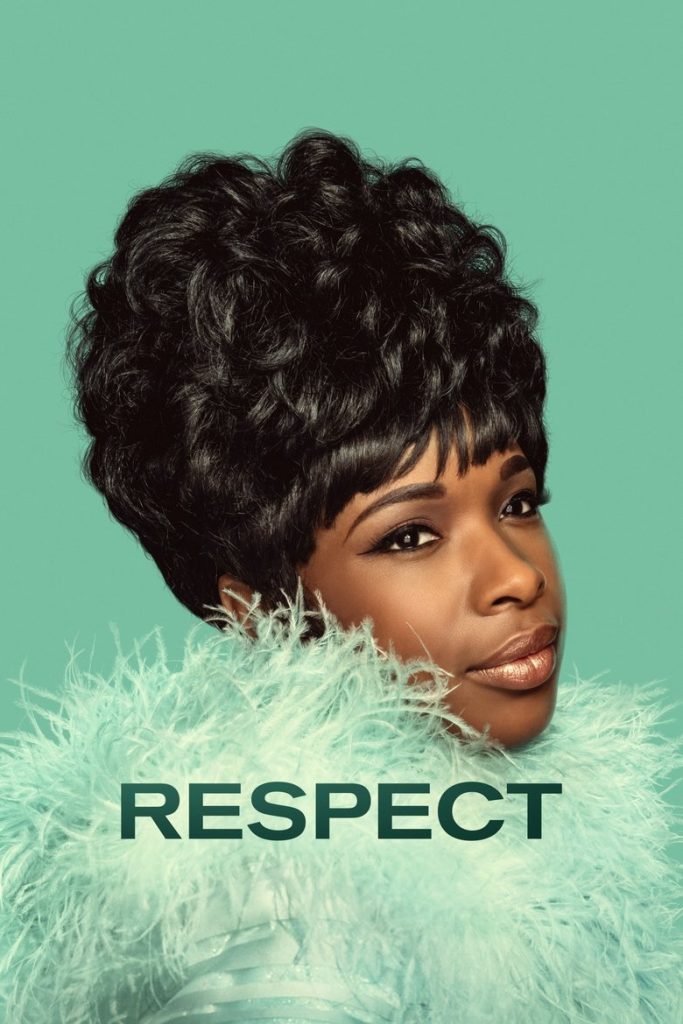
Respect is a 2021 biographical drama that chronicles the life of legendary singer Aretha Franklin, from her childhood singing in her father's church choir to her rise as an international music icon. The film explores her musical journey, personal struggles, and the challenges she faced in the music industry and her personal life, set against the backdrop of the civil rights movement and changing social norms.
Parent Guide
A powerful biographical drama about Aretha Franklin's life and career, featuring excellent musical performances but dealing with mature themes including domestic abuse, addiction, and complex relationships. Best suited for teenagers who can understand the historical and emotional context.
Content breakdown
There are scenes depicting domestic violence including pushing, slapping, and threatening behavior. One scene shows a character being physically restrained. No graphic violence or blood is shown.
Emotional scenes of domestic abuse, marital conflict, and family tension may be disturbing. Scenes depicting alcoholism and its consequences. The film deals with serious themes of trauma and recovery.
Occasional mild profanity including 'hell' and 'damn.' No strong or frequent swearing.
Implied sexual situations and references to infidelity. Some passionate kissing and suggestive dancing. No nudity or explicit sexual content.
Multiple scenes show characters drinking alcohol socially and excessively. Depiction of alcoholism and its negative consequences on relationships and career. No illegal drug use shown.
High emotional intensity throughout as the film explores trauma, abuse, family conflict, and personal struggles. Powerful musical performances convey deep emotion. Themes of empowerment and resilience provide balance.
Parent tips
This PG-13 rated film deals with mature themes including domestic violence, alcoholism, and infidelity. While there's no graphic violence or explicit content, the emotional intensity and serious subject matter make it more suitable for older children and teenagers. Parents should be prepared to discuss the historical context of the civil rights movement, the challenges women faced in the music industry, and healthy relationship dynamics.
Parent chat guide
Parent follow-up questions
—
- What was your favorite song in the movie?
- How did Aretha's family help her become a singer?
- What does it mean to have 'respect' for someone?
- Why was it difficult for Aretha to balance her career and personal life?
- How did the civil rights movement affect Aretha's music and life?
- What qualities helped Aretha overcome her challenges?
- How does the film portray the intersection of race, gender, and fame in the 1960s?
- What do you think about the film's depiction of Aretha's relationships?
- How does the movie handle themes of trauma and healing through art?
🎭 Story Kernel
The film's core is not the triumph of talent, but the excavation of a voice buried under patriarchal and industry control. Aretha's journey is driven by a desperate need for self-possession—first of her body, as a child victimized by trauma, then of her art, as an adult stifled by managers and a domineering father. The central conflict isn't about becoming famous; it's about becoming her own author. Her iconic recording of 'Respect' is presented not as a career peak, but as the moment she finally reclaims the narrative, transforming a demand made by a man (Otis Redding) into a personal and political anthem of autonomy. The movie argues that her greatest creative act was the reclamation of her own life.
🎬 Visual Aesthetics
Director Liesl Tommy uses a restrained, intimate visual language that prioritizes close-ups on Jennifer Hudson's face, making the audience witnesses to the internal struggle. The color palette evolves from the muted, oppressive tones of Aretha's childhood and early career—reflecting confinement—to the vibrant, warm golds and reds of the recording studio during the 'Amazing Grace' sessions, symbolizing spiritual and artistic liberation. Camera movement is often static during performances early on, mirroring her controlled stage presence, but becomes fluid and sweeping as she finds freedom, most notably in the ecstatic, documentary-style filming of the live gospel recording.
🔍 Details & Easter Eggs
💡 Behind the Scenes
Jennifer Hudson, who portrays Aretha Franklin, spent months in vocal training not to imitate Franklin, but to understand her technique and emotional delivery. The film's climactic 'Amazing Grace' concert sequences were shot in a real Baptist church in New Jersey over five days, with a live congregation to capture authentic reaction. Notably, Hudson is one of the few EGOT winners to portray another EGOT winner. Aretha Franklin herself was involved in early production discussions and personally chose Hudson for the role before her passing in 2018.
Where to watch
Choose region:
- Netflix
- Netflix Standard with Ads
- Amazon Video
- Apple TV Store
- Google Play Movies
- YouTube
- Fandango At Home
Trailer
Trailer playback is unavailable in your region.