
Reversing Roe (2018)
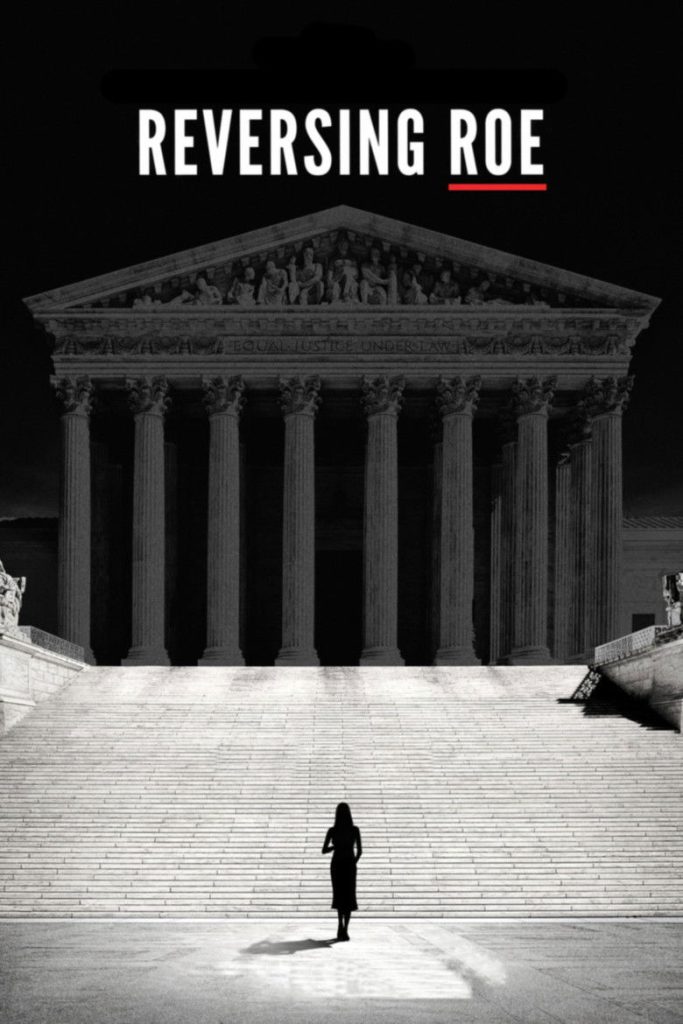
Story overview
Reversing Roe is a 2018 documentary that explores the complex history of abortion laws in the United States, focusing on how women's reproductive rights have been shaped by political and ideological forces. Through interviews and archival footage, it examines key legal battles, societal attitudes, and the ongoing debate surrounding this contentious issue.
Parent Guide
This documentary addresses mature political and medical topics that require critical thinking and emotional maturity. While not visually graphic, it discusses sensitive subject matter that may be confusing or upsetting to younger viewers.
Content breakdown
No physical violence or peril depicted. The conflict is primarily political and legal.
Discussions of abortion procedures and reproductive healthcare may be disturbing to some viewers. Includes emotional personal accounts and references to historical restrictions on women's rights.
Occasional mild language related to political discourse. No strong profanity.
Clinical discussions of reproductive anatomy and procedures. No sexual content or nudity.
No depiction of substance use.
Emotionally charged discussions about personal medical decisions, women's rights, and political polarization. May provoke strong feelings about bodily autonomy and social justice.
Parent tips
This documentary deals with mature themes including abortion, reproductive rights, and political activism. It includes discussions of medical procedures, legal battles, and emotional personal stories. Parents should preview the content to determine appropriateness for their children, as it may raise questions about bodily autonomy, ethics, and politics that require thoughtful discussion.
Parent chat guide
Parent follow-up questions
—
—
- What does 'reproductive rights' mean?
- Why do people have different opinions about medical laws?
- How does this documentary present different perspectives on abortion?
- What historical events have shaped current abortion laws?
- How do political movements influence healthcare policies?
- What ethical considerations surround reproductive rights?
🎭 Story Kernel
The movie really expresses the deep-seated conflict over bodily autonomy and judicial power in America, tracing the historical and political journey of Roe v. Wade from its 1973 landmark decision to its ongoing challenges. It drives characters—activists, politicians, and ordinary citizens—through a mix of ideological conviction, personal trauma, and strategic maneuvering, revealing how the issue has been weaponized in partisan politics, often overshadowing the lived experiences of women. The core theme is the erosion of a constitutional right through incremental legal and cultural shifts, highlighting the tension between individual rights and collective morality.
🎬 Visual Aesthetics
The visual aesthetics rely heavily on archival footage and interviews, using a muted color palette to evoke a somber, documentary realism. Camera language is intimate in personal testimonies, with close-ups emphasizing emotional weight, while wider shots of protests and courtrooms convey the scale of the societal divide. Symbolism emerges through juxtaposed imagery—like contrasting scenes of clinic protests and legislative hearings—to underscore the clash between grassroots activism and institutional power, without heavy-handed metaphors, focusing instead on raw, factual presentation.
🔍 Details & Easter Eggs
💡 Behind the Scenes
The production involved extensive research, with filmmakers interviewing key figures from both sides of the debate, including former Supreme Court clerks and activists. Filming locations spanned multiple states to capture diverse perspectives, from Texas clinics to Washington D.C. courtrooms. Notably, some archival footage was sourced from personal collections of activists, providing rare glimpses into private moments of the movement, and the editing process took over a year to balance complex legal narratives with human stories.
Where to watch
Choose region:
- Netflix
- Netflix Standard with Ads
Trailer
Trailer playback is unavailable in your region.