
Ride or Die (2021)
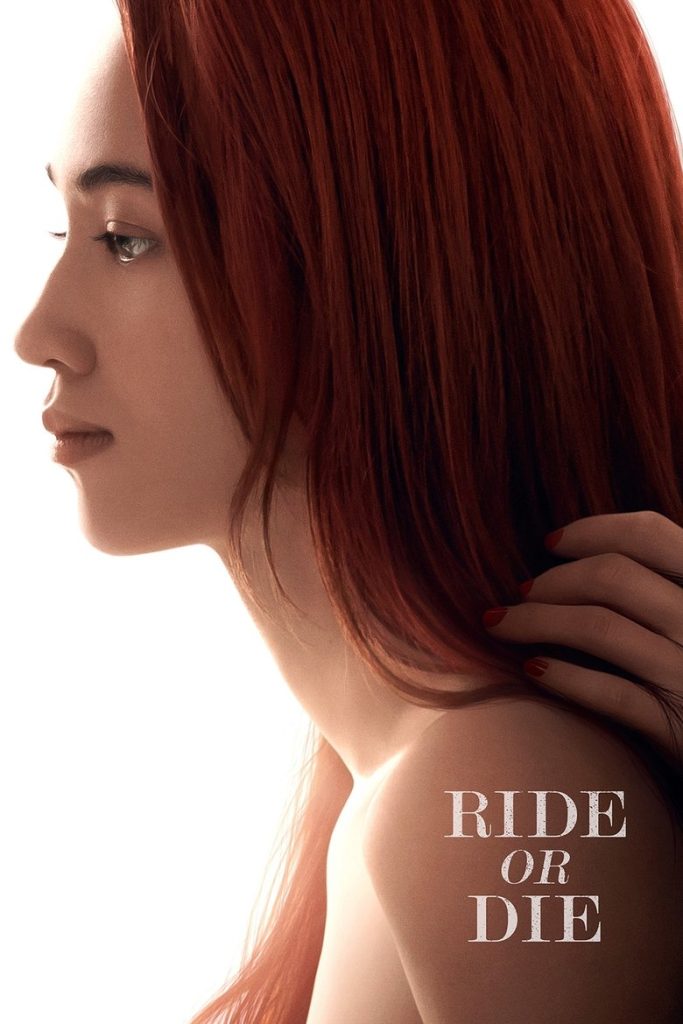
Story overview
A Japanese drama-thriller about Rei, who helps her longtime love escape an abusive husband, leading them on a tense journey where their suppressed romantic feelings intensify amidst danger and emotional turmoil.
Parent Guide
A tense romantic thriller with mature themes including domestic violence, perilous situations, and a same-sex romance. Not suitable for children; recommended for mature viewers 17+.
Content breakdown
Scenes of domestic abuse (hitting, threats), tense chase sequences, and peril while on the run. Some physical confrontations but no extreme gore.
Disturbing themes of abuse and control; intense suspense as characters evade danger. Emotional distress is central to the plot.
Subtitled from Japanese; occasional strong language in translation but nothing excessive. Some heated arguments.
Romantic and sexual tension between two women; some kissing and intimate scenes, but no explicit nudity. Focus is on emotional connection.
No notable substance use depicted.
High emotional stakes involving love, fear, abuse, and sacrifice. Characters experience intense stress and romantic longing.
Parent tips
This film contains mature themes including domestic abuse, intense peril, and a central same-sex romance. It's best suited for older teens and adults due to its emotional complexity and thriller elements.
Parent chat guide
Parent follow-up questions
—
—
—
- What did you think about how the film showed the abusive relationship? How might someone safely help a friend in that situation?
- How did the film handle the romantic relationship between the two women? Did it feel realistic to you?
- What moments felt most tense or scary, and why do you think the filmmakers included them?
🎭 Story Kernel
At its core, 'Ride or Die' is less a crime thriller and more a raw dissection of trauma bonding. The film explores how shared violence can forge connections more intense than love, questioning whether Rei's devotion to Nanae is genuine affection or a pathological need to complete her own fractured identity through another's salvation. Their journey isn't about escaping the past, but weaponizing it—each confrontation with their pursuers becomes a ritual that deepens their codependency. The driving force isn't justice or freedom, but the addictive high of being someone's entire world, even if that world is built on corpses and lies.
🎬 Visual Aesthetics
The film employs a stark visual dichotomy: flashbacks are washed in warm, nostalgic ambers and soft focus, while the present is drenched in cold, clinical blues and harsh fluorescent lighting. Action sequences are shot with shaky, intimate handheld cameras that place you uncomfortably close to the violence, making every impact feel visceral rather than stylized. Symbolism emerges through water motifs—rain cleanses nothing, bathtub scenes underscore vulnerability, and the ocean they flee toward represents both freedom and an abyss. The color palette deliberately drains as their moral compass shatters, leaving a world of concrete grays and blood reds.
🔍 Details & Easter Eggs
💡 Behind the Scenes
Director Ryūichi Hiroki insisted on casting Kiko Mizuhara and Honami Sato specifically for their contrasting physicality—Mizuhara's model height against Sato's petite frame visually emphasized their power imbalance. The highway chase sequence was filmed on closed sections of the Tomei Expressway during minimal-traffic hours, using practical car rigs rather than CGI. Mizuhara performed her own stunts for the apartment fight scene, resulting in a genuine hairline fracture that was written into subsequent shots with bandages.
Where to watch
Choose region:
- Netflix
- Netflix Standard with Ads
Trailer
Trailer playback is unavailable in your region.