
Risky Drinking (2016)
Story overview
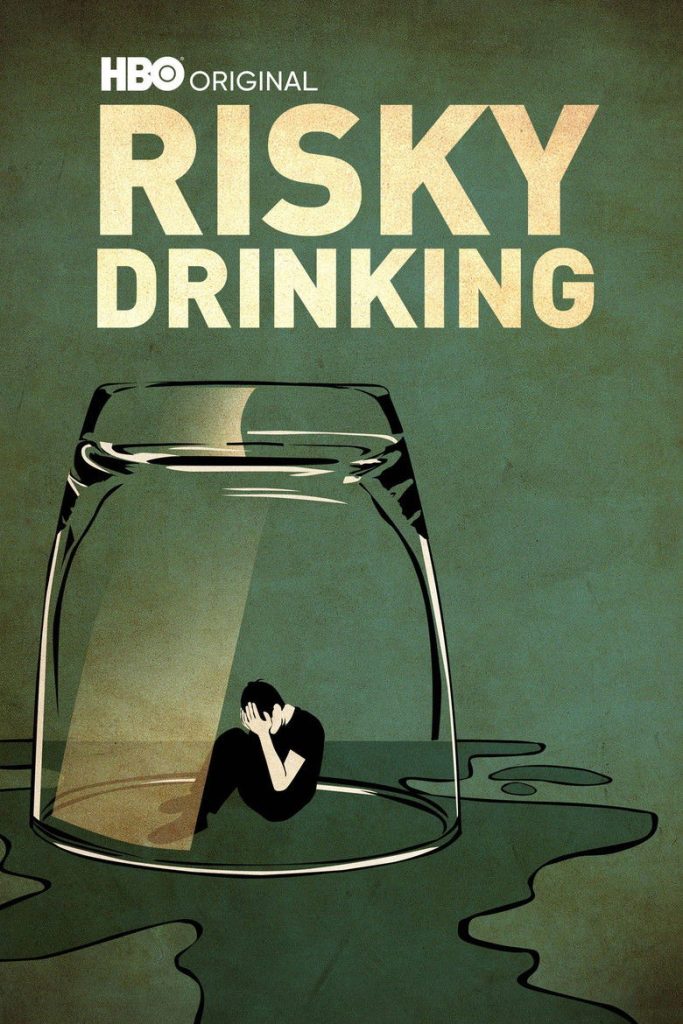
Risky Drinking is a 2016 documentary that examines alcohol abuse in America through the personal stories of four individuals whose drinking habits significantly impact their lives and relationships. Produced with the National Institute of Alcohol Abuse and Alcoholism, it provides an unflinching look at problem drinking as a national health issue.
Parent Guide
This documentary provides a serious, educational look at alcohol abuse through real-life case studies. It contains mature content about addiction and its consequences that requires parental guidance for younger viewers.
Content breakdown
No physical violence shown, but there are discussions of self-destructive behaviors and the emotional peril faced by individuals struggling with alcohol abuse.
The documentary shows the disturbing reality of alcohol addiction, including strained family relationships, health deterioration, and personal struggles. Some scenes may be emotionally intense as individuals confront their drinking problems.
May contain occasional strong language related to emotional situations, but not excessive. Typical of documentary interviews with people discussing personal struggles.
No sexual content or nudity present in this educational documentary.
The entire documentary focuses on alcohol use and abuse. Shows people drinking, discusses drinking habits extensively, and examines the consequences of excessive alcohol consumption. This is the central theme of the film.
High emotional intensity as the documentary follows individuals dealing with serious alcohol problems. Shows family conflicts, personal struggles, and the emotional toll of addiction on both drinkers and their loved ones.
Parent tips
This documentary deals with mature themes related to alcohol abuse and its consequences. It's best suited for older teens and adults. Parents should preview it first and be prepared to discuss the serious topics it raises, including addiction, family conflict, and health risks. The content may be distressing for younger viewers.
Parent chat guide
Parent follow-up questions
—
—
—
- What did you learn about how alcohol affects people's lives from this documentary?
- How do you think the people in the film could have made different choices about drinking?
- What are some signs that someone might have a problem with alcohol?
- Why do you think the filmmakers chose to show these particular stories?
- How can friends support someone who might be drinking too much?
🎭 Story Kernel
The film's core isn't about alcoholism as a singular disease, but as a social and psychological ecosystem. It expresses how drinking is often the symptom, not the cause—a maladaptive coping mechanism for trauma, loneliness, and societal pressure. The characters are driven not by a desire to self-destruct, but by a desperate, flawed attempt to self-medicate emotional pain that feels inescapable when sober. The real narrative tension comes from watching them navigate a world that simultaneously enables and condemns their behavior, creating a cycle where the 'solution' perpetuates the problem.
🎬 Visual Aesthetics
The cinematography employs a stark, unflinching vérité style. Handheld cameras create an intimate, sometimes uncomfortably close, proximity to moments of raw vulnerability and chaos. The color palette is often desaturated in personal scenes, reflecting emotional numbness, contrasted with the garish, overly bright lights of bars and social gatherings that feel artificial and isolating. There's a deliberate lack of glamour; shots of drinks are not stylish but clinical, focusing on the repetitive, mechanical action of pouring and consuming.
🔍 Details & Easter Eggs
💡 Behind the Scenes
The documentary is an HBO production directed by Ellen Goosenberg Kent and produced in collaboration with the National Institute on Alcohol Abuse and Alcoholism (NIAAA), ensuring access to leading experts and a research-backed framework. Much of the filming involved embedded crews spending significant time with the subjects to capture authentic, unguarded moments rather than staged interviews. The project aimed to move beyond statistics and portray the complex human stories behind alcohol use disorder.
Where to watch
Choose region:
- HBO Max
- HBO Max Amazon Channel
- Amazon Video
- Apple TV Store
- Google Play Movies
- YouTube
- Fandango At Home
Trailer
Trailer playback is unavailable in your region.