
Rize (2005)
Story overview
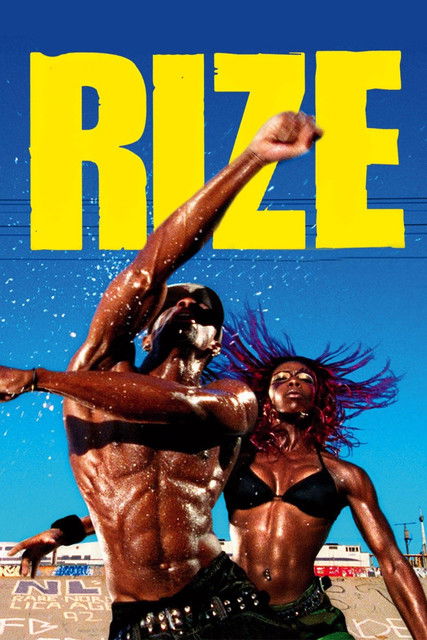
Rize is a 2005 documentary by David LaChapelle that explores two energetic street dance styles—Clowning and Krumping—that emerged from low-income neighborhoods in Los Angeles. The film showcases how these dance forms provided a positive, creative outlet for youth, offering an alternative to the drugs, guns, and gangs prevalent in their communities. Through interviews and raw footage, it captures the passion and cultural significance of this growing subculture in America.
Parent Guide
Rize is a documentary that offers an inspiring look at street dance culture, but it includes mature themes and some intense content. It's best for viewers aged 12 and up who can understand the social context. The film promotes positive messages about creativity and resilience.
Content breakdown
The film discusses gang violence and includes references to real-world dangers in low-income neighborhoods, but there is no graphic violence depicted. Some dance scenes involve aggressive, energetic movements that might be intense for younger viewers.
The documentary touches on serious topics like poverty and crime, which could be unsettling for sensitive children. The raw, gritty footage of urban environments might be disturbing to some, but it's presented in a factual, non-sensational way.
Occasional mild profanity (e.g., 'hell,' 'damn') is used in interviews or casual speech. There is no strong or frequent offensive language.
No sexual content or nudity is present in the film. The focus is solely on dance and cultural expression.
The film references drug use and its prevalence in the neighborhoods as a negative influence that the dancers are avoiding. There are no depictions of substance use on screen.
The documentary has high-energy dance sequences that can be emotionally charged, along with heartfelt stories from the dancers about their struggles and triumphs. It may evoke strong feelings about social issues and personal resilience.
Parent tips
Rize is a documentary that focuses on positive self-expression through dance, but it includes some mature themes. Parents should be aware that the film discusses challenging topics like gang violence, drug use, and poverty in a real-world context. The dance scenes are intense and energetic, with occasional raw language. It's best suited for older children and teens who can understand the social context. Consider watching together to discuss the film's messages about creativity, resilience, and community.
Parent chat guide
Parent follow-up questions
- Did you like the dancing in the movie?
- What was your favorite dance move?
- How did the music make you feel?
- Why do you think dancing was important to the people in the film?
- What did you learn about Clowning and Krumping?
- How can dancing help people feel better?
- How did the dancers use their art to stay away from gangs and drugs?
- What challenges did the people in the film face in their neighborhoods?
- Why is it important to have positive activities like dance in a community?
- What does the film reveal about subcultures and their role in society?
- How does Rize address issues of poverty and systemic challenges?
- In what ways can creative expression be a form of resistance or empowerment?
🎭 Story Kernel
Rize is not just a documentary about dance; it's a raw examination of how marginalized communities create identity and meaning in the face of systemic neglect. The film reveals how krumping and clowning emerged as organic responses to poverty, gang violence, and trauma in South Central Los Angeles. The characters aren't driven by fame or money but by a primal need for expression and community. The dance becomes their language of pain, joy, and survival, transforming street corners into sacred spaces where they can reclaim their bodies and narratives from the violence surrounding them.
🎬 Visual Aesthetics
David LaChapelle's background in hyper-stylized photography creates a fascinating tension with the documentary's gritty reality. He employs extreme close-ups that capture sweat, tears, and raw emotion during dance battles, making the physicality visceral. The color palette shifts from the washed-out grays of urban decay to vibrant, almost surreal hues during performances, visually separating the dance world from daily struggle. Camera movements mimic krumping's frenetic energy, using rapid cuts and shaky handheld shots that make viewers feel immersed in the chaotic, cathartic movement rather than observing from a distance.
🔍 Details & Easter Eggs
💡 Behind the Scenes
Director David LaChapelle first discovered krumping while shooting a music video in Los Angeles and became obsessed with documenting it. The film was shot over three years with minimal crew to build trust in communities wary of media exploitation. Many participants had never been filmed before, and some dance sequences were captured during actual neighborhood events rather than staged performances. Tommy the Clown (the movement's founder) initially resisted participation, fearing misrepresentation, but eventually became a central figure. The production faced challenges filming in areas with active gang tensions, requiring local guides and careful timing.
Where to watch
Choose region:
- Peacock Premium
- Peacock Premium Plus
- Fandango at Home Free
- Tubi TV
- Amazon Video
- Google Play Movies
- YouTube
- Fandango At Home