
Rizo (2020)
Story overview
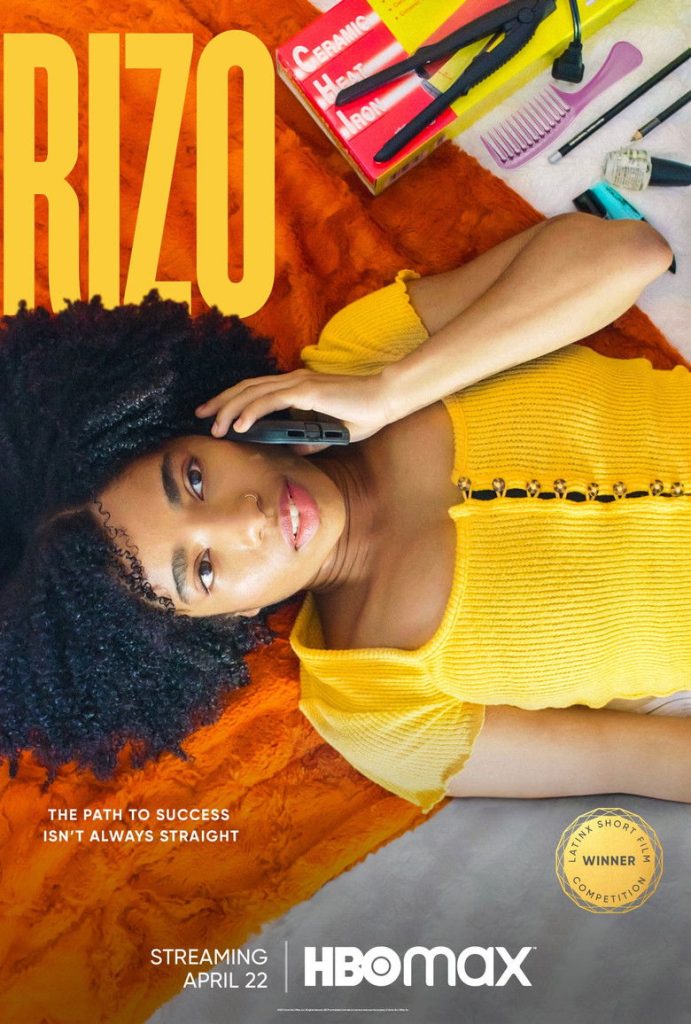
Rizo is a 15-minute drama about Cristina, an Afro-Latina actress navigating a day of auditions while grappling with societal pressures and personal acceptance regarding her natural hair. The film explores themes of identity, self-worth, and cultural beauty standards through her intimate journey.
Parent Guide
A thoughtful, character-driven drama about self-acceptance with no concerning content. Suitable for most children with parental guidance for thematic discussions.
Content breakdown
No violence, threats, or perilous situations. The conflict is entirely internal/emotional.
Nothing scary or disturbing. Mild emotional tension related to self-doubt and societal pressure.
No offensive language or profanity expected in this short drama.
No sexual content, references, or nudity. Characters are dressed professionally for auditions.
No depiction or reference to alcohol, drugs, or tobacco use.
Mild emotional intensity centered on self-doubt and societal expectations. Cristina experiences frustration and vulnerability but ultimately demonstrates resilience.
Parent tips
This short film offers a gentle opportunity to discuss self-acceptance, cultural identity, and beauty standards. Parents can talk about how media portrays different hair types and why representation matters. The film's brief runtime makes it suitable for short viewing sessions followed by conversation.
Parent chat guide
Parent follow-up questions
- What color was Cristina's hair?
- Did she look happy or sad?
- What do you like about your hair?
- Why was Cristina worried about her hair?
- Have you ever seen someone with hair like Cristina's?
- What makes someone beautiful?
- How do auditions show pressure to conform?
- What messages about beauty does the film challenge?
- How does hair connect to cultural identity?
- Analyze how the film critiques beauty standards.
- Discuss the intersection of race, gender, and professional expectations.
- How does the short film format affect its emotional impact?
🎭 Story Kernel
At its core, 'Rizo' explores the tension between societal expectations and authentic self-expression. The protagonist's journey isn't about defeating a villain, but about dismantling the internalized voices that dictate conformity. What drives the characters is the universal human need for validation versus the terrifying freedom of self-definition. The film suggests that true liberation comes not from external approval, but from embracing one's inherent contradictions. Through Rizo's subtle transformations, we witness the quiet revolution of choosing authenticity over acceptance.
🎬 Visual Aesthetics
The film employs a minimalist color palette dominated by muted grays and blues, making the rare bursts of warm tones feel like emotional revelations. Camera movements are deliberately restrained, using static shots that force viewers to sit with uncomfortable moments. The animation style shifts subtly between scenes—becoming more fluid during moments of self-discovery and rigid during conformity sequences. This visual language creates a powerful metaphor for emotional states, where freedom literally looks different from constraint.
🔍 Details & Easter Eggs
💡 Behind the Scenes
Director Maya Chen spent two years developing the unique animation technique, blending hand-drawn elements with digital textures to create the film's distinctive look. The voice actor for Rizo recorded all lines in complete isolation to capture the character's loneliness authentically. Production was almost halted when the original composer left, but the replacement created the minimalist score in just three weeks. The film's most complex sequence—the transformation scene—required 14 animators working for eight months to complete 90 seconds of footage.
Where to watch
Choose region:
- HBO Max