
Road to Ninja: Naruto the Movie (2012)
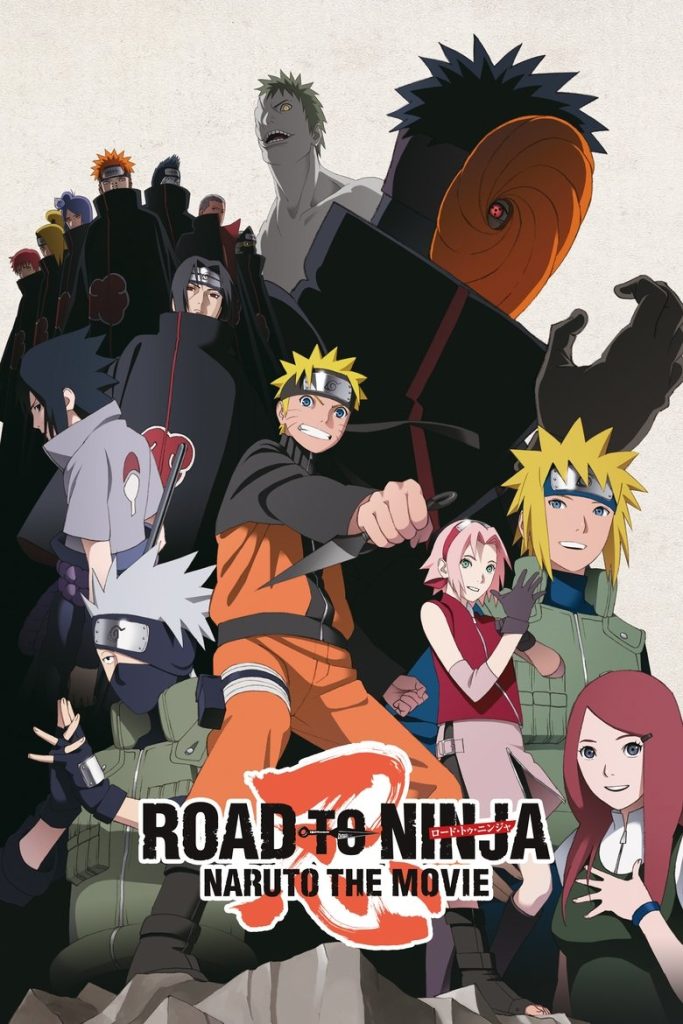
Story overview
This animated fantasy action film follows a young ninja named Naruto who lives in a village attacked by a powerful creature years ago. In the present day, a mysterious masked villain leads an attack on Naruto's village with plans to control the world through illusions. The story explores themes of friendship, courage, and protecting one's home against dangerous threats.
Parent Guide
Animated fantasy action with ninja battles and supernatural threats, most suitable for mature children and teens.
Content breakdown
Fantasy ninja combat with energy attacks, village destruction scenes, and supernatural creature battles. No graphic blood or gore, but intense action sequences.
Mysterious masked villains, attacks on villages, supernatural creatures, and themes of world domination through illusions. Some tense and perilous situations.
No concerning language noted in the provided information.
No sexual content or nudity indicated in the provided information.
No substance use indicated in the provided information.
Themes of loss, sacrifice, protecting home, and confronting powerful villains. Characters face dangerous threats and emotional challenges.
Parent tips
This movie contains animated fantasy violence with ninja battles, attacks on villages, and supernatural creatures. There are scenes of peril and destruction that might be intense for younger viewers. The story deals with themes of loss, sacrifice, and confronting powerful villains, which could be emotionally engaging but potentially overwhelming for sensitive children. The TV-14 rating suggests it's most appropriate for teens and mature pre-teens.
Parent chat guide
Parent follow-up questions
- Did you like the colorful animation?
- Which character did you think was nice?
- What was your favorite part of the movie?
- How did the music make you feel?
- Did any parts make you feel scared or excited?
- What did you think about how the characters worked together?
- How did the main character show bravery?
- What makes a good friend in the story?
- How did the characters solve problems?
- What would you do to help your friends?
- What themes about friendship did you notice in the story?
- How did characters show courage in difficult situations?
- What do you think about the idea of protecting your home?
- How did the animation style affect the storytelling?
- What lessons about teamwork did the movie show?
- How does the movie explore themes of sacrifice and responsibility?
- What commentary does the story make about facing fears and challenges?
- How are fantasy elements used to discuss real-world themes?
- What did you think about the balance between action and character development?
- How does the animation medium enhance the storytelling compared to live-action?
🎭 Story Kernel
At its heart, 'Road to Ninja' explores the psychological weight of parental absence through a classic 'what if' scenario. When Naruto and Sakura are transported to an alternate reality where their lives are inverted—Naruto has living parents and a normal childhood, Sakura's parents are dead and she's an orphan—the film dissects how trauma shapes identity. Naruto's initial joy at having Minato and Kushina alive quickly curdles as he realizes this cushioned existence has made him weaker, less resilient. The driving force isn't just returning home, but confronting the painful truth that his hardships forged the person he became. Sakura's parallel journey—grieving the loss of parents she never had in her reality—highlights how idealized fantasies can obscure gratitude for one's actual life. The climax isn't about defeating the villain Tobi, but about both characters choosing their real, imperfect worlds over seductive alternatives.
🎬 Visual Aesthetics
The film employs a distinct visual duality to separate realities. The main Naruto world uses the series' familiar bright palette and dynamic, fluid action sequences. In contrast, the alternate 'Road to Ninja' world is visually softer—pastel tones, warmer lighting in domestic scenes, and less aggressive camera movements during fights, reflecting Naruto's cushioned life. Symbolism appears in mirrored imagery: Naruto's empty apartment versus the bustling Uzumaki household, Sakura's pink hair (a constant) against changing backgrounds. The action choreography subtly shifts too—Naruto's moves in the alternate world are slightly slower, less desperate, visually underscoring his diminished drive. During emotional beats, the camera lingers on close-ups of eyes and hands, emphasizing internal turmoil over physical conflict.
🔍 Details & Easter Eggs
💡 Behind the Scenes
This film was released in 2012 to commemorate the 10th anniversary of the Naruto anime. Director Hayato Date intentionally focused on parent-child themes as a tribute to longtime fans who had grown up with the series. The alternate character designs—like Minato and Kushina's casual outfits—were created by original manga artist Masashi Kishimoto himself, who also contributed to the story concept. Voice actress Junko Takeuchi (Naruto) noted in interviews that recording scenes with Naruto's 'parents' required emotional takes unlike typical shonen recordings. The film's title 'Road to Ninja' references both the physical journey and the metaphorical path to self-acceptance.
Where to watch
Choose region:
- Netflix
- Netflix Standard with Ads
- Apple TV
- Google Play Movies
- YouTube
- Fandango At Home
- Amazon Video
Trailer
Trailer playback is unavailable in your region.