
Rob Peace (2024)
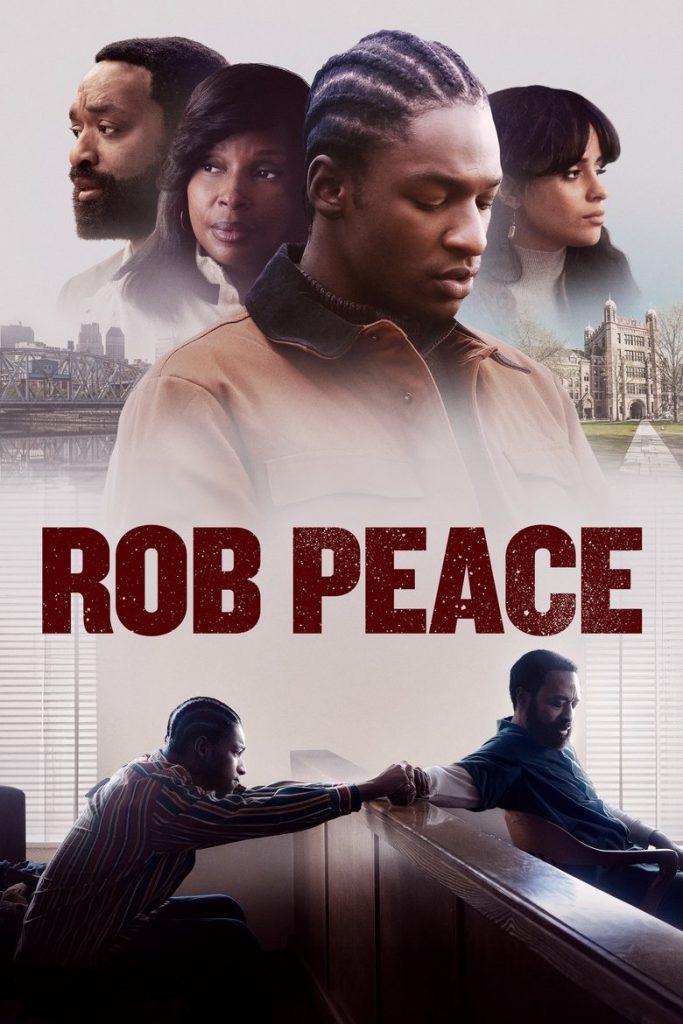
Story overview
Rob Peace is a 2024 biographical drama directed by Chiwetel Ejiofor, based on the true story of Robert Peace. The film follows a brilliant young Black man from a disadvantaged neighborhood in Newark who earns a scholarship to Yale University, where he excels academically. However, his past—including his father's incarceration and the systemic injustices he faced—continues to haunt him, creating a profound internal conflict as he navigates between two worlds. The narrative explores themes of ambition, sacrifice, family loyalty, and the harsh realities of socioeconomic barriers, culminating in a poignant examination of how one's origins can shape and challenge their future.
Parent Guide
Rob Peace is a thought-provoking drama that offers a powerful, real-life story about resilience, injustice, and the complexities of navigating different worlds. It's best suited for mature teens and adults due to its heavy themes and emotional intensity. The film provides valuable opportunities for discussions about race, class, education, and personal responsibility, but requires viewer maturity to process its challenging content.
Content breakdown
There are references to violence, including discussions of crime, incarceration, and community dangers. Some tense scenes depict peril, such as confrontations or moments of threat, but no graphic violence is shown. The film focuses more on the psychological impact of violence rather than depicting it explicitly.
Themes of injustice, poverty, and systemic racism may be disturbing, especially in scenes depicting emotional turmoil or the harsh realities of Rob's environment. There are intense emotional moments, including grief and frustration, that could be upsetting for sensitive viewers. The film's realistic portrayal of difficult life circumstances creates a somber and at times unsettling atmosphere.
Includes frequent strong language, such as uses of 'f**k,' 's**t,' and other profanities, consistent with the R rating. The language reflects the gritty, realistic settings and emotional intensity of the characters' experiences.
Minimal sexual content; there may be brief references or implied situations, but no explicit scenes or nudity. The focus is on the protagonist's personal and academic journey rather than romantic relationships.
References to drug use and drug culture, particularly in the context of Rob's community. There may be scenes depicting characters using or discussing drugs, but it is not glorified. The film addresses substance use as part of the environmental challenges faced by the characters.
High emotional intensity throughout, with themes of struggle, sacrifice, and injustice. Viewers may experience strong feelings of empathy, sadness, or frustration. The film's realistic portrayal of Rob's internal and external conflicts creates a deeply moving and sometimes heavy viewing experience.
Parent tips
This film is rated R primarily for strong language, thematic elements involving crime and injustice, and some intense emotional scenes. It deals with mature topics such as systemic racism, poverty, and the criminal justice system, which may be difficult for younger viewers to fully grasp. Parents should be prepared to discuss these issues with teens. The movie includes scenes of emotional distress and references to drug use and violence, though not graphically depicted. It's best suited for viewers aged 15 and up, as it requires emotional maturity to appreciate the complex social commentary and personal struggles portrayed.
Parent chat guide
Parent follow-up questions
—
—
—
- What systemic barriers did Rob face, and how did they affect his life?
- How did Rob's relationship with his father impact his decisions?
- What does the film say about the value of education in overcoming adversity?
- How did the movie portray the contrast between Newark and Yale?
- What emotions did you experience during Rob's most challenging moments?
- How can we support people in our community who face similar struggles?
🎭 Story Kernel
Rob Peace is a tragic exploration of the double consciousness described by W.E.B. Du Bois, manifesting as a literal tug-of-war between Yale’s molecular biology labs and the drug-dealing underworld of Newark. The film moves beyond a standard biopic, positioning Rob not as a victim of poor choices, but as a martyr to a misplaced sense of duty. It interrogates the crushing weight of systemic inequity, where a young man’s genius is weaponized against him by a legal system that demands he save a father who may be beyond saving. Ejiofor explores the psychological toll of code-switching and the impossibility of outrunning one's origins when the social safety net is replaced by a noose of familial obligation. It is a somber meditation on how the pursuit of justice for one’s blood can lead to the ultimate sacrifice of one’s future.
🎬 Visual Aesthetics
Cinematographer Benoît Delhomme employs a visual language that emphasizes the stark contrast between Rob’s two worlds without falling into cliché. The Yale sequences are often bathed in a cold, sterile, yet expansive light, highlighting the isolation Rob feels within the institution's hallowed halls. In contrast, the Newark scenes utilize a warmer, more claustrophobic palette, filled with handheld movements that mirror the kinetic, high-stakes energy of the streets. Symbolism is found in the recurring imagery of water and chemistry—Rob’s mastery of science is visually juxtaposed with the volatile chemistry of the drug trade. The camera often lingers on Rob’s face in tight close-ups, capturing the internal erosion of a man trying to maintain a facade of normalcy while his internal world collapses under the pressure of his dual existence.
🔍 Details & Easter Eggs
💡 Behind the Scenes
Chiwetel Ejiofor not only directed the film but also adapted the screenplay from Jeff Hobbs’s bestselling biography. Hobbs was actually Rob Peace’s roommate at Yale, providing an intimate, firsthand perspective that informs the film’s authenticity. Jay Will, who plays the titular character, underwent significant preparation to capture Rob’s intellectual intensity and physical presence. The film marks Ejiofor’s second directorial effort following The Boy Who Harnessed the Wind, continuing his thematic interest in stories of exceptional individuals navigating systemic barriers. Production sought to maintain realism by filming in locations that mirrored the socioeconomic divide central to the narrative.
Where to watch
Choose region:
- Netflix
- Netflix Standard with Ads
- Amazon Video
- Apple TV Store
- Google Play Movies
- YouTube
- Fandango At Home
- Plex
Trailer
Trailer playback is unavailable in your region.