
Robin Williams: Come Inside My Mind (2018)
Story overview
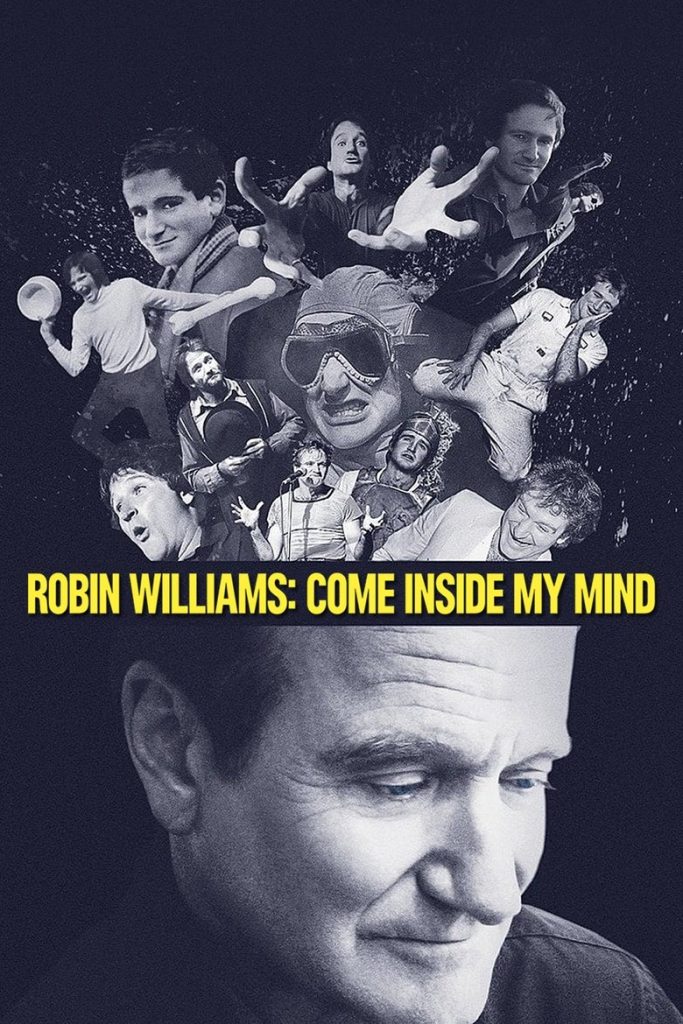
This documentary provides an intimate look at Robin Williams' life and career, featuring archival footage and personal interviews. It explores his comedic genius, personal struggles, and impact on entertainment, with a focus on his creative process and legacy.
Parent Guide
This documentary is best for mature teens due to its frank discussion of adult themes. It offers valuable insights into creativity and mental health but requires parental guidance.
Content breakdown
No physical violence shown, but discussions of self-harm and suicide are present.
Themes of depression, addiction, and death may be disturbing, especially for sensitive viewers.
Includes occasional strong language typical of adult conversations and comedy routines.
References to adult relationships and sexuality, but no explicit content shown.
Discussions of drug and alcohol use in the context of Williams' life and career.
Emotionally powerful exploration of joy, creativity, and personal struggles.
Parent tips
This documentary deals with mature themes including mental health, addiction, and suicide. Parents should preview it and be prepared to discuss these topics with older children. The film includes strong language and references to adult situations.
Parent chat guide
Parent follow-up questions
- What was your favorite funny part?
- What made Robin Williams special?
- What did you learn about being creative?
- How did Robin Williams make people happy?
- What challenges did Robin Williams face?
- How does comedy help people cope with difficult feelings?
- How does the documentary portray mental health?
- What can we learn about balancing success and personal well-being?
🎭 Story Kernel
The film explores the profound contradiction at Robin Williams' core: his manic, improvisational genius was both a superpower and a prison. Through interviews and archival footage, it shows how his relentless performance wasn't just for audiences but a survival mechanism against internal demons. The documentary traces how his childhood loneliness fueled his need for connection, while his rapid-fire comedy became a shield against vulnerability. Ultimately, it presents Williams not as a tragic clown but as an artist whose creative fire burned so intensely it consumed the very fuel that sustained him.
🎬 Visual Aesthetics
The documentary employs a collage-like visual style, weaving together grainy home videos, polished talk show appearances, and intimate behind-the-scenes footage. The color palette shifts subtly—warmer tones during career highs and creative bursts, cooler blues during discussions of his struggles. Director Marina Zenovich uses split screens effectively to show Williams' public persona alongside private moments, visually emphasizing his dual existence. Archival clips are often presented without narration, allowing Williams' own performances and interviews to speak for themselves, creating an immersive, first-person perspective.
🔍 Details & Easter Eggs
💡 Behind the Scenes
The documentary features never-before-seen footage from Williams' early stand-up days, including performances at The Comedy Store where he developed his signature style. Director Marina Zenovich conducted over 100 hours of interviews with friends, family, and colleagues, including Billy Crystal, Whoopi Goldberg, and Williams' son Zak. The film's title comes from a phrase Williams used in interviews to describe inviting audiences into his creative process. Much of the archival material came from Williams' personal collections, curated with help from his estate.
Where to watch
Choose region:
- HBO Max
- HBO Max Amazon Channel
- Amazon Video
- Apple TV Store
- Google Play Movies
- YouTube
- Fandango At Home
Trailer
Trailer playback is unavailable in your region.