
Rosetta (1999)
Story overview
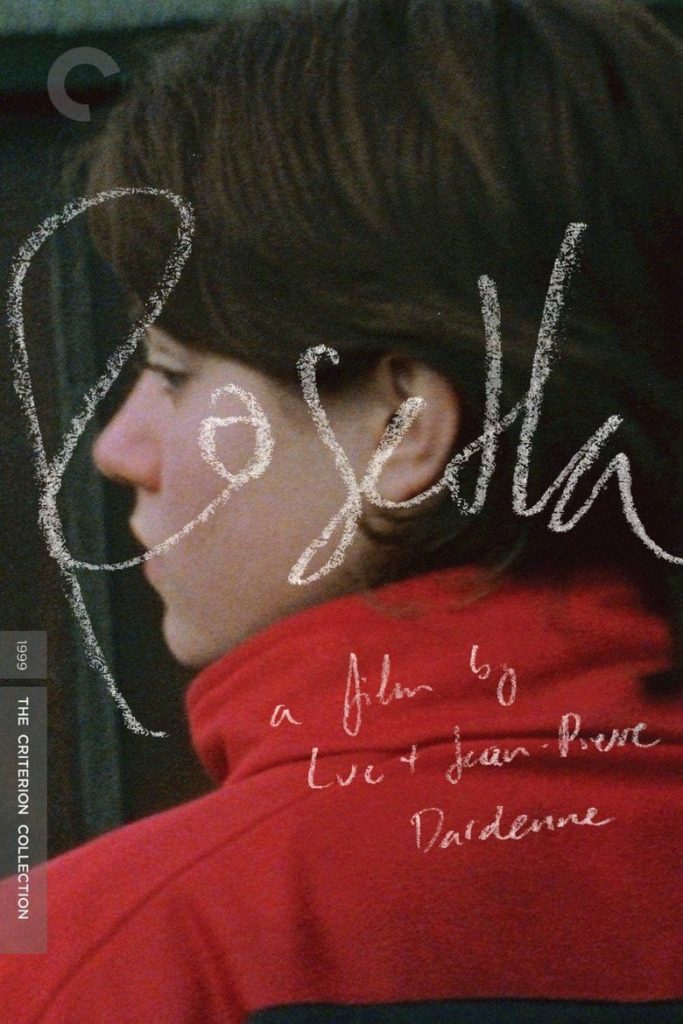
Rosetta is a 1999 drama film that follows a determined teenage girl struggling to escape poverty and find stable employment. The story portrays her daily challenges and relentless efforts to improve her difficult circumstances. It's a raw and realistic depiction of socioeconomic hardship and personal resilience.
Parent Guide
Mature drama with realistic portrayal of poverty and adult struggles. Recommended for older teenagers and adults due to intense themes.
Content breakdown
Contains tense situations and conflicts related to survival and desperation.
Realistic depictions of poverty and emotional distress may be unsettling.
May include strong language appropriate to stressful situations.
Limited sexual content, if any, given the dramatic focus.
May include social drinking or smoking in realistic contexts.
High emotional intensity throughout due to the protagonist's desperate circumstances.
Parent tips
This film contains mature themes about poverty, desperation, and adult struggles that may be too intense for younger viewers. The R rating indicates content suitable for adults and mature teenagers. Parents should preview the film to determine if its realistic portrayal of hardship is appropriate for their family.
Parent chat guide
Parent follow-up questions
- What did you notice about how the girl was feeling?
- What kind of help do people need when things are hard?
- How can we be kind to people who are having a difficult time?
- Why do you think the main character worked so hard?
- What challenges did she face in her daily life?
- How do people show determination when things are difficult?
- What support do people need when they're struggling?
- What does the film show about economic inequality?
- How does the main character's determination affect her choices?
- What realistic challenges do people face when trying to improve their situation?
- How does the film portray the importance of stability and security?
- How does the film realistically depict socioeconomic struggles?
- What does the main character's journey reveal about systemic challenges?
- How does determination function as both strength and potential limitation?
- What ethical questions does the film raise about survival and morality?
- How does the film's style contribute to its realistic portrayal of hardship?
🎭 Story Kernel
Rosetta isn't about poverty as social commentary but about the psychological disintegration caused by the basic human need for stability. The Dardenne brothers strip away sentimentality to reveal how desperation warps morality—Rosetta's betrayal of Riquet isn't evil but survival logic taken to its brutal conclusion. Every interaction becomes transactional, even friendship, because when you're fighting for the right to exist, connection becomes a luxury you can't afford. The film's genius lies in making us understand why she'd sabotage the one person who shows her kindness, revealing how systemic failure doesn't just deprive people of resources but of their very humanity.
🎬 Visual Aesthetics
The Dardenne brothers' handheld camera becomes Rosetta's nervous system—it breathes with her panic attacks, stutters with her exhaustion, and pursues her like fate itself. The persistent shoulder-level framing traps us in her physical reality, while the muted color palette (concrete grays, muddy browns) mirrors her emotional landscape. Notice how the camera rarely leaves her—even during Riquet's scenes, we're watching her watch him, making us complicit in her surveillance. The famous final shot holds on her face as she finally stops moving, not with resolution but with the terrifying realization that survival might not be worth what it costs.
🔍 Details & Easter Eggs
💡 Behind the Scenes
Émilie Dequenne won Best Actress at Cannes for her first major role, with the Dardennes deliberately casting an unknown to enhance Rosetta's outsider authenticity. The famous continuous takes were achieved through rigorous rehearsal—Dequenne performed Rosetta's frantic sprints so often she injured her knee. Belgium passed 'The Rosetta Law' banning extremely low youth wages after the film's release, proving its social impact extended beyond cinema. The trailer scenes were shot in an actual working-class neighborhood, with residents occasionally appearing unaware they were in a film.
Where to watch
Choose region:
- HBO Max
- HBO Max Amazon Channel
- Criterion Channel
Trailer
Trailer playback is unavailable in your region.