
Rurouni Kenshin: The Beginning (2021)
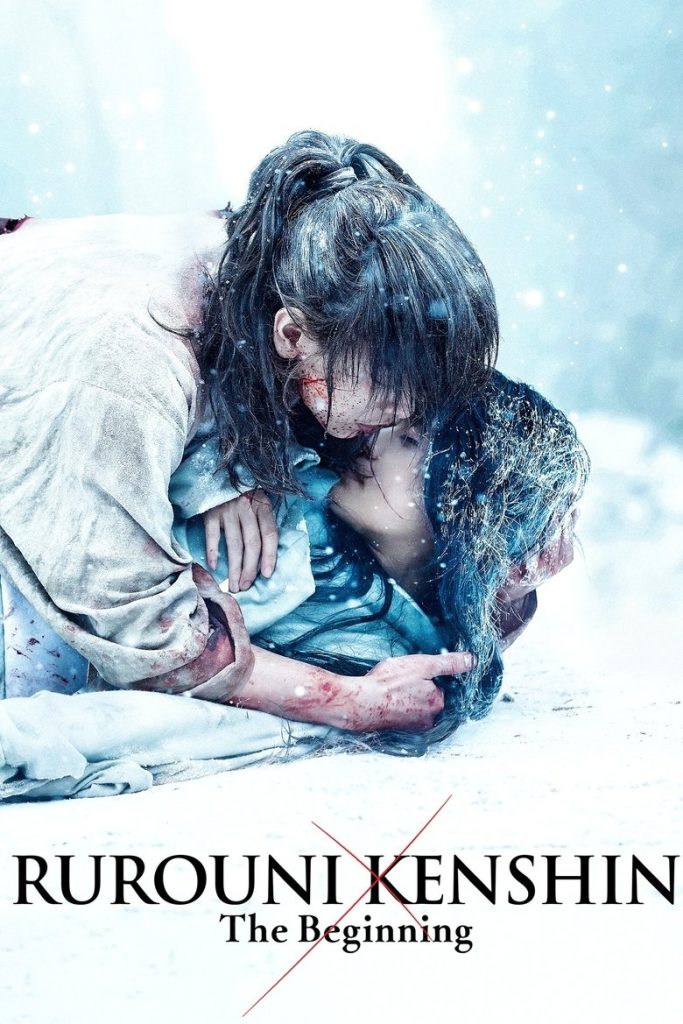
Story overview
Rurouni Kenshin: The Beginning is a 2021 action-adventure drama that explores the origins of the legendary swordsman Kenshin Himura. Set in Japan's turbulent Meiji era, the film follows Kenshin's transformation from a feared assassin to a wandering protector seeking redemption. The story blends intense sword-fighting sequences with romantic and dramatic elements, portraying his internal struggles and relationships. As a prequel, it provides crucial backstory for fans of the franchise while delivering a standalone historical narrative.
Parent Guide
This film contains intense action violence and mature themes that require viewer discretion. The TV-MA rating reflects significant combat scenes and emotional complexity that may be overwhelming for younger audiences. Parents should preview or research content to determine appropriateness for their family.
Content breakdown
Contains frequent and intense sword-fighting sequences with graphic depictions of combat. Scenes include battles, assassinations, and perilous situations typical of historical action films. Violence is central to the plot and character development.
Includes tense situations and emotional distress related to violence and moral dilemmas. Some scenes may be disturbing due to the consequences of combat and characters' traumatic experiences. The historical setting adds gravity to disturbing events.
May contain occasional strong language consistent with intense situations. No excessive or gratuitous profanity noted, but some dialogue reflects the stressful circumstances characters face.
Contains romantic elements and relationships, but no explicit sexual content. Some scenes may include mild romantic intimacy appropriate to the dramatic context.
No notable depiction of substance use or abuse. The historical setting doesn't emphasize this aspect.
High emotional stakes involving life-and-death situations, moral conflicts, and personal transformation. Characters experience grief, guilt, and intense personal relationships that drive the narrative.
Parent tips
This film is rated TV-MA, indicating it's intended for mature audiences due to its content. Parents should be aware that it contains significant violence and intense themes that may not be suitable for younger viewers. Consider the emotional maturity and sensitivity of your child before watching together, as the film deals with complex moral issues and graphic combat scenes. For families with older teens, it could serve as a discussion starter about historical context, redemption, and personal responsibility.
Parent chat guide
Parent follow-up questions
- What was your favorite part of the movie?
- How did the characters help each other?
- What makes someone a good friend?
- What did you learn about being kind?
- How did the music make you feel?
- Why do you think Kenshin wanted to change his life?
- How do people make up for mistakes they've made?
- What does it mean to protect someone?
- How did the historical setting affect the story?
- What makes a person brave?
- How does the film show the consequences of violence?
- What does redemption mean to you after watching this?
- How do historical events shape people's choices?
- What different types of strength did you see in the characters?
- How does the film balance action with emotional storytelling?
- How does the film explore the morality of using violence for protection?
- What does Kenshin's journey say about personal transformation?
- How accurate do you think the historical portrayal is, and why does that matter?
- How does the romantic subplot contribute to the main themes?
- What contemporary parallels can you draw from this historical narrative?
🎭 Story Kernel
The film explores the brutal origin of Kenshin Himura's vow never to kill again, framing it not as a moral awakening but as a psychological collapse. His transformation from the feared assassin Hitokiri Battōsai into the wandering Rurouni Kenshin is driven by profound trauma, not idealism. The core theme examines how violence begets more violence in a cyclical tragedy, with Kenshin's relationship with Tomoe serving as the catalyst that shatters his identity. Her death represents the ultimate failure of his blade—unable to protect what truly mattered—forcing him to abandon his sword's purpose entirely.
🎬 Visual Aesthetics
Director Keishi Ōtomo employs a desaturated, wintry color palette dominated by grays, blues, and stark whites, visually mirroring Kenshin's emotional numbness. The action sequences are brutally efficient rather than stylized—quick cuts and tight framing emphasize the clinical horror of assassination. Contrast this with the warm, golden hues of Kenshin's brief moments with Tomoe, creating visual islands of humanity in a sea of violence. The recurring motif of falling snow becomes both a cleansing symbol and a shroud, particularly in the climactic scene where blood and snow tragically mix.
🔍 Details & Easter Eggs
💡 Behind the Scenes
Takeru Satoh, who plays Kenshin, performed nearly all his own sword-fighting stunts after years of specialized training for the film series. The snow-covered finale was filmed during an actual heavy snowfall in Kyoto, with the crew racing against melting snow. Director Keishi Ōtomo intentionally cast relatively unknown actress Kasumi Arimura as Tomoe to emphasize her character's ordinary humanity against the legendary figure of Kenshin.
Where to watch
Choose region:
- Netflix
- Netflix Standard with Ads
Trailer
Trailer playback is unavailable in your region.