
Sacred Planet (2004)
Story overview
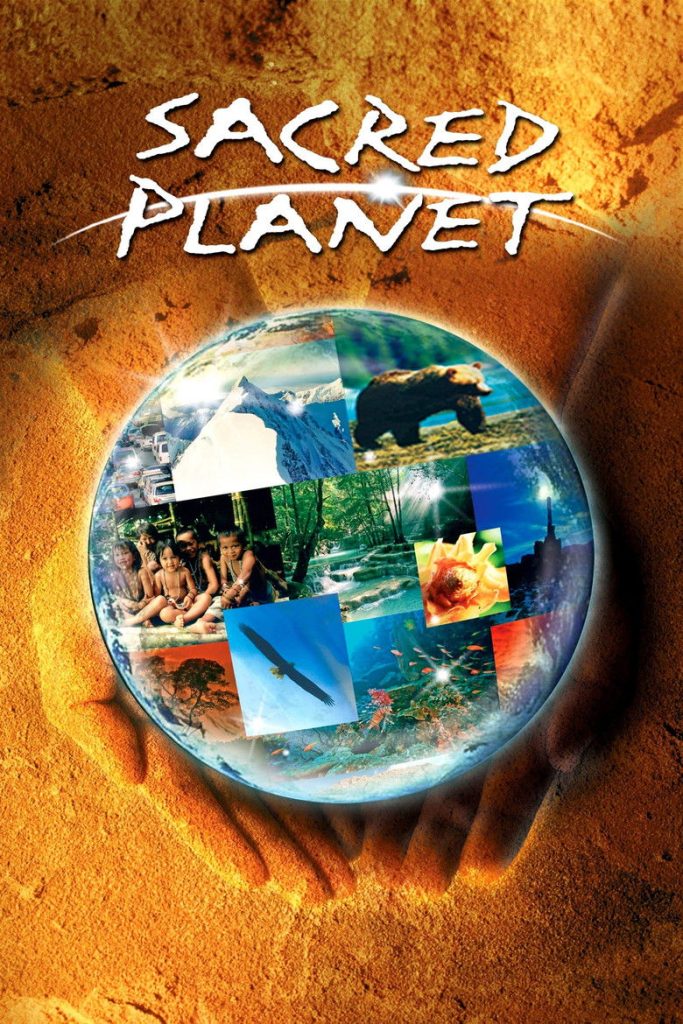
Sacred Planet is a 2004 documentary that takes viewers on a visually stunning global journey to remote and exotic locations. Through breathtaking cinematography, it showcases diverse landscapes, wildlife, and indigenous cultures, while emphasizing the wisdom of elders and the beauty of our planet. Narrated by Robert Redford, this family-friendly film offers an awe-inspiring escape from modern life, promoting appreciation for Earth's natural wonders and cultural heritage.
Parent Guide
A wholesome, educational documentary with no content concerns. Perfect for family viewing to inspire appreciation for nature and diverse cultures.
Content breakdown
No violence or peril depicted. The film focuses on peaceful landscapes and cultural practices.
Nothing scary or disturbing. Content is consistently serene and uplifting.
No offensive language. Narration is respectful and educational.
No sexual content or nudity.
No depiction of substance use.
May evoke wonder and appreciation for nature; some scenes might inspire emotional reflection on environmental themes, but it's gentle overall.
Parent tips
This G-rated documentary is excellent for family viewing, featuring no concerning content. It's educational and visually captivating, suitable for all ages. Parents can use it to discuss nature, conservation, and cultural diversity. The 48-minute runtime makes it accessible for younger viewers. Note that the original language is French, but it's likely available with English narration or subtitles.
Parent chat guide
Parent follow-up questions
- What was your favorite animal in the movie?
- Can you draw a picture of a beautiful place you saw?
- What sounds did you hear in nature?
- Why do you think it's important to protect remote places like those shown?
- How are the people in the film different from us? How are they similar?
- What did the elders teach about caring for the planet?
- How does the film's cinematography help tell its story?
- What challenges might these remote communities face?
- How can we apply the wisdom of elders in our own lives?
- Analyze the film's effectiveness in promoting environmental awareness.
- Discuss the balance between preserving traditions and modern development.
- How does the film contrast 'sacred' natural spaces with urban environments?
🎭 Story Kernel
The film is not a traditional narrative but a cinematic meditation on the intrinsic value of Earth's remaining wild places and indigenous cultures. It expresses a profound, non-anthropocentric worldview, arguing that nature possesses a sacredness and wisdom that modern civilization has forgotten. The 'characters' are the landscapes, animals, and people themselves, driven by the fundamental forces of survival, tradition, and harmony with their environment. The core theme is a plea for recognition—that these ecosystems and cultures are not resources to be managed but living libraries of planetary knowledge and spiritual balance, whose loss represents an irreversible impoverishment of the human soul and the biosphere.
🎬 Visual Aesthetics
The cinematography is the film's primary language, employing sweeping aerial shots and intimate macro photography to create a God's-eye-view that is both majestic and personal. The color palette is intensely naturalistic, saturated with the deep greens of rainforests, the stark whites of Arctic ice, and the rich ochres of deserts, emphasizing the planet's unadorned beauty. The 'action' is the rhythm of nature itself—the slow growth of a tree, the patient hunt of a predator, the ceremonial dance of a tribe. Symbolism is direct yet powerful: ancient trees represent timeless wisdom, flowing water signifies continuity, and the human gaze, often filmed in extreme close-up, becomes a mirror reflecting our own connection or disconnection from this sacred world.
🔍 Details & Easter Eggs
💡 Behind the Scenes
Narrated by Robert Redford, whose calm, authoritative voice was chosen to lend the film a sense of gravitas and trustworthy stewardship. It was shot on location across diverse and often remote biomes including the rainforests of Borneo, the deserts of Namibia, the underwater reefs of Papua New Guinea, and the Arctic tundra. The production faced significant logistical challenges, requiring crews to live for extended periods with the indigenous communities featured to gain trust and capture authentic, unhurried moments of daily life and ritual, rather than staged performances.
Where to watch
Choose region:
- Disney Plus
- Amazon Video
- Apple TV Store
- Google Play Movies
- YouTube
- Fandango At Home