
San Francisco 2.0 (2015)
Story overview
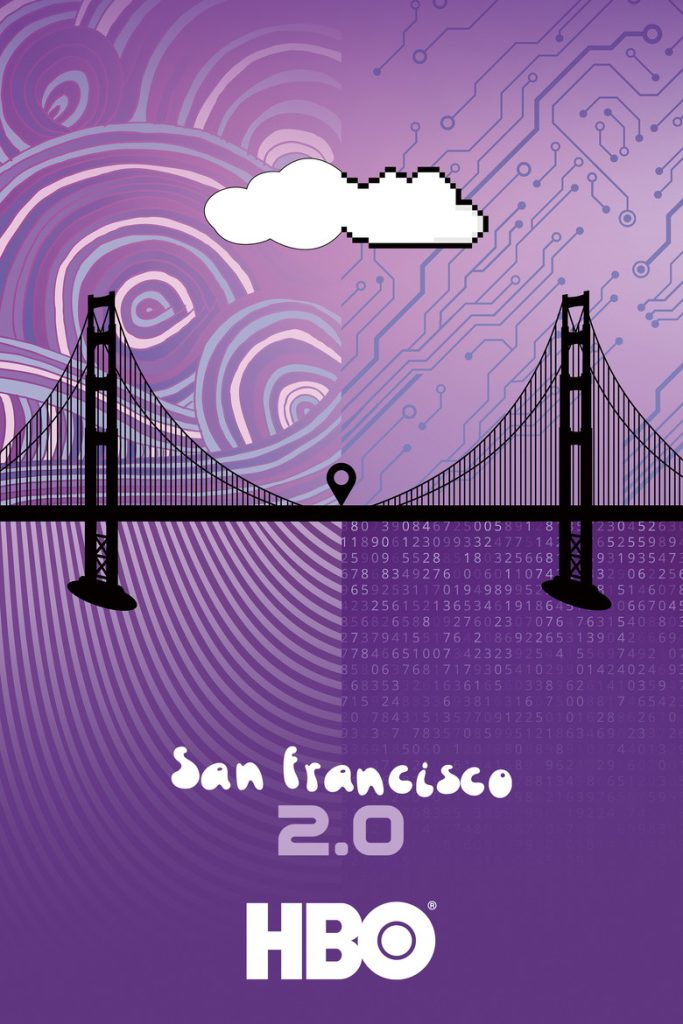
This documentary explores San Francisco's transformation from a counterculture hub to a tech-driven city, examining how the influx of tech wealth and innovation impacts its cultural identity and community dynamics.
Parent Guide
A thoughtful documentary about urban transformation suitable for older children interested in cities, technology, or social change.
Content breakdown
No violence or peril depicted.
No scary or disturbing content; focuses on urban change.
No offensive language noted.
No sexual content or nudity.
No substance use depicted.
Mild emotional intensity from discussions of community change and displacement.
Parent tips
This documentary discusses urban change and economic shifts without explicit content. It's suitable for children who can understand discussions about cities and technology, but younger viewers might find the topic abstract.
Parent chat guide
Parent follow-up questions
—
- What do you think makes a city special?
- Have you seen new buildings or technology in our town?
- How might technology companies changing a city affect people who live there?
- What does 'counterculture' mean to you?
- Do you think technological progress inevitably changes a city's character? Why or why not?
- How should cities manage the tension between economic growth and cultural preservation?
🎭 Story Kernel
At its core, San Francisco 2.0 explores the psychological cost of technological utopianism through protagonist Leo's journey. The film isn't about saving a city from a digital apocalypse—it's about a man trying to save his memories from being overwritten by the very system he helped build. The driving force isn't heroism but desperation, as Leo realizes the 'upgraded' city has erased not just glitches but human imperfections, including his late wife's digital ghost. The climax reveals the true horror: the system's perfection requires deleting anything that doesn't fit its algorithm, making grief itself a bug to be fixed.
🎬 Visual Aesthetics
The film employs a stark visual dichotomy between the 'old' San Francisco's warm, grainy flashbacks shot on 16mm with golden-hour lighting, and the sterile, hyper-saturated digital world rendered in unnerving CGI clarity. Director Chen uses Dutch angles during glitch sequences to create disorientation, while the city's 'reboot' scenes feature symmetrical compositions that feel increasingly oppressive. The most striking choice is the gradual desaturation of colors as characters become more integrated with the system—their humanity literally fading into monochrome. Action sequences feel deliberately weightless, emphasizing the simulation's artificiality.
🔍 Details & Easter Eggs
💡 Behind the Scenes
The film's unique visual style emerged from necessity when the production lost access to San Francisco locations due to permit issues, forcing the team to shoot plate photography in Vancouver and Seoul before digital reconstruction. Lead actor Michael B. Jordan performed all his own parkour sequences despite the VFX-heavy environment, insisting physical exhaustion helped portray digital disorientation. The glitch sound design incorporates actual corrupted data from the 2017 GitHub archive incident, giving the digital decay authentic texture.
Where to watch
Choose region:
- HBO Max
- HBO Max Amazon Channel
- Amazon Video
- Apple TV Store
- Google Play Movies
- YouTube
- Fandango At Home
Trailer
Trailer playback is unavailable in your region.