
Sattar (2022)
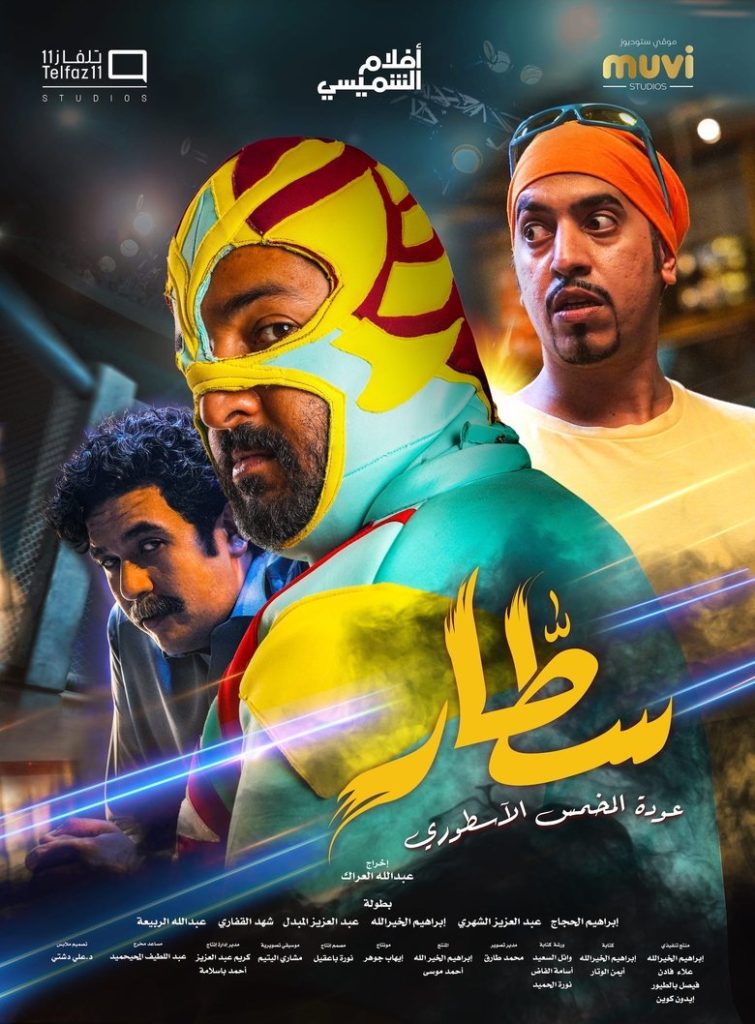
Story overview
Sattar is a 2022 Saudi Arabian comedy-action film about Saad, a man struggling in his career and personal life who decides to pursue his childhood dream of becoming a freestyle wrestler. After posting a video of his unsuccessful audition that goes viral, he connects with a wrestling manager and a Pakistani coach who help him navigate the wrestling world. The film blends humor with themes of perseverance and chasing dreams.
Parent Guide
A lighthearted comedy about pursuing dreams with mild wrestling action and positive messages about perseverance. Suitable for most families with children 8 and older.
Content breakdown
Comedic wrestling scenes with exaggerated moves, slaps, and falls. No blood or serious injuries shown. The violence is cartoonish and played for laughs.
No scary or disturbing content. The tone remains comedic throughout.
No profanity or strong language. Dialogue is family-appropriate.
No sexual content or nudity. Characters are dressed appropriately in wrestling or casual attire.
No depiction of alcohol, drugs, or tobacco use.
Some scenes show Saad's frustration and embarrassment, but these are balanced with humor. The overall emotional tone is light and uplifting.
Parent tips
This film contains wrestling scenes with physical comedy and mild action violence. While there's no graphic content, younger children might find some wrestling moves intense. The humor is generally family-friendly, focusing on Saad's awkward attempts at wrestling. No strong language, sexual content, or substance use is present. Best for children ages 8+ who can understand the comedic context of the wrestling scenes.
Parent chat guide
Parent follow-up questions
- Did you think the wrestling was funny?
- What was your favorite part of the movie?
- How did the friends help Saad?
- Why do you think Saad wanted to be a wrestler even though he kept failing?
- What did Saad learn from his coach?
- How did posting the video change things for Saad?
- What does this film say about pursuing dreams despite setbacks?
- How does the movie balance comedy with the serious theme of chasing goals?
- What cultural elements did you notice in the wrestling world shown?
- How does the film portray masculinity and vulnerability through Saad's journey?
- What commentary might the film be making about social media and viral content?
- How does the cross-cultural coaching relationship add depth to the story?
🎭 Story Kernel
At its core, 'Sattar' is a raw examination of desperation as a transformative force. The film posits that when societal safety nets fail completely, a person's moral compass doesn't just bend—it shatters and reforms into something unrecognizable. The protagonist isn't driven by greed or ambition, but by the primal, suffocating need to provide basic survival for his family. His journey into vigilantism isn't a choice of heroism, but a surrender to the only currency left in his bankrupt world: violence. The movie's real tension isn't in the fights, but in watching a good man systematically dismantle his own soul, piece by piece, because love demands it. It asks a brutal question: what is the true cost of a meal, a roof, or medicine when you have nothing left to pay with?
🎬 Visual Aesthetics
The film employs a gritty, desaturated color palette, bathing Karachi's underbelly in hues of concrete gray and sickly yellow neon, visually mirroring the protagonist's drained hope. Cinematography is intimate and shaky, often using tight close-ups that trap the viewer in Sattar's claustrophobic panic. The action is brutally utilitarian—no stylized choreography here. Every punch is clumsy, exhausting, and messy, emphasizing that this violence is a new, ugly language he's struggling to learn. Key symbolic visuals include recurring shots of caged birds in the background of his home, a silent metaphor for his own trapped existence, and the deliberate contrast between the cold, sterile lighting of the hospital where his wife suffers and the warm, chaotic glow of the streets where he fights to pay her bills.
🔍 Details & Easter Eggs
💡 Behind the Scenes
Actor Ahmed Ali Akbar, who plays Sattar, reportedly lost a significant amount of weight and trained in basic street-fighting techniques to authentically portray the character's physical and emotional depletion. Key chase sequences were filmed guerrilla-style in the actual crowded markets of Karachi, using hidden cameras to capture genuine reactions from the public, which adds to the film's palpable sense of chaotic realism. The script underwent several revisions to ground the vigilante premise, with writers spending time with residents in low-income neighborhoods to understand the specific anxieties and pressures that could drive an ordinary person to such extremes.
Where to watch
Choose region:
- Netflix
- Netflix Standard with Ads